
Journal
How is Makar Sankranti Celebrated in Different States in India?
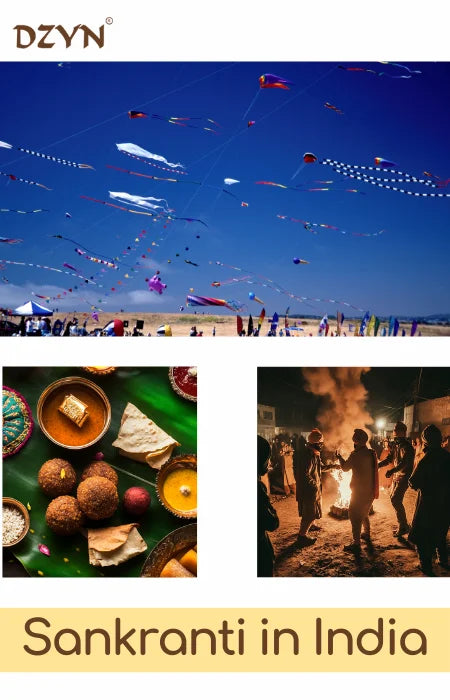
India is a country that celebrates a festival to tie all people together. One festival that comes into many people's hearts is Makar Sankranti, celebrated widely across India. Makar Sankranti celebrations in India bring prosperity and happiness, as well as calmness in the mind. It is basically one of those festivals that is celebrated in mid-January.
It shows the transition point where the Sun moves to the zodiac sign Capricorn (Makar), which signifies the end of the winter and the beginning of harvest seasons. It is celebrated all over India in different forms, ways and names. Also, this festival has great cultural significance. Each state of India has its unique ways of worshipping this auspicious occasion. Because of this, Makar Sankranti is a colorful and exciting celebration of harvest, beginnings, and prosperity.

Are you wondering how you can celebrate Makar Sankranti in different states of India? Well, let’s read it here but before that, we should also know what its spiritual significance is:
What is the Spiritual Significance of Makar Sankranti?
Sankranti has deep spiritual significance in India, primarily for Hindus. It is believed that on this day the Sun starts its journey towards the northern hemisphere which has been termed as Uttarayana.
Hindu scriptures say that this is a very auspicious period for making prayers, starting new things, holy dips in sacred rivers and rituals. This journey is believed to bring light, strength, and positive energy to the world.
Thus, we cannot ignore its spiritual significance which connects people to its culture, tradition and roots. This spiritual meaning also signifies the beginning of a fresh life again, after the end of the chilly months of winter. This is why we could see people from all over the states celebrating Sankranti in India.
Common Culture and Rituals of Makar Sankranti
Though Makar Sankranti in different states of India is celebrated with varying customs and traditions, it remains a festival that brings people together. There are so many customs that are common in all these states and these are mentioned here:
- Kite flying – No matter which state it is, the sky will be filled with colourful kites during the day in Sankranti.
- There will be a celebration of harvesting of crops such as new paddy.
- People in all states celebrate with folk songs and dances around bonfires.
- They exchange food made with jaggery and sesame seeds (til).
- Along with this, people during Sankranti in India bathe in holy rivers such as the Ganga, Yamuna, Godavari, Krishna, and Kaveri.
They offer special prayers for success and prosperity to the Sun god.
How it is Celebrated - Makar Sankranti Celebration in India
This is a Pan India celebration that is celebrated between 14 and 17 January in different states. Interestingly, this festival has different names in different states such as Khichdi, Maghi, Magh Bihu, and many more.
1. Makar Sankranti in Gujarat
People of Gujarat celebrate Makar Sankranti as Uttarayan with their relatives, friends and family. Uttarayan is a lovely festival and is also celebrated as a kite festival. So, in Sankranti, you will see the skies of Gujarat filled with kites of all shapes and sizes. The kite flying makes the sky bright, and beautiful. This day, everyone from children to adults flies kites so that they can all compete against one another.

- The festival Sankranti in India is marked by special dishes like Undhiyu, a mixed vegetable curry. Friends and family also exchange Tilgul, a sweet made from jaggery.
- This festival symbolizes gratitude for the harvest and a hopeful upcoming agricultural year.
- On Sankranti, people also visit temples and perform rituals for better health, and prosperity.
- Also, Makar Sankranti in some parts of Gujarat is closely linked with farming.
2. Makar Sankranti in Maharashtra
Makar Sankranti festival is also popular in Maharashtra. In this state, it is celebrated just like in other states. The people of Maharashtra celebrate the Sankranti festival by greeting each other. They also say Tilgul ghya, god god bola. This means- Take the sesame and jaggery and speak sweet words to others.

In Maharashtra, it is customary to exchange tilgul sweets with loved ones. Along with this, this tradition signifies peace, unity, and harmony among people. The festival, especially in Mumbai and Pune, is often combined with kite-flying activities. People of all ages take part in kite flying competitions which fill the sky with wonderful colors.
- People enjoy finger-licking good traditional food like Puran Poli and Til Laddus.
- The important celebrations include the feel of kite flying, but another interesting celebration is "Haldi Kumkum", which people also celebrate during Makar Sankranti. In this, women exchange turmeric and kumkum as a sign of good fortune.
3. Makar Sankranti in Punjab
In Punjab, Sankranti marks the end of winter and the beginning of the harvest season. They celebrate it with the harvest of sugarcane, and rabi crops like mustard and wheat. The celebration is incomplete without bonfires, folk songs, and dance forms known as Bhangra and Gidda.
The family gathers around a large bonfire and prays to the god of fire, and offers popcorn, sesame seeds, jaggery and sugarcane. They put everything into the flames as offerings. Also, people dance around the fire and sing their traditional harvest songs which fills the atmosphere with joy and excitement.
- In Punjab, Makar Sankranti is celebrated with more rituals and prayers.
- Also, people like to exchange special sweets like Rewari and Gajak.
4. Makar Sankranti in Tamil Nadu
Makar Sankranti festival in India is celebrated with great enthusiasm, especially in Tamil Nadu. Here, Makar Sankranti is celebrated as Pongal, a word which most people are familiar with. The festival occurs once a year and it is a four-day grand event. Pongal falls on January 13 and ends on 16th January.
- Bhogi is the first day of Pongal, and this is the day when the people worship the god of rain, who is Lord Indra. He has blessed them with a good harvest.
- The second day, called Thai Pongal which is the main festivity, involves preparing the traditional Pongal dish from fresh harvest which will consist of rice, jaggery, and milk. This preparation of cooking will take place outdoors in open pots to be offered to the Sun for thanksgiving for the successful harvest.
- The festival on the third day is dedicated to animals like cows and bulls. It is called Mattu Pongal. Jallikattu is a sport that is conducted in the traditional method; animals are also dressed with garlands for Sankranti celebrations in India.
- Kaanum Pongal is the fourth day of the Tamil Nadu Makar Sankranti festival and signifies gathering with family. Therefore, people are out on picnics with family or friends. Relatives and friends visit home and exchange gifts.
5. Makar Sankranti in Bihar and Uttar Pradesh
Sankranti is also celebrated in its own way in Uttar Pradesh and Bihar. Makar Sankranti acts like a festival of oneness and goodwill in both of these states, Uttar Pradesh and Bihar. It is normally referred to as Khichdi since khichdi is the main dish cooked and eaten on this day. It is a mixture of rice and lentils, vegetables, and ghee. People believe that eating khichdi brings good luck.
- In both these states, people start the day by taking dips in the sacred rivers like the Ganga, Yamuna, and Saryu. By doing so, they will cleanse their sins and bring blessings for the coming year.
- In addition to this, farmers perform rituals for a prosperous harvest. This is why, the Indian festival Sankranti is marked by the joyous spirit of the community who come together to celebrate this success.
- Makar Sankranti is a time for agricultural celebrations in rural areas of Uttar Pradesh and Bihar.
6. Makar Sankranti in West Bengal
The people of West Bengal also celebrate Sankranti in different ways. How do they celebrate it in West Bengal? Makar Sankranti in West Bengal is popularly known as Poush Sankranti. In this state, this festival indicates purity by keeping it very simple. Bengali families traditionally make different sweets at home. These dishes include the well-known Pithe which are rice flour cakes with fillings of jaggery and coconut.
- These sweets are exchanged with friends, families, and neighbours for celebration.
- The Indian festival Sankranti serves as a way for farmers to pray for a good yield in the farms.
- Also, people visit temples and perform puja by taking baths in the sacred rivers. They also perform it under ceremonial lamps.
- In rural Bengal, Makar Sankranti is celebrated with community fairs where people engage in cultural activities like traditional folk music and dance.
7. Makar Sankranti in Rajasthan
People of Rajasthan celebrate Makar Sankranti and call it the Kite Festival. Jaipur, Jodhpur, and Udaipur, celebrate kite flying as a big competition. On this day, the sky is filled with colorful kites, and people enjoy kite fighting by using sharp threads to cut down each other's kites.

- On Sankranti in Rajasthan, people give each other traditional sweets.
- Ghevar is the main sweet shaped like a honeycomb. People also eat Til Laddus which are made of sesame and jaggery.
- The festival becomes lively and bustling with community activities that include traditional music, and dance performances.
A Festival of India - Sankranti
So, this is how the Makar Sankranti celebration in India goes on. Makar Sankranti is above all the boundaries in the world and beyond cultures. Flying kites at Gujarat, and dancing around bonfires in Punjab begin as prayer is offered to the Lord. No matter what part of India it is, Makar Sankranti is celebrated with complete zeal.
This festival speaks about family, thanksgiving, and the closer ties of kinship. That's why it is a time of fellowship, of forgetting old grudges, of bringing out the best in people, and of wishing each other well.
Keep reading
More from the journal

Why Choose Wooden Cafe Chairs?
Wooden cafe chairs blend timeless style, durability, and comfort—perfect for creating a warm, inviting ambiance. With...

How to Select an Office Chair
Choosing the right office chair is essential for comfort and health. This guide covers chair types,...
Is It OK to Buy a Second-Hand Temple for the Home?
A temple at home is a sacred space where we seek peace and strength. According to...
Choosing your first mandir?
Tell us about your home and we will help you pick the size, design and finish.