



















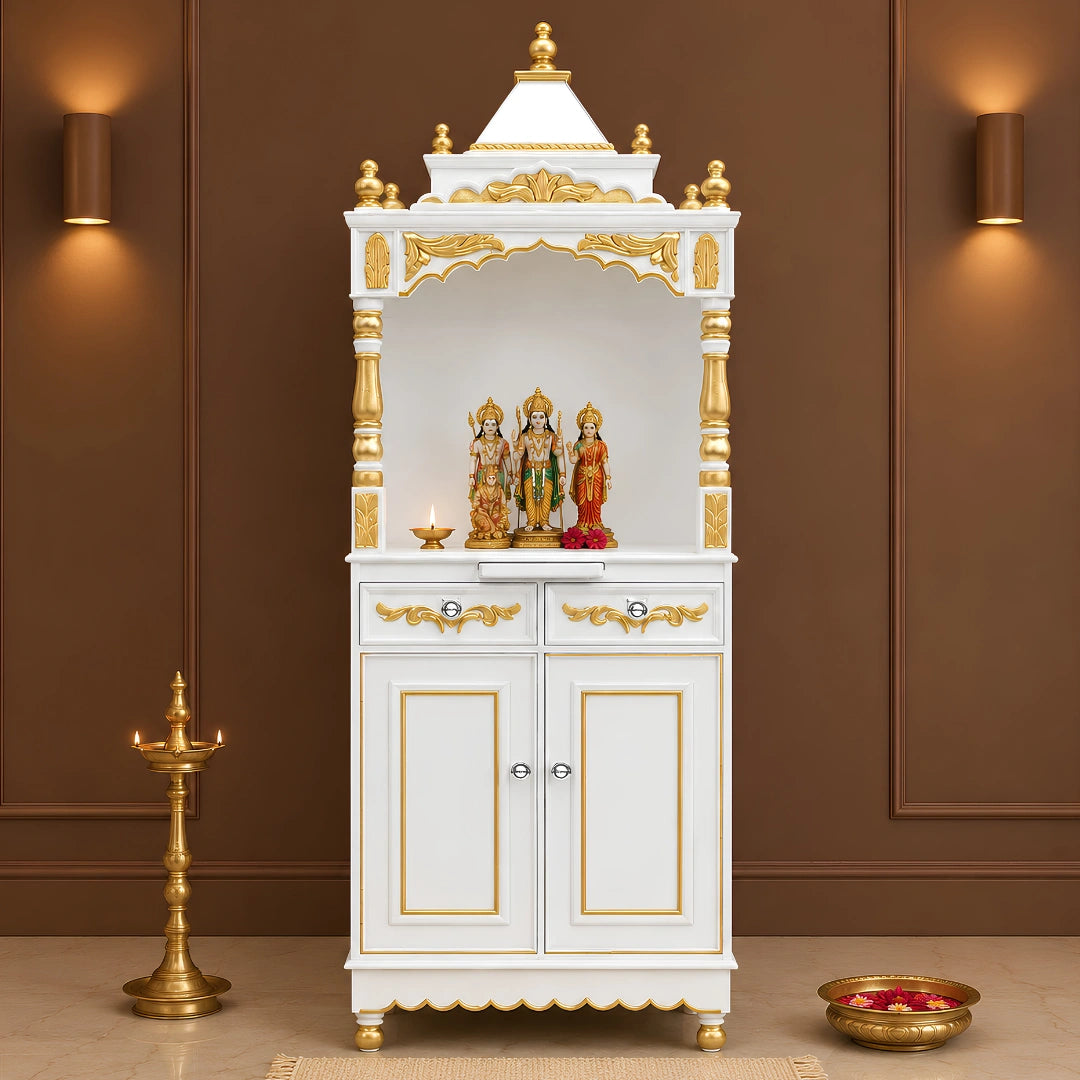

Solid wood furniture
Solid Wood Teak Furniture for Daily Use
What solid wood really is, how the Indian furniture woods compare, how a plank becomes an heirloom, and how to tell the real thing from veneer and board.
- 1 timberThrough the whole thickness
- 50+ yearsLifespan with light care
- RefinishInstead of replace
- ZeroChipboard cores

What “solid wood” actually means
Solid wood is timber cut straight from the tree — one natural material through the entire thickness of every part. There's no core of compressed fibre, no thin wood skin glued over board. What you see on the surface is what's inside.
The best furniture uses heartwood, the dense, mature centre of the trunk. It's richer in colour, naturally more resistant to insects and moisture, and far more stable than the paler sapwood around it.
Because it's a single natural material, solid wood can be sanded, repaired and refinished again and again. That's why a well-made solid wood piece doesn't wear out — it wears in.
The woods of Indian furniture
Four solid woods, honestly compared
All four are real solid woods. They differ in density, natural oils, stability — and how long they'll last in an Indian home.
100% Teak
Dense, oil-rich and famously stable. Resists water, rot and termites, and ages to a warm honey-gold. The wood of temples and ships for centuries.
Sheesham
Strong and beautiful, with bold dark streaks. More affordable than teak, but moves more with humidity and needs regular care.
Mango wood
A sustainable, softer hardwood with lively grain. Budget-friendly, but less resistant to moisture and insects without treatment.
Acacia
Hard and dense with a rich grain. Good value, though it can crack or check if it isn't dried and finished carefully.
| Teak | Sheesham | Mango | Acacia | |
|---|---|---|---|---|
| Durability | Exceptional | High | Moderate | High |
| Water & insects | Naturally resistant (oils) | Moderate | Low without treatment | Moderate |
| Stability | Very stable | Moves with humidity | Moderate | Can crack if poorly dried |
| Look | Even golden-brown | Dark, bold streaks | Light, lively grain | Rich, varied grain |
| Care needed | Low | Regular oiling | Regular sealing | Moderate |
| Relative price | Premium | Mid | Budget | Mid |
From plank to heirloom
How solid wood becomes furniture
-
1
Select & season
Mature heartwood is chosen and seasoned until its moisture settles, so it won't warp later.
-
2
Cut & join
Parts are cut and joined with traditional joinery that grips tighter than nails or glue alone.
-
3
Carve & sand
Details are carved and every surface sanded by hand, following the grain.
-
4
Finish & cure
Polish is hand-applied in coats and left to cure, sealing the wood and deepening its colour.
Solid wood vs the rest
What you're really paying for
| Solid wood | Veneer over board | Engineered board | |
|---|---|---|---|
| What it is | One natural timber throughout | Thin wood skin on MDF / ply | Compressed fibre and glue |
| Strength | Very high — joints hold for decades | Moderate | Low; sags under load |
| Water & humidity | Teak resists naturally | Edges lift and swell | Swells and crumbles |
| Repair | Sand, refinish, re-polish | Hard once chipped | Usually replaced |
| Lifespan | Generations | 5–10 years | A few years |
| Value over time | Holds and grows | Falls | Falls fast |
Solid wood questions
Answered, plainly
Is solid wood always better than engineered wood?
For furniture meant to last, yes — it's stronger, repairable and far longer-lived. Engineered board is cheaper, but swells with moisture and can't be refinished.
Why is teak considered the best furniture wood?
Its natural oils and silica resist water, rot and termites, it barely warps, and it ages beautifully — which is why it's been used for temples and ships for centuries.
Does solid wood crack in dry or humid weather?
Well-seasoned teak is very stable. Keep it away from damp walls and all-day direct sun, and avoid placing it right beside heaters or AC vents.
How do I care for solid wood?
Dust weekly along the grain, wipe spills immediately, and wax or oil once or twice a year. Avoid harsh chemical cleaners.
Can scratches on solid wood be repaired?
Yes — light scratches can be buffed out, and deeper marks sanded and refinished, because the same wood runs all the way through.
Is all furniture on the website in solid wood?
Yes. This website is for units that use premium solid wood in the structure. We do not mix chipboard as the core in these units.
Is solid wood furniture safe for homes with kids and elders?
Solid wood is steady and does not shift easily. We still suggest basic care like not climbing on units, using safety locks where needed and keeping sharp corners in mind.
What wood does DZYN use?
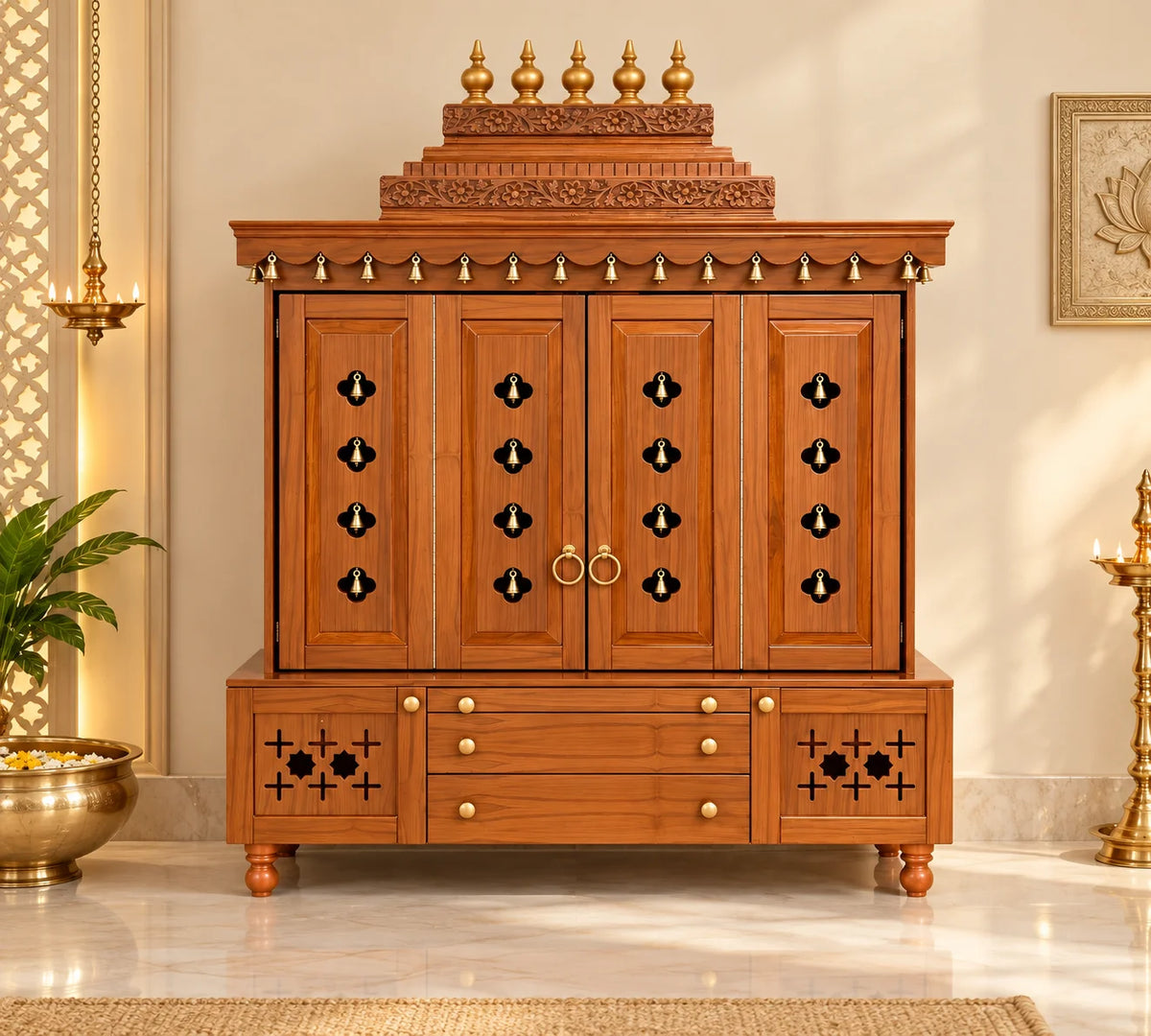
Solid teak for the structure of every piece, and 100% teak for every mandir. We do not use chipboard as the core.
Shop by category
Shop solid wood teak furniture by category
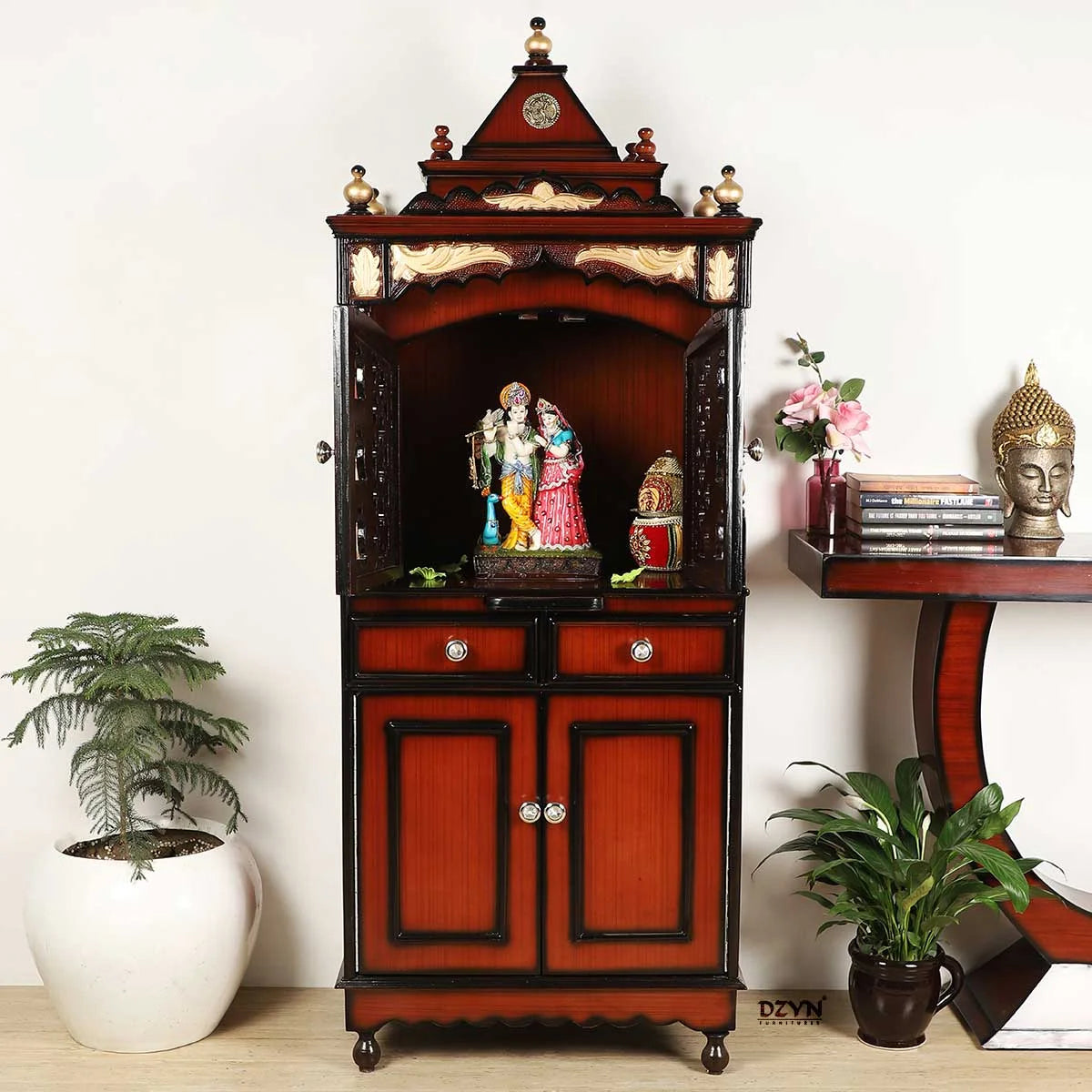

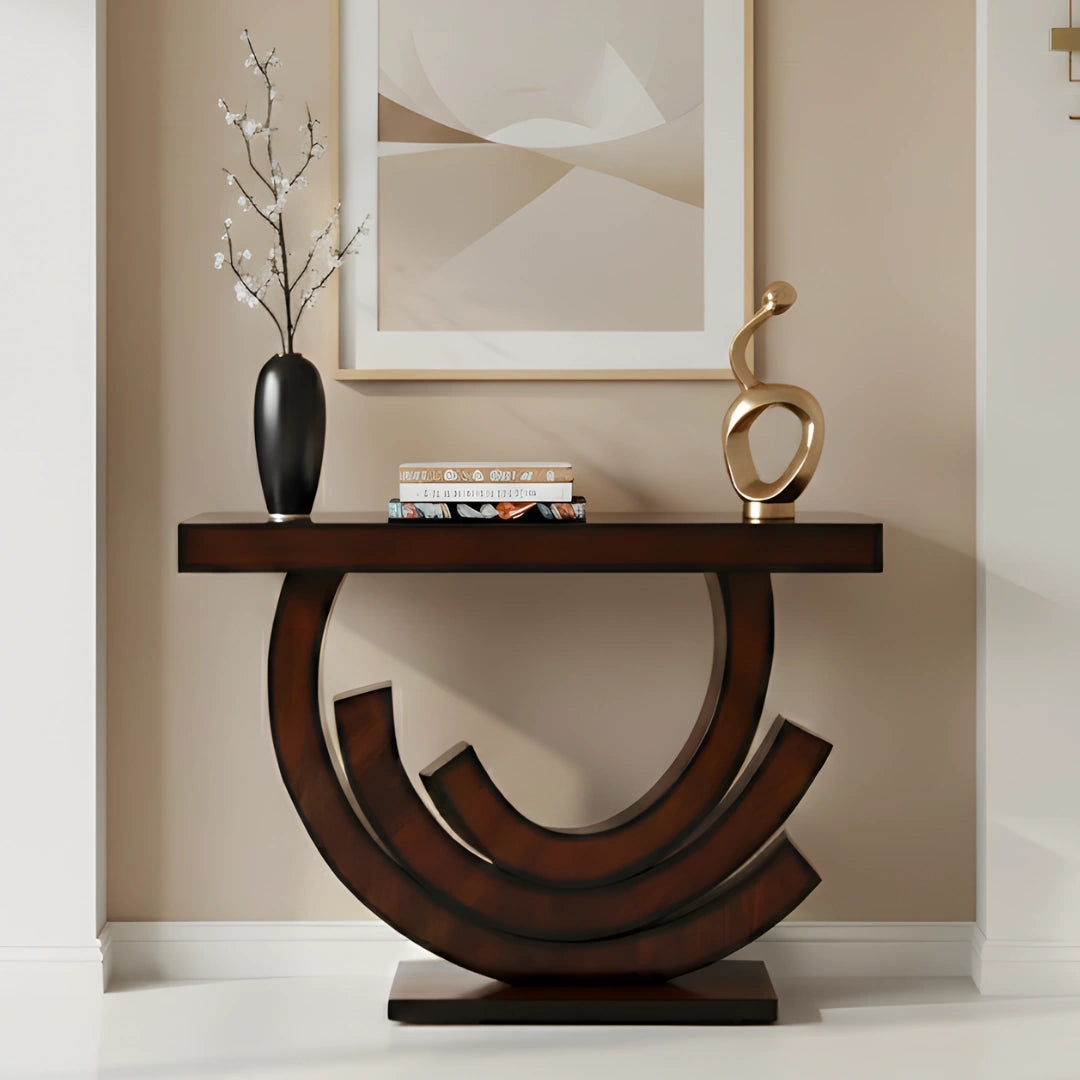


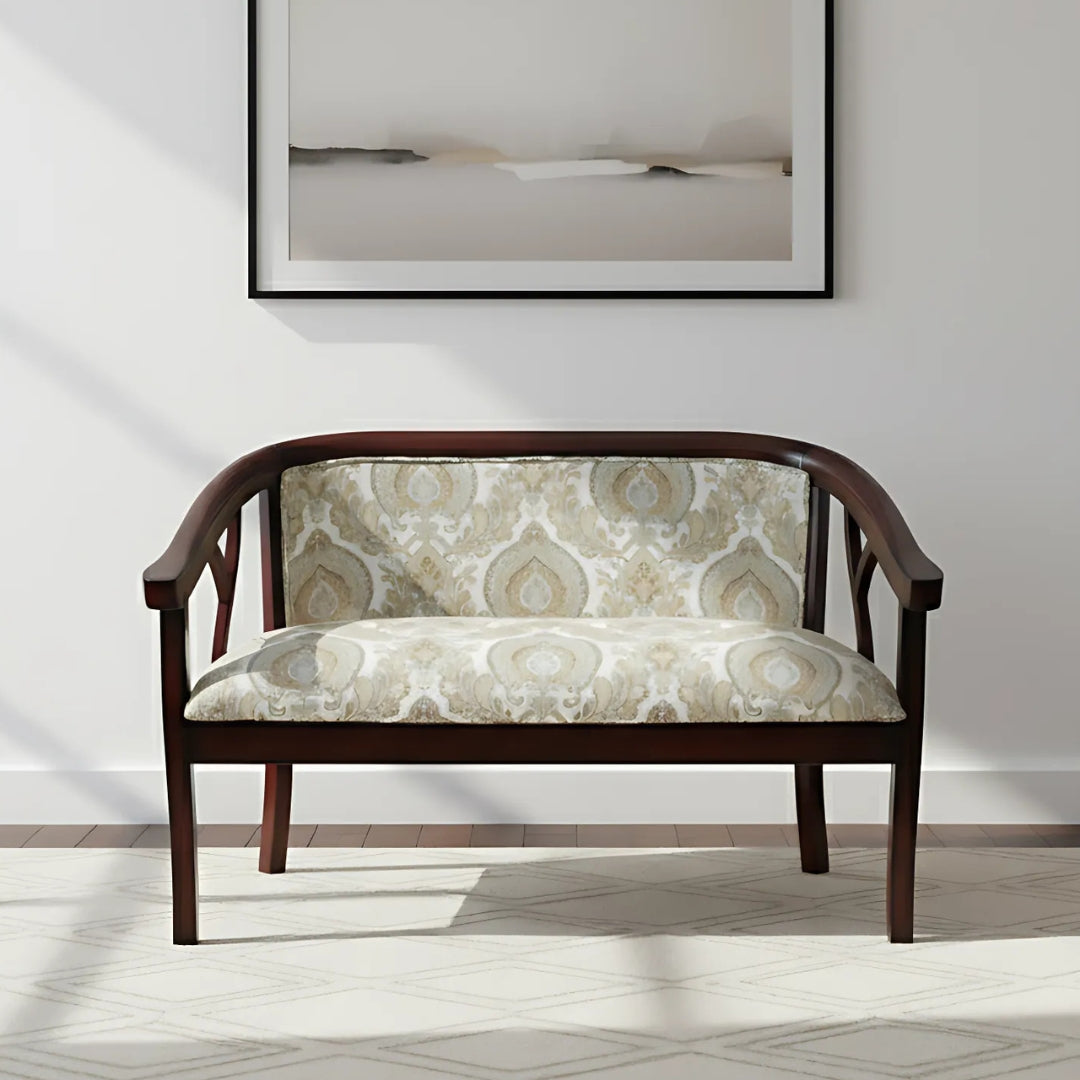
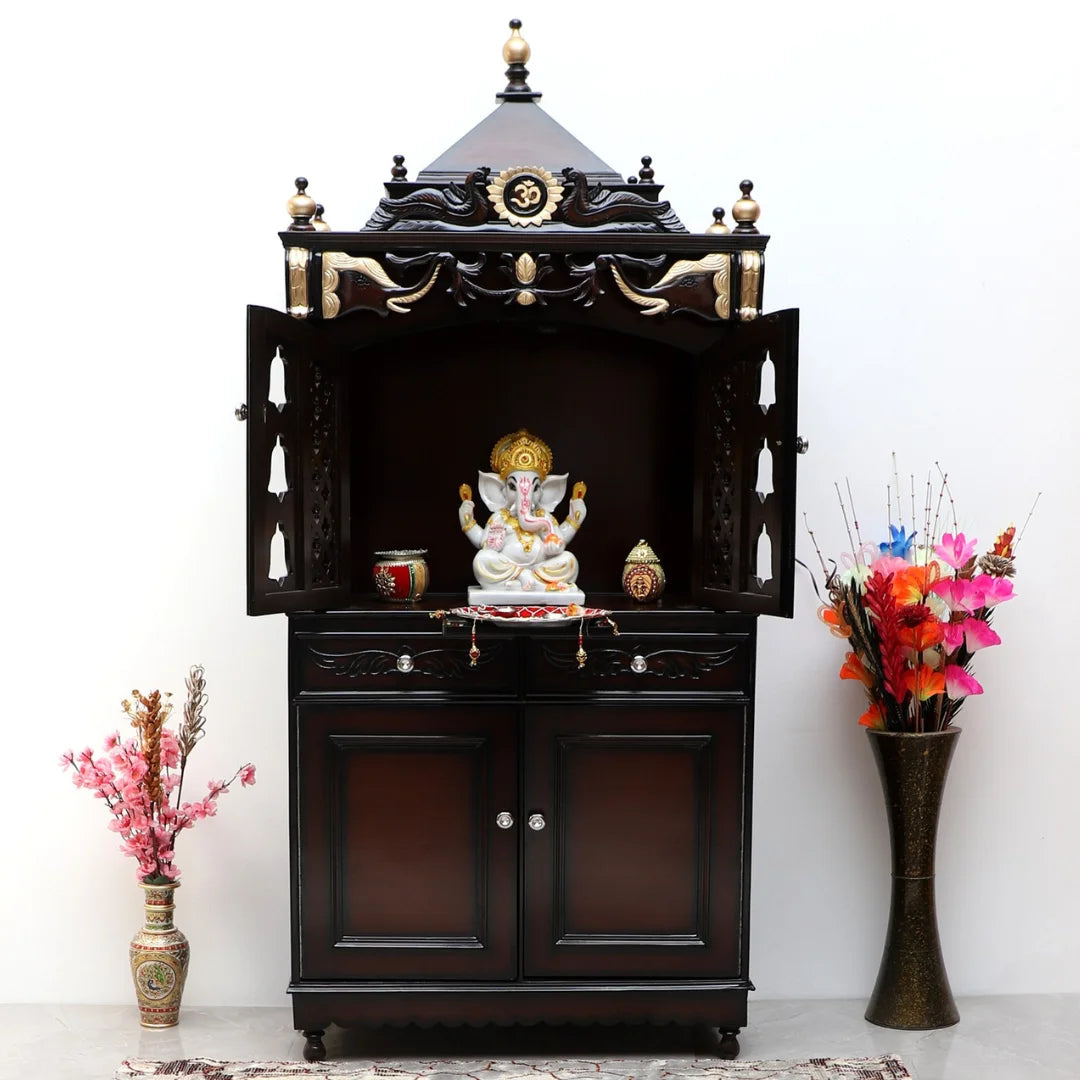
Solid wood mandirs
Solid wood mandir collections


See the grain for yourself
Book a video call and we'll show you solid teak up close in our Sonipat workshop.