
Gopuram Pooja Mandir for Home – South Indian Temple Designs
Explore pooja room gopuram designs inspired by the tiered architecture seen in traditional South Indian temples. This collection brings together wooden mandirs with distinctive upper structures, detailed craftsmanship and practical…
91 products

Filters
Sort by


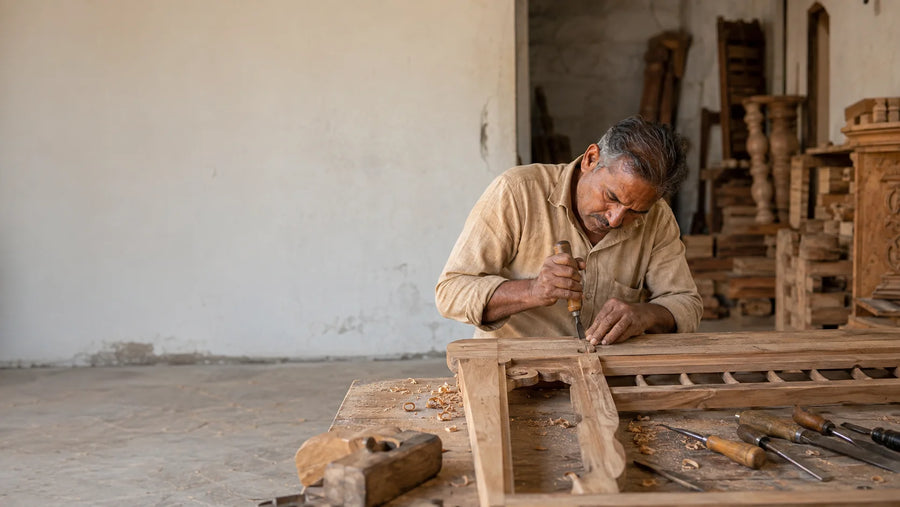
 From the workshopHandcrafted with CareHand-finished by experienced craftsmen.

 From the workshopHandcrafted with CareHand-finished by experienced craftsmen.


Showing 48 of 91
Gopuram Pooja Mandir for Home – South Indian Temple Designs
Explore pooja room gopuram designs inspired by the tiered architecture seen in traditional South Indian temples. This collection brings together wooden mandirs with distinctive upper structures, detailed craftsmanship and practical layouts suited to everyday worship at home.
A gopuram mandir can be a suitable choice when you want the prayer area to have a more defined temple-inspired appearance. Different designs vary in overall size, carving details, doors, storage arrangements and altar space, making it easier to choose according to the room available in your home.
Whether you are planning a dedicated pooja room gopuram setup or looking for a South Indian mandir for home, compare the dimensions and functional features of each design before selecting the right model for your space.
What Makes a Gopuram Mandir Different?
A gopuram is one of the most recognisable architectural elements associated with traditional South Indian temples. In large temple complexes, the term generally refers to the elaborately structured entrance tower. In a home mandir, this architectural language is adapted on a smaller scale through tiered upper sections, carved details and a strong vertical form.
This makes a gopuram mandir visually different from a simple flat-top wooden temple or a mandir with a comparatively minimal crown.
Homeowners searching for a South Indian temple design for home often prefer this style because it gives the prayer area a more traditional architectural identity without requiring the scale of a complete temple structure.
The exact interpretation differs from one mandir to another. Some designs have a prominent stepped upper section, while others use comparatively restrained detailing along with pillars, carvings, sacred motifs or decorative panels.
Explore Different Pooja Room Gopuram Designs
There is no single design that works for every home. The right choice depends on the available space, the number of idols you intend to place and how detailed you want the mandir to appear.
Some pooja room gopuram designs focus on a tall and clearly defined upper structure, while others combine the gopuram form with an open altar, doors, drawers or cabinets.
When comparing pooja mandir gopuram designs, look beyond the top structure alone. The proportion between the gopuram, deity platform, side sections and lower storage determines how balanced the complete mandir will look after installation.
You may also find gopuram designs for pooja room that work particularly well in rooms where the mandir is intended to become the main visual feature rather than simply occupying a small corner.
For a wider comparison of temple sizes and layouts, explore our Pooja Mandir for Home collection.
Choosing a Gopuram for Your Pooja Room
Before selecting a gopuram for pooja room, measure the complete area rather than considering only the width of the mandir.
Check:
- Overall height, width and depth
- Available ceiling clearance
- Usable deity platform size
- Number and height of idols
- Door-opening clearance
- Drawer or cabinet space
- Walking space in front of the mandir
- Placement of pooja accessories
- Overall proportion of the mandir within the room
The height is especially important with gopuram-style designs because their upper section forms an important part of the overall appearance.
A model that is too large can make a compact room feel crowded, while a very small mandir may appear visually lost inside a large dedicated prayer room.
Gopuram Designs for Large Pooja Spaces
Gopuram architecture becomes particularly noticeable on larger floor-rested mandirs because there is more vertical and horizontal space available for detailing.
If your home has a dedicated prayer room or a spacious worship area, compare the options in our Large Pooja Mandir collection as well. These models are useful when you need more altar space, a stronger architectural presence or additional room for multiple idols.
For homes with sufficient vertical space, our 6 Feet Pooja Mandir collection provides another useful size comparison.
Do not select a larger mandir only because the room can accommodate it. Check whether the deity platform, storage configuration, doors and overall proportions actually suit the way your family performs daily pooja.
Pooja Mandir Gopuram Designs and Pooja Mandap Styles
The gopuram form can be used across different types of home temples.
A pooja mandir may have a comparatively compact structure with a defined altar and storage below, while larger mandap-style designs can provide a broader worship area with more elaborate architectural detailing.
If you prefer a spacious, floor-rested setup, you can compare this collection with our Pooja Mandap designs.
This distinction is useful because buyers searching for pooja gopuram designs are not always looking for the same size or configuration. One home may need a compact temple-inspired mandir, while another may have enough room for a wider mandap with a more prominent upper structure.
Choosing according to actual space and worship requirements is more useful than selecting only on appearance.
Traditional Details in Temple Gopuram Designs
The visual character of temple gopuram designs comes from the way the upper structure works with the rest of the mandir.
Depending on the individual model, the design may include elements such as:
- Tiered upper sections
- Decorative carvings
- Traditional pillars
- Sacred symbols
- Floral motifs
- Jali detailing
- Doors
- Drawers or cabinets
- Raised deity platforms
- Contrasting decorative details
Not every mandir includes every feature, so individual product specifications should always be checked before ordering.
A well-designed gopuram should appear proportionate to the body of the mandir rather than looking like an unrelated decorative addition.
Teakwood Craftsmanship for a Traditional Mandir Setting
Wood works naturally with traditional temple-inspired architecture because carved details, moulded sections and layered forms can be integrated into the overall structure.
DZYN mandirs use teakwood, with teak ply used in relevant structural areas depending on the individual model. The grain and appearance of teakwood also work well with both detailed traditional designs and comparatively restrained finishes.
When selecting a South Indian mandir for home, compare the craftsmanship of the entire structure rather than judging only the gopuram.
Pay attention to the finish, alignment of doors and drawers, carving details, deity platform, storage arrangement and proportions of the upper section.
These practical details affect both the appearance of the mandir and how conveniently it can be used every day.
How to Select the Right South Indian Mandir for Home
Start by deciding how the mandir will actually be used.
For a smaller family prayer setup, you may need only enough space for a few idols and basic pooja essentials. A dedicated pooja room may require a wider deity platform, additional storage and a more substantial architectural design.
Consider these points before making your choice:
1. Measure the Complete Space
Measure height, width and depth. Leave enough clearance around doors, drawers and nearby furniture.
2. Check the Deity Platform
Compare the usable platform with the number and dimensions of the idols you intend to place.
3. Decide Whether You Need Doors
Doors can help close the prayer area when required, while an open design provides direct access during daily worship.
4. Consider Storage Requirements
If you regularly keep prayer books, incense, diyas, cotton wicks and other essentials near the mandir, drawers or cabinets can make the arrangement easier to manage.
5. Compare the Gopuram Proportion
The gopuram should complement the width and height of the mandir. A taller structure generally works better where sufficient vertical clearance is available.
6. Match the Design With the Room
A detailed traditional mandir can become the focal point of a dedicated prayer room, while a more restrained version may blend more easily with contemporary interiors.
Bring South Indian Temple-Inspired Architecture Into Your Home
A thoughtfully selected gopuram-style mandir can give a dedicated prayer space a clear architectural identity while still remaining practical for daily worship.
Instead of choosing only by decoration, compare the complete dimensions, deity area, storage, doors, finish and gopuram proportion.
The collection includes different interpretations of traditional pooja mandir gopuram designs, allowing you to shortlist a model according to both the available space and the kind of prayer setup you want to create at home.
FAQs
What is a gopuram mandir for home?
A gopuram mandir is a home temple whose design incorporates architectural details inspired by the tiered structures associated with South Indian temples. In home mandirs, the form is adapted to a practical scale suitable for indoor prayer spaces.
Which pooja room gopuram design should I choose?
Choose according to the dimensions of your room, ceiling clearance, deity platform required, storage needs and the overall scale of the mandir. Larger and more detailed designs generally need more visual and physical space around them.
Can a South Indian mandir for home include storage?
Yes. Depending on the model, a South Indian-style mandir may include drawers, cabinets or other storage sections for keeping everyday pooja essentials organised.
Are gopuram designs suitable only for large pooja rooms?
No. Gopuram-inspired details can be incorporated into different mandir sizes. The important factor is selecting a design whose height and overall proportions suit the available room.
What should I check before buying a gopuram mandir online?
Check the complete dimensions, deity platform, overall height, material details, storage, doors, finish and product images. Also measure the intended space at home before finalising the design.