


-
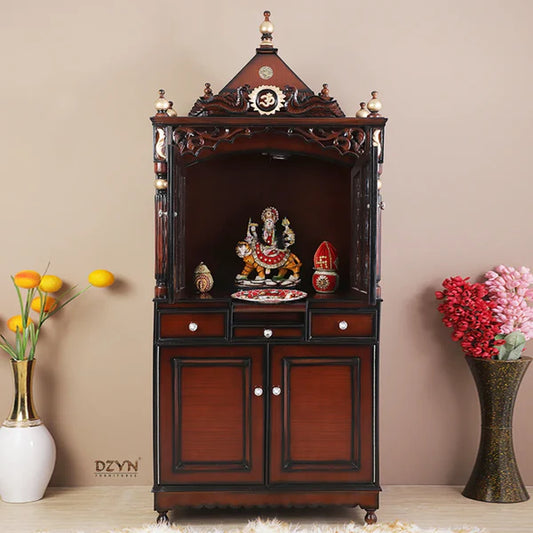
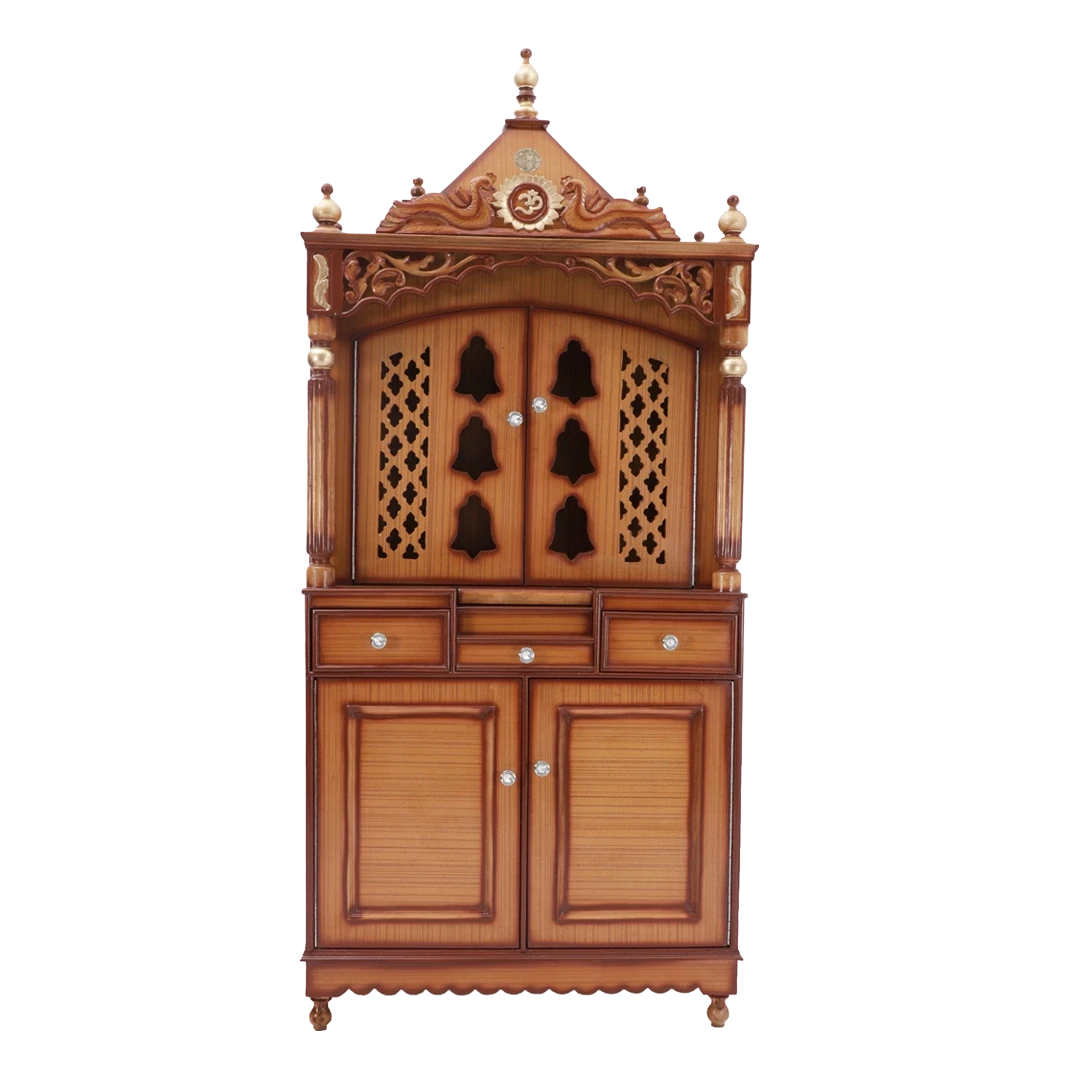
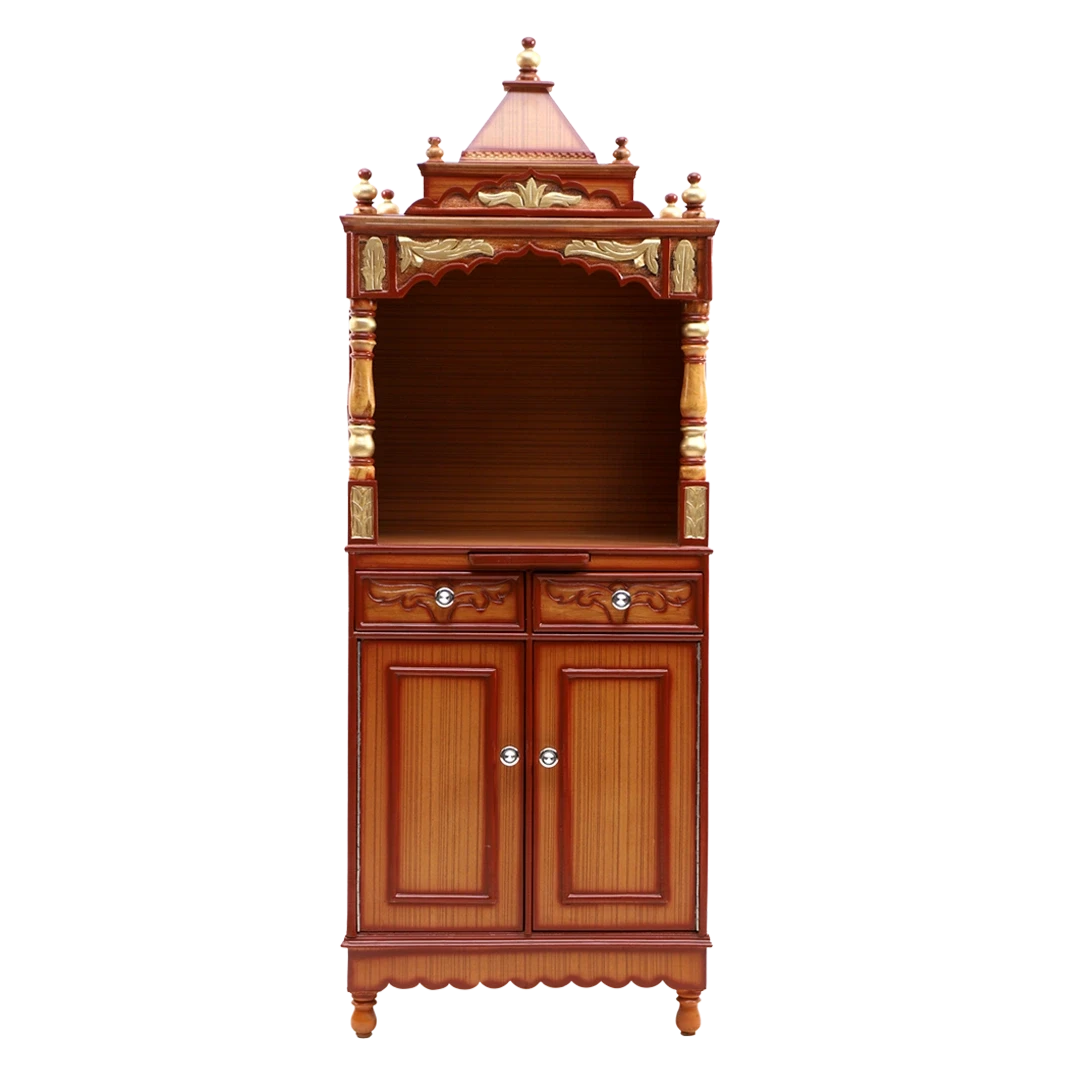
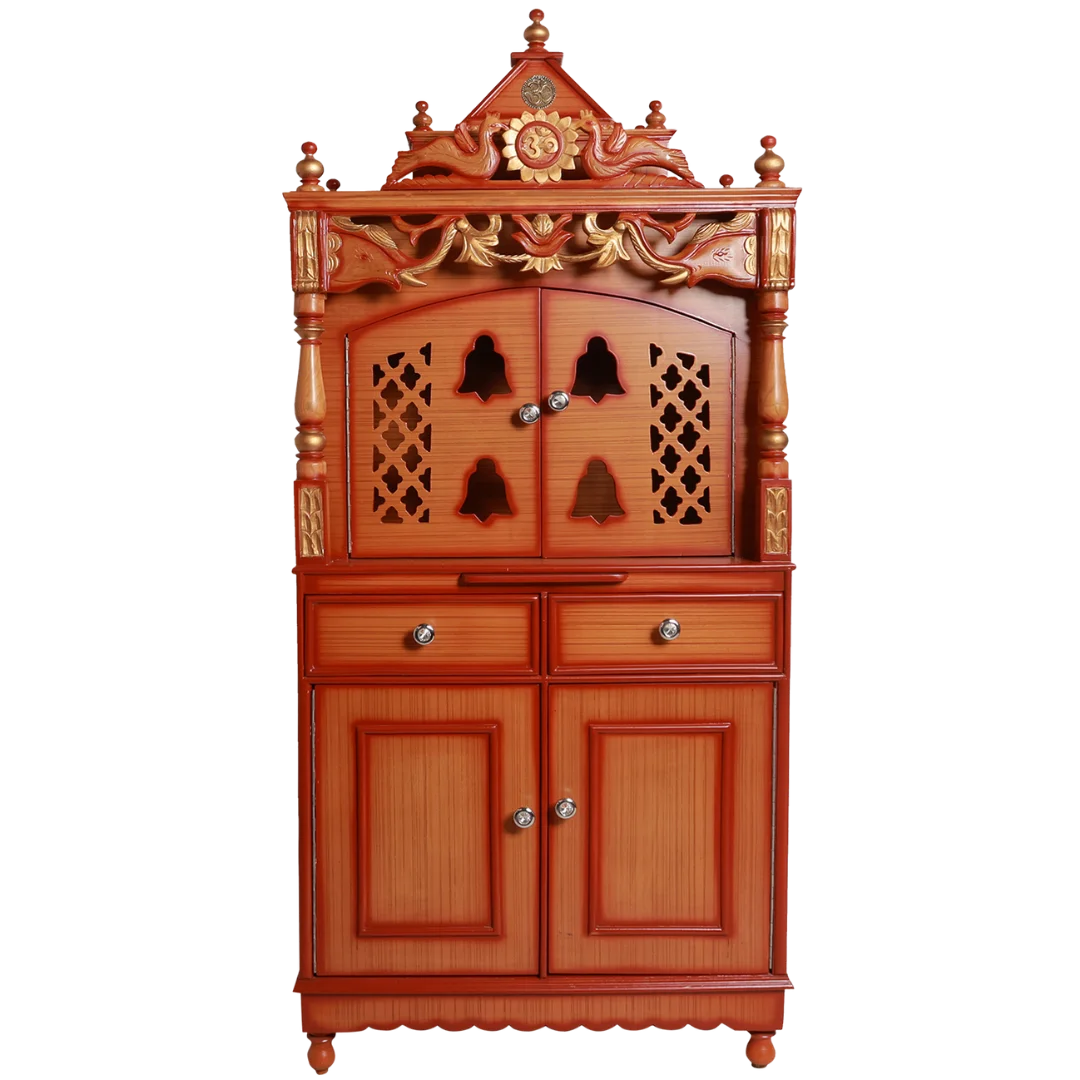
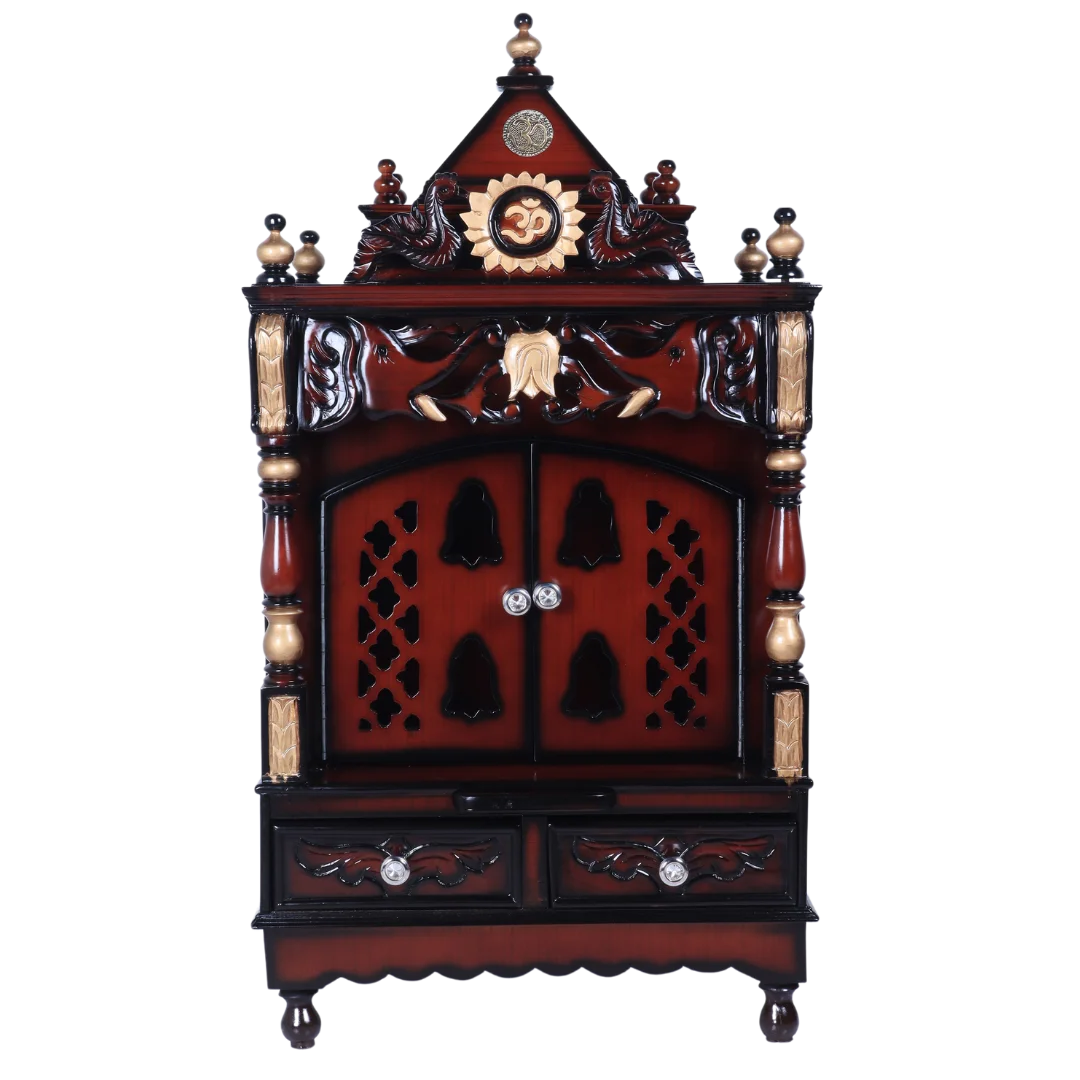
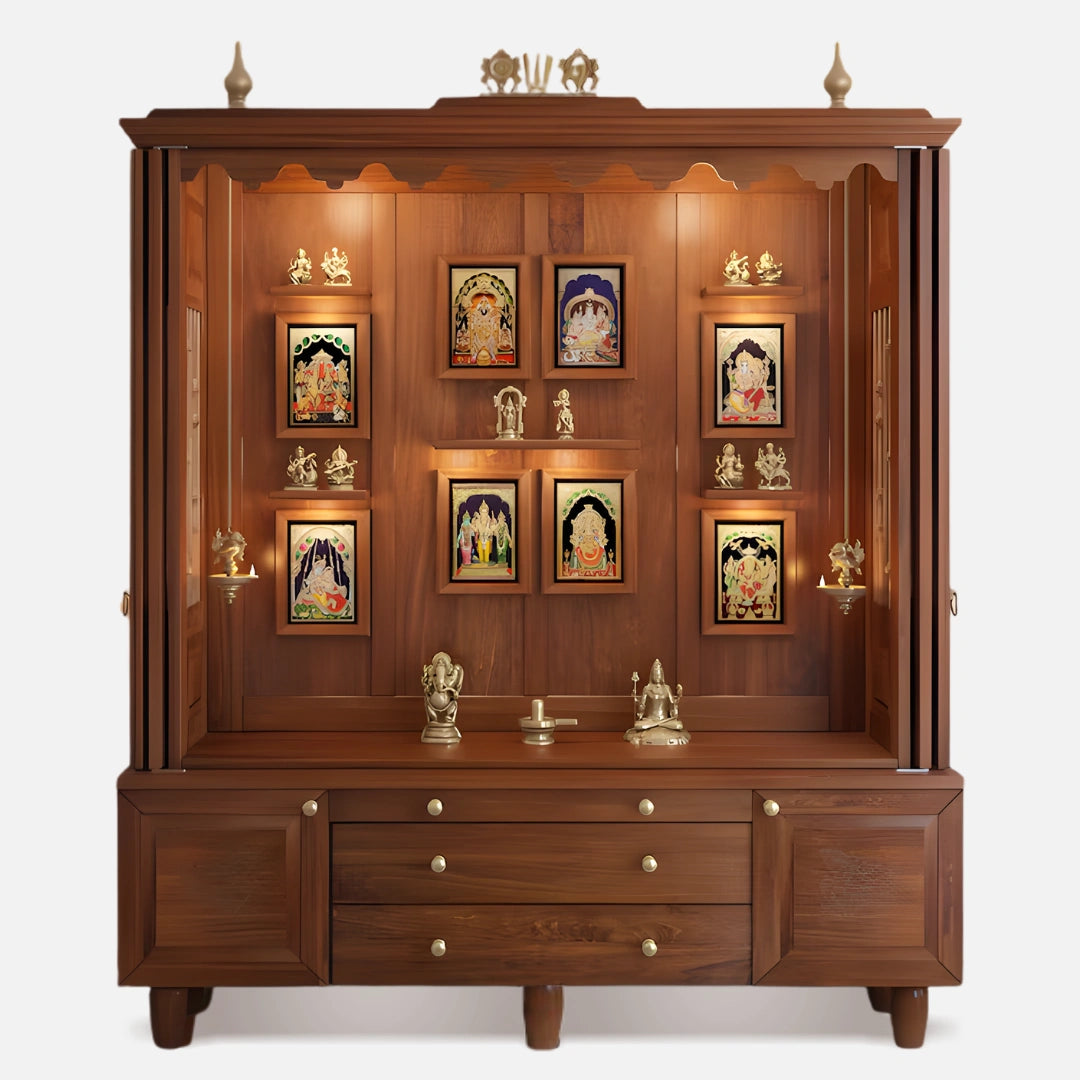
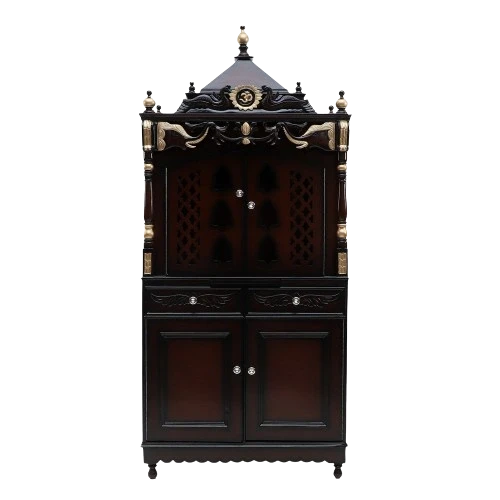
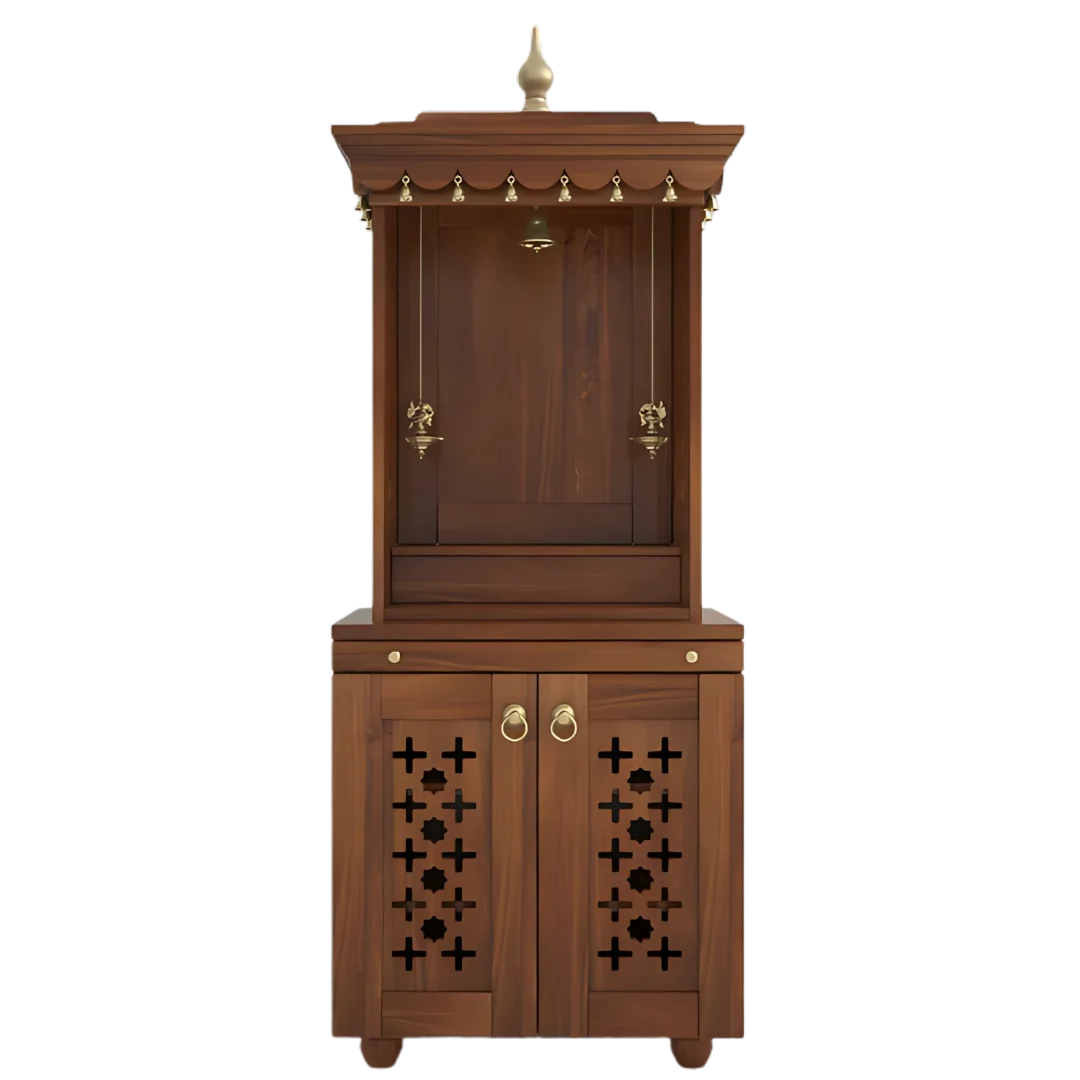
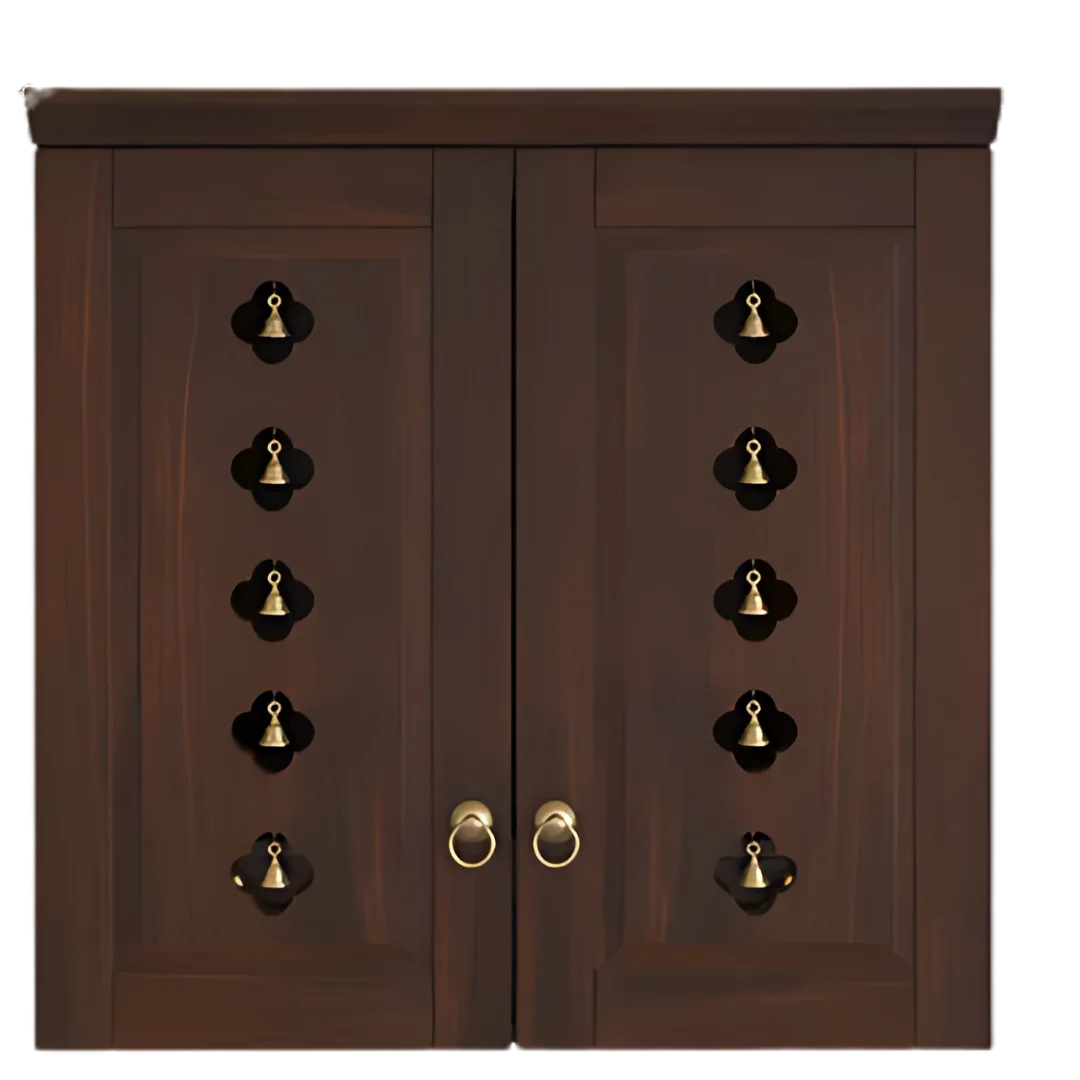
Antarusya Large Floor Rested Pooja Mandap with Door (Brown Gold)
| Sold 180 Pcs | 12 Months Warranty 12 Warr. 12 W 12 Months Warranty₹ 44,990₹ 70,500(36% off)EMI start from ₹ 14,997/month EMI start from ₹ 14,997/MDeal ₹ 40,491 -

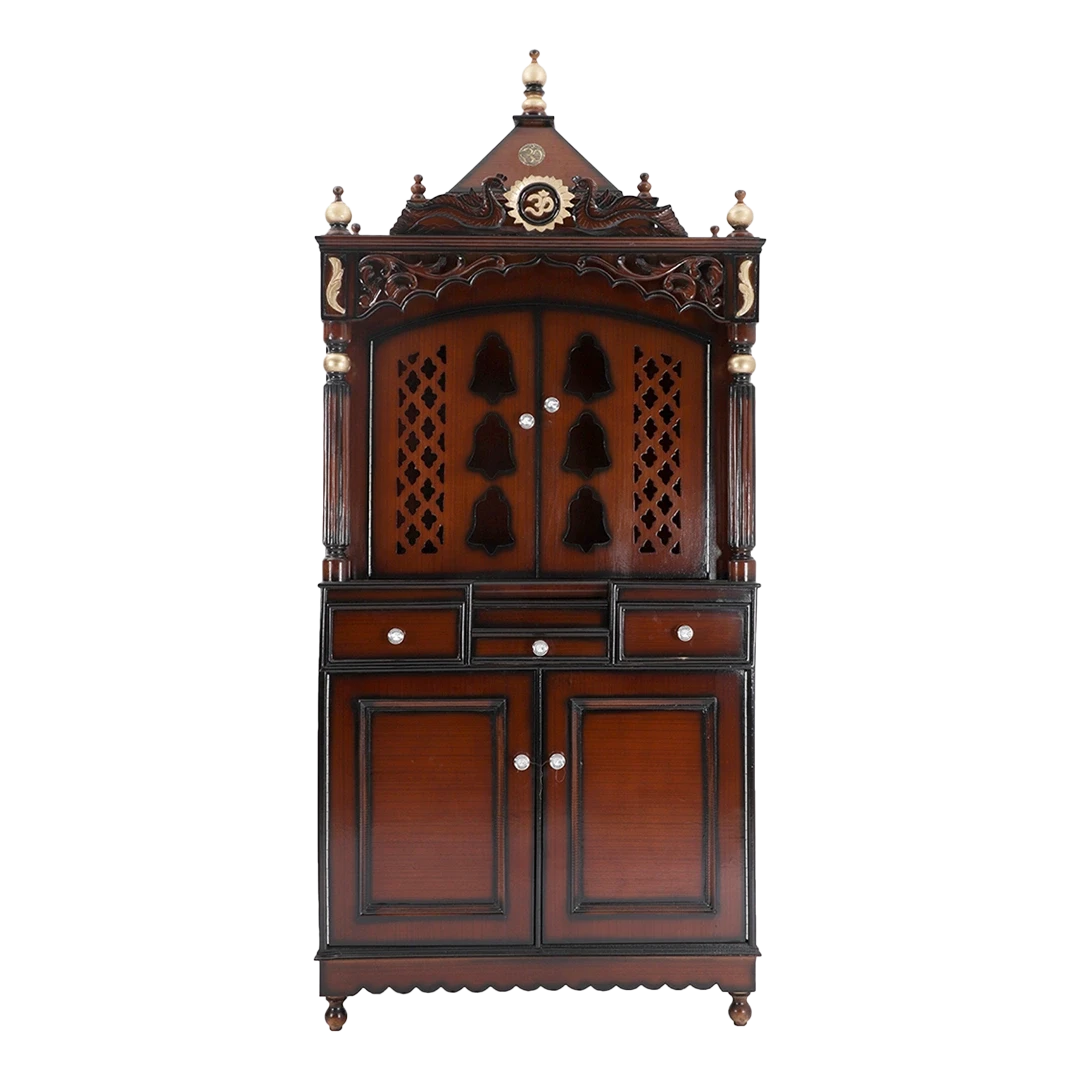
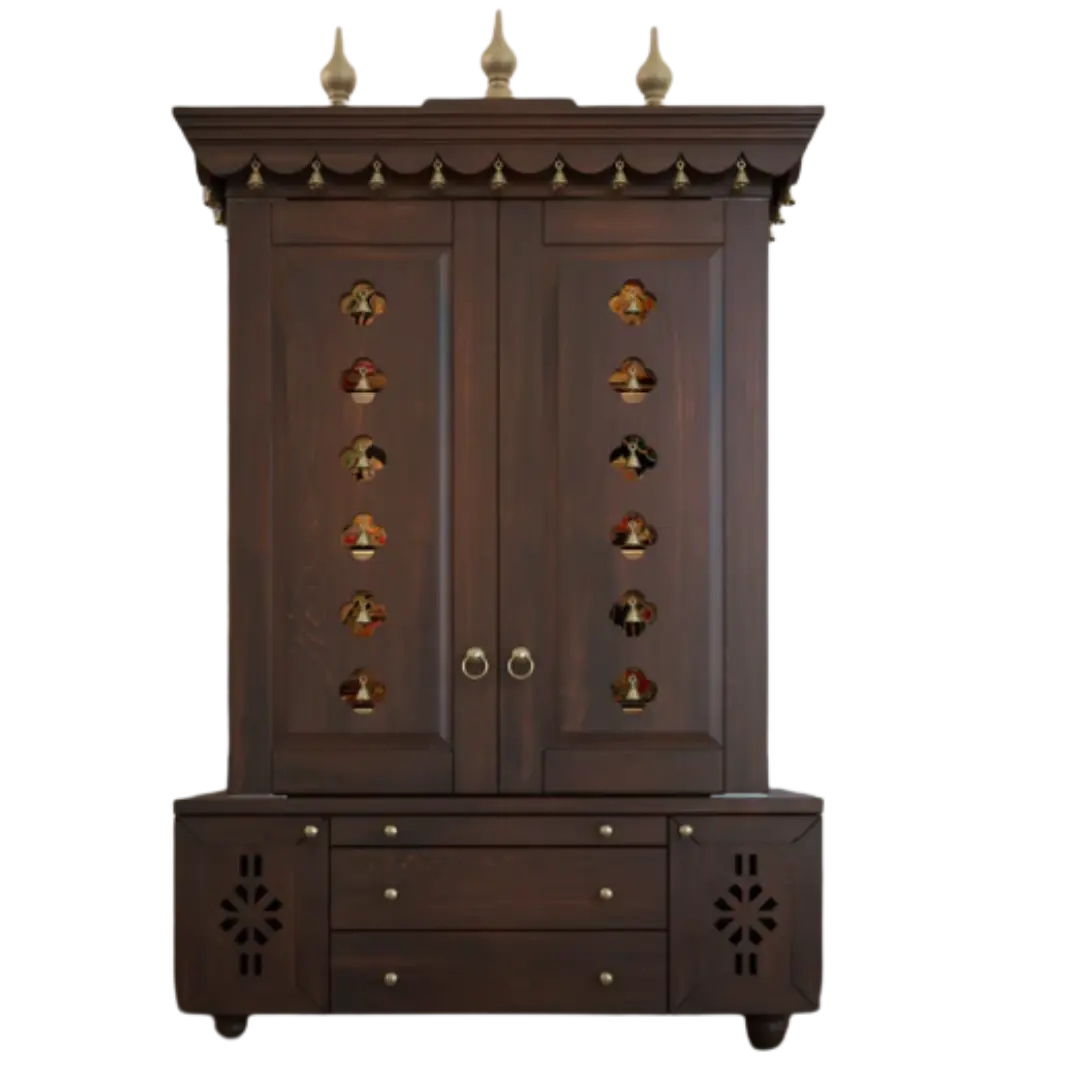
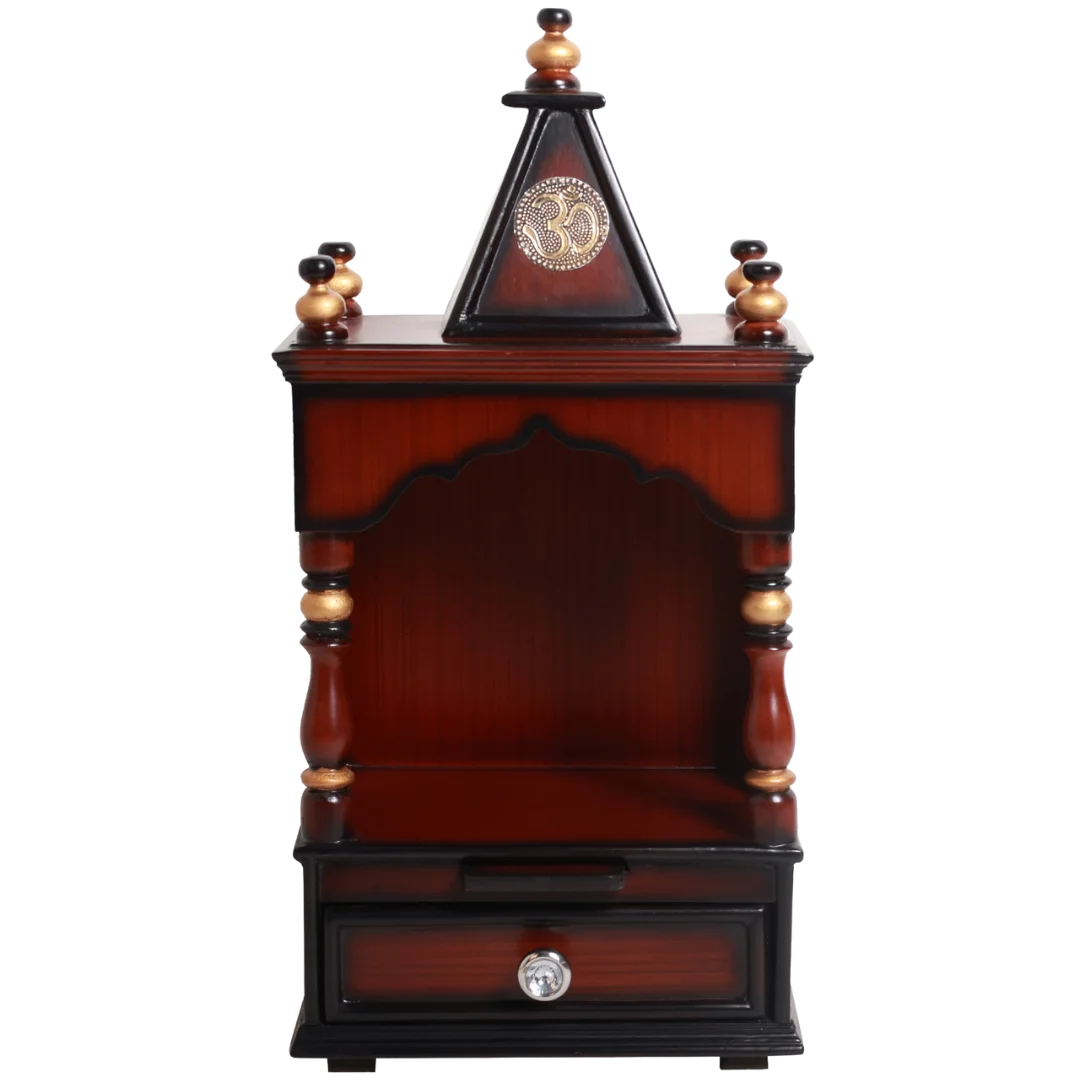
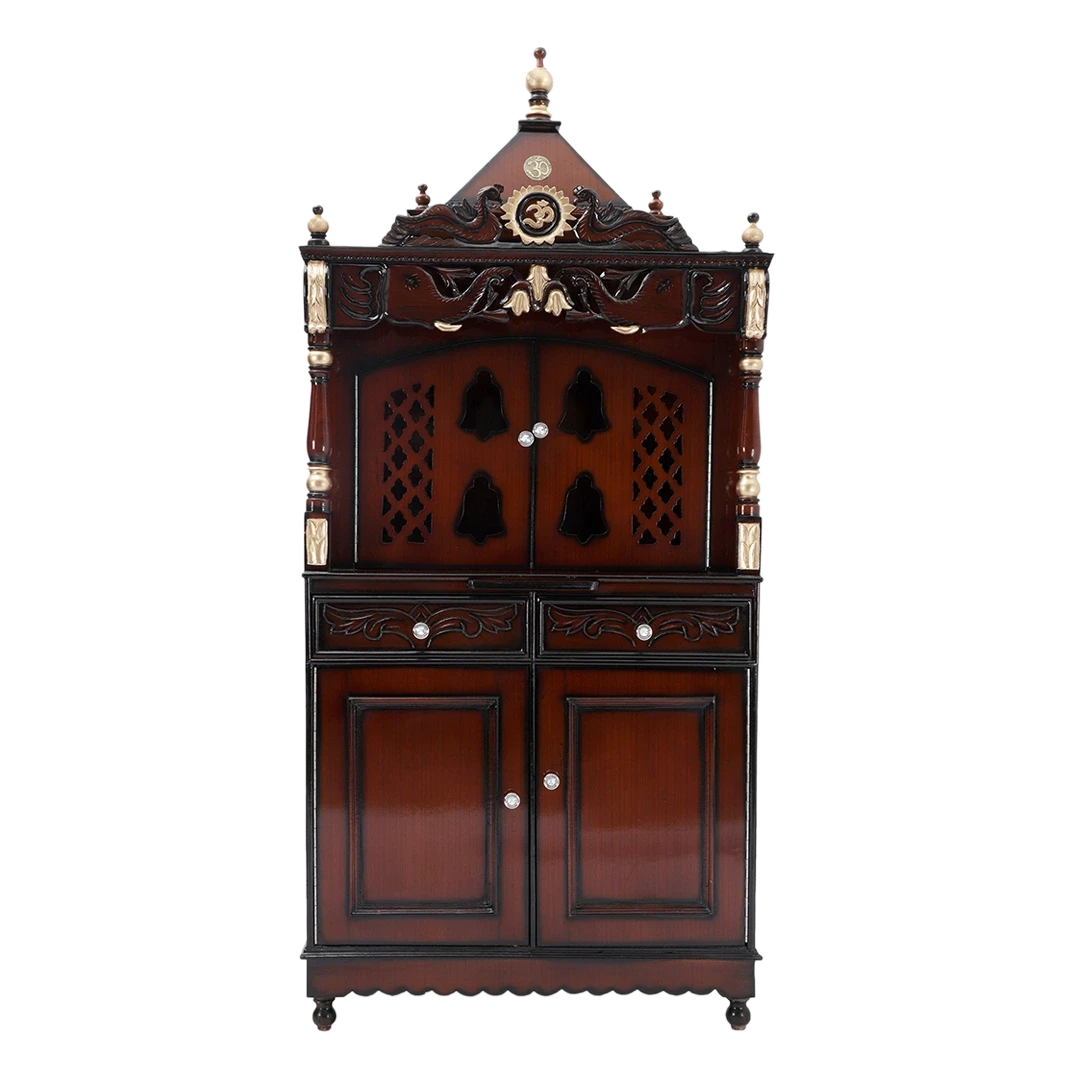
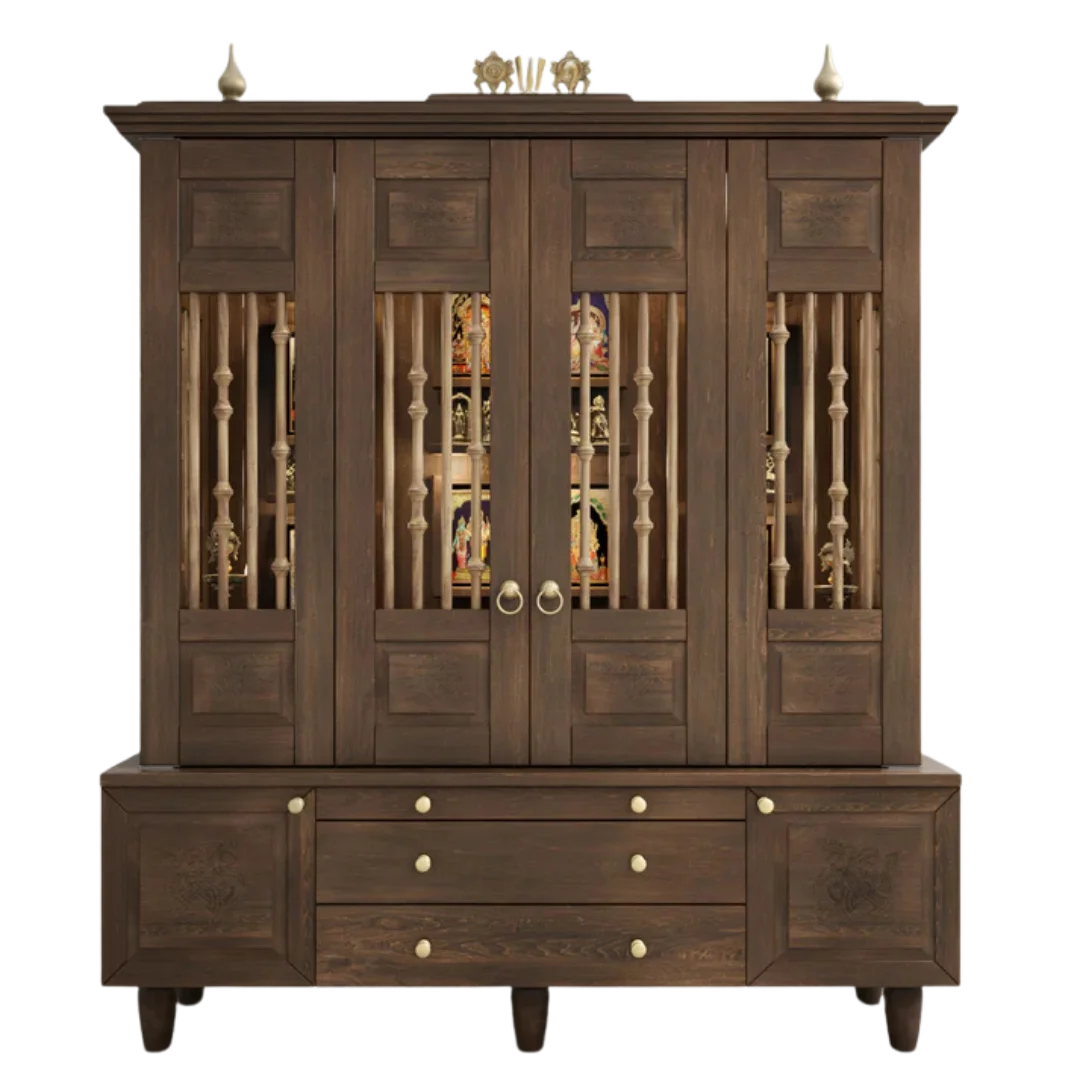
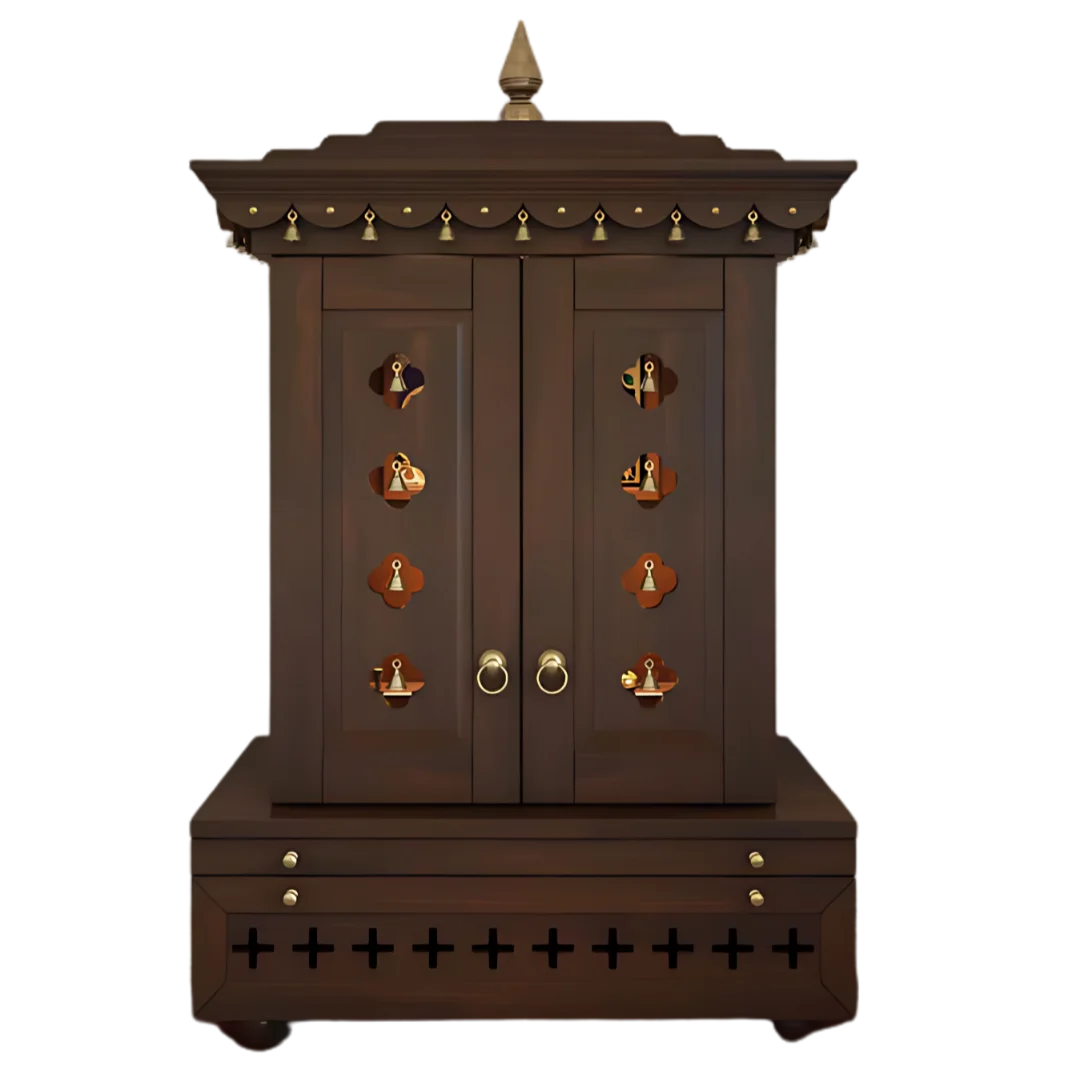
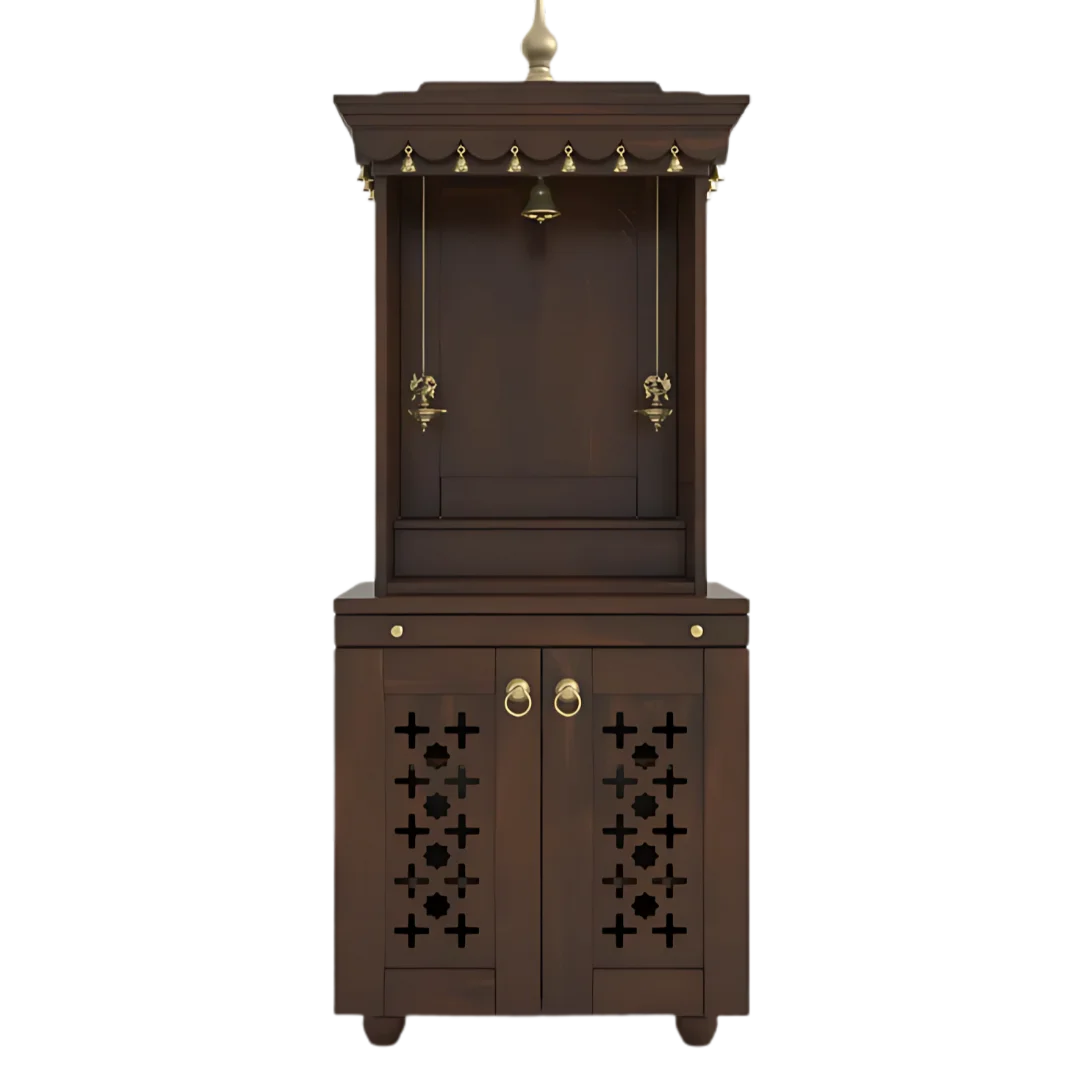
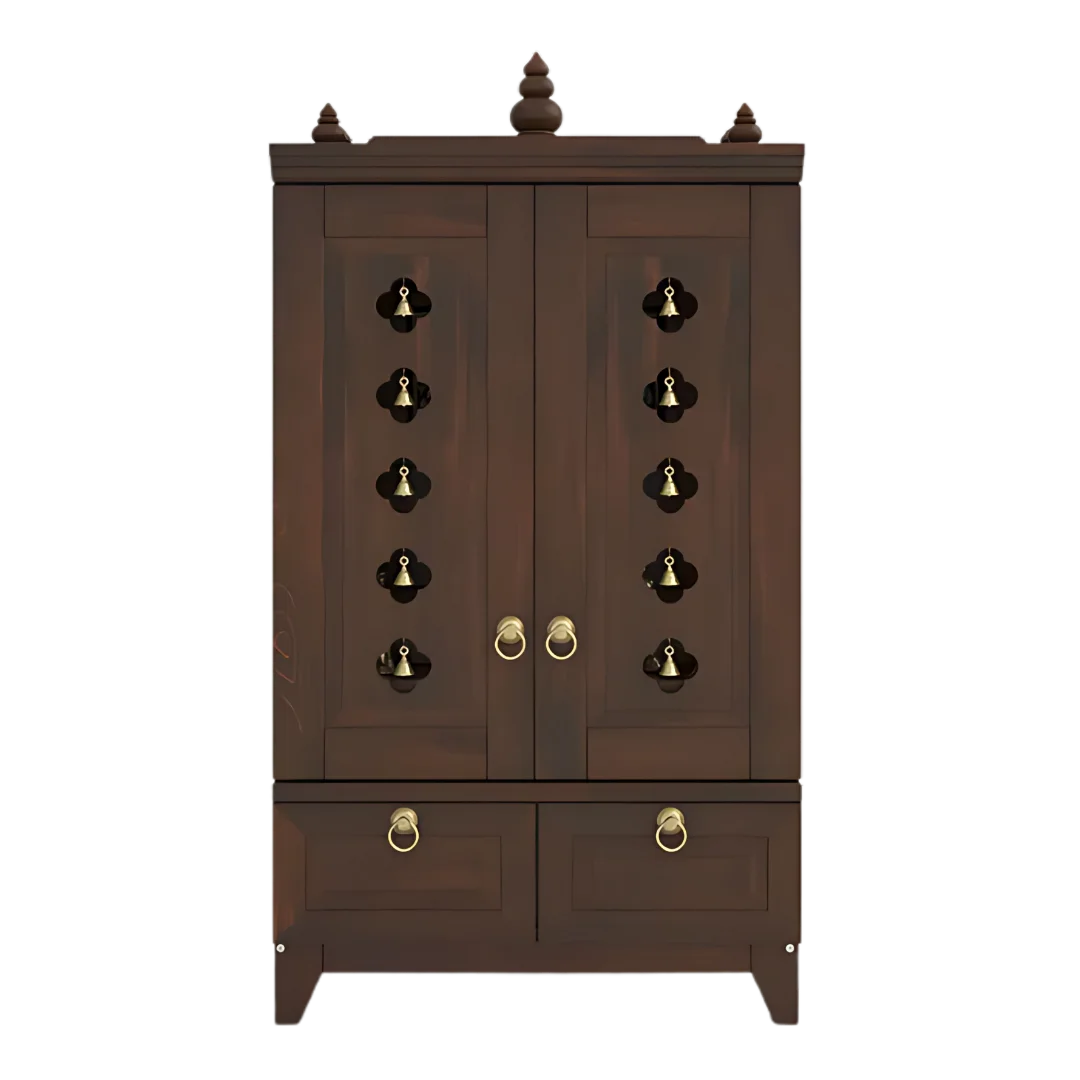
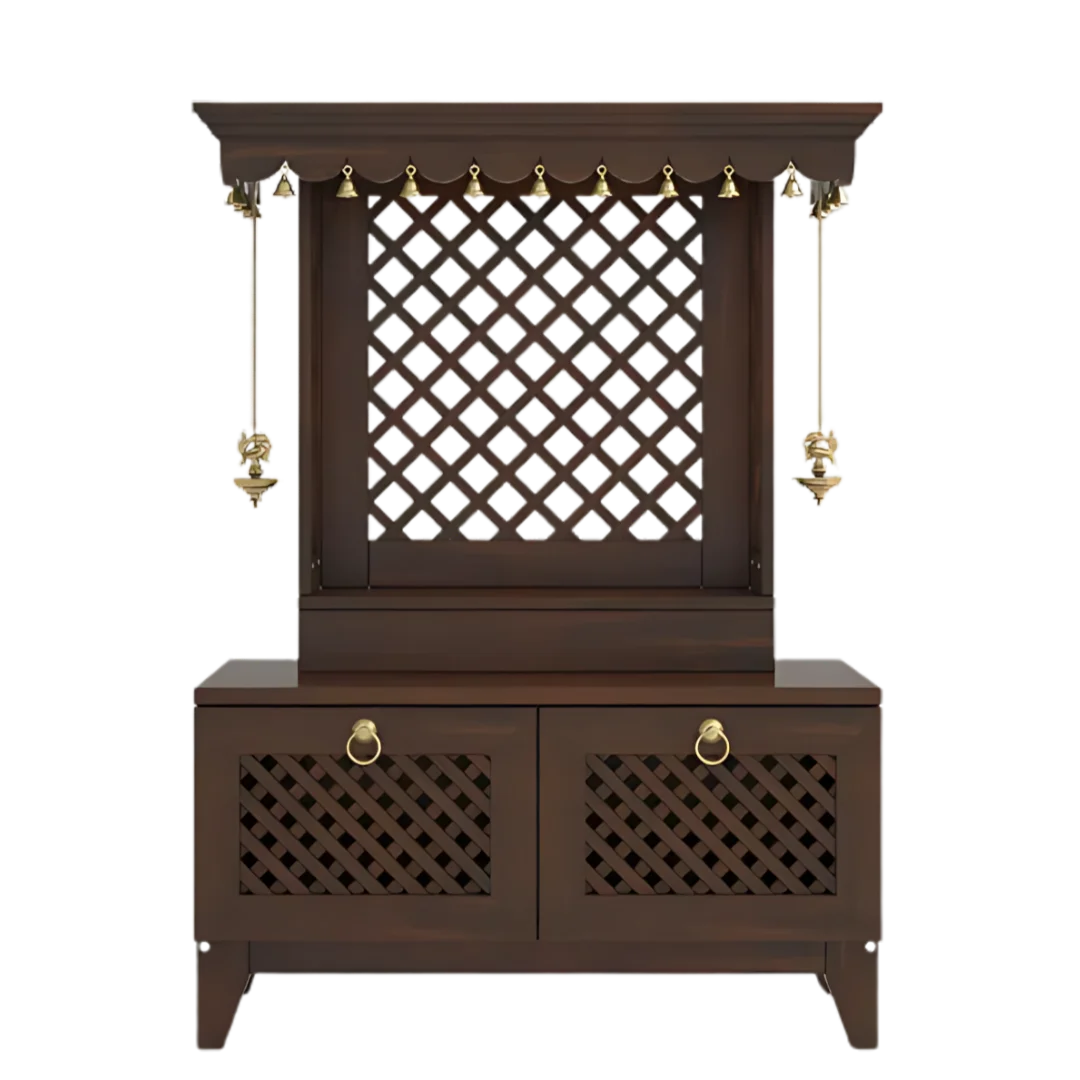
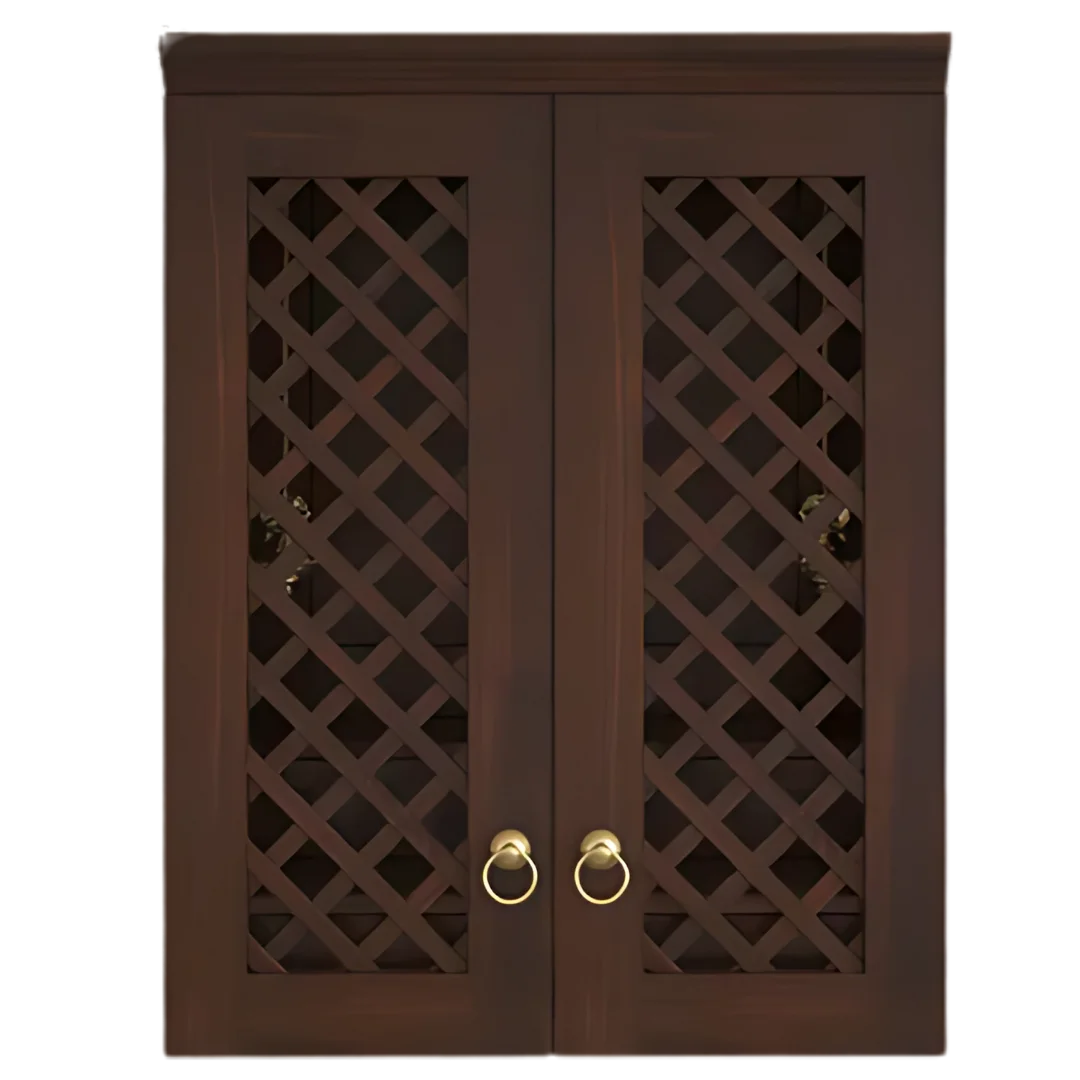
Vrittika Teak Wood Pooja Mandap with Door (Wenge)
| Sold 110 Pcs | 12 Months Warranty 12 Warr. 12 W 12 Months Warranty₹ 55,990₹ 80,000(30% off)EMI start from ₹ 18,663/month EMI start from ₹ 18,663/MDeal ₹ 50,391 -
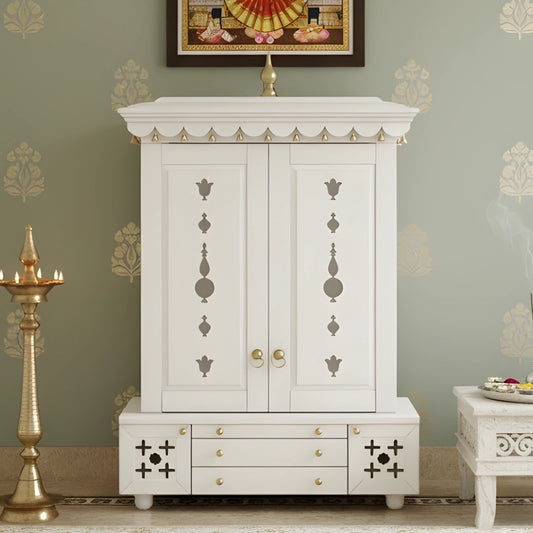
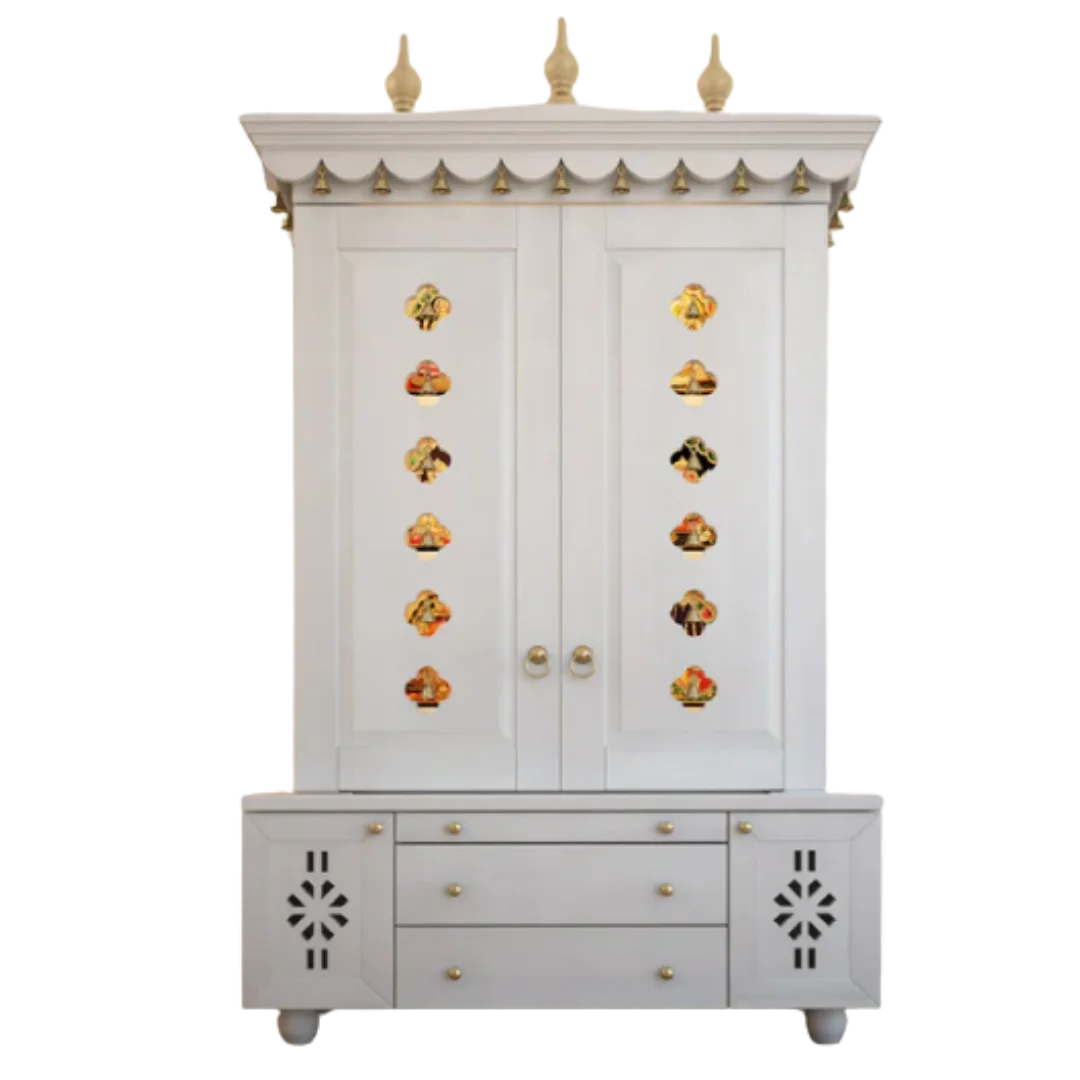
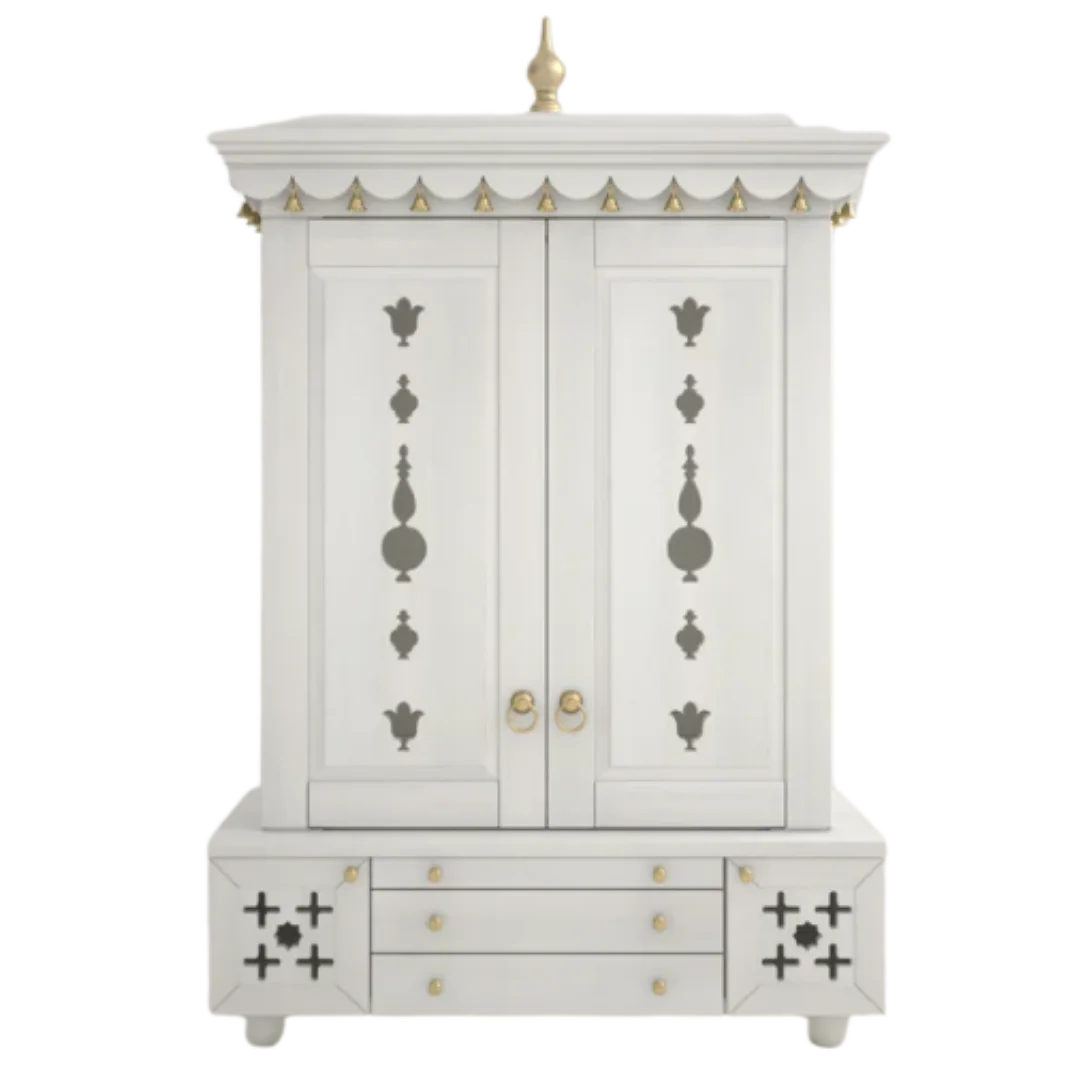
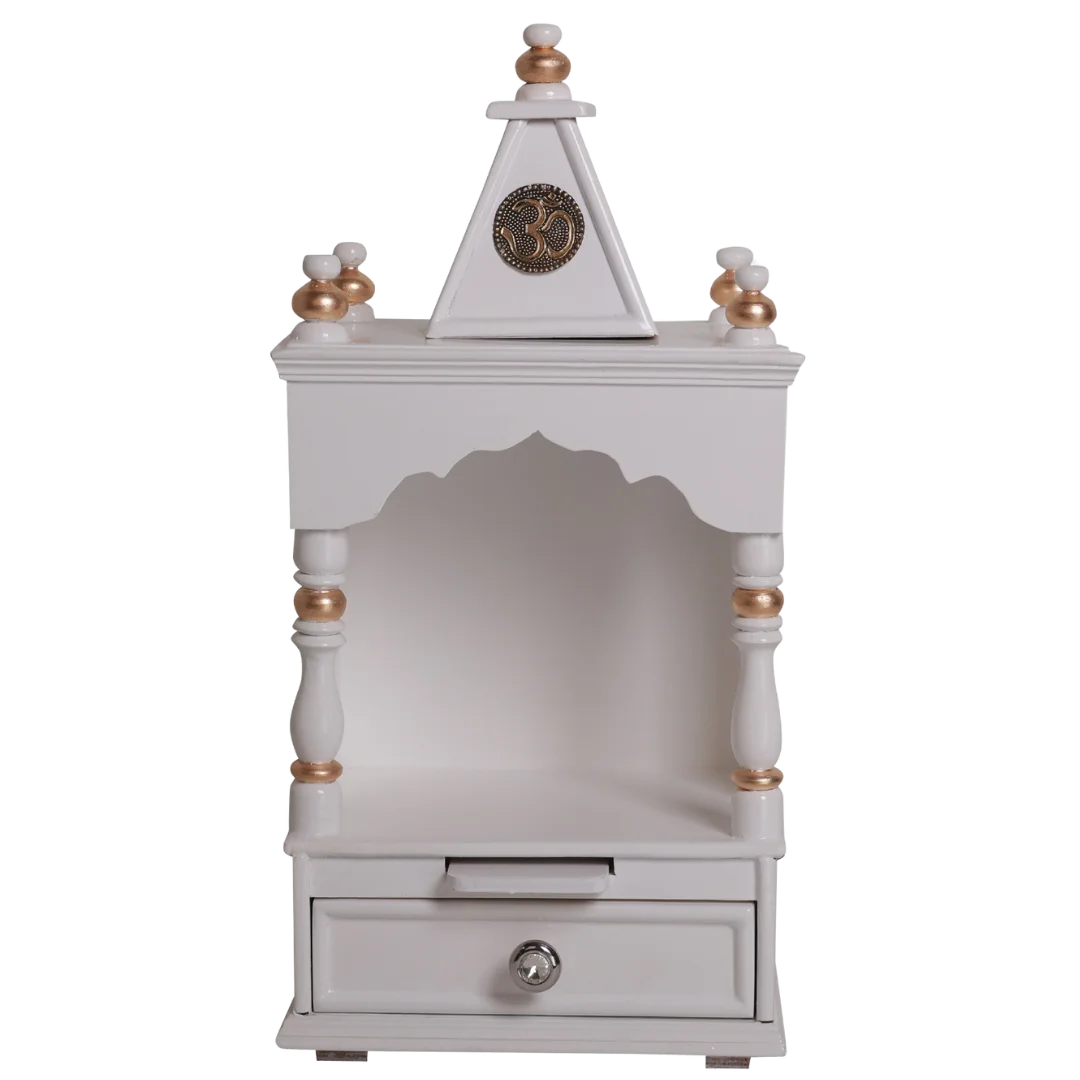
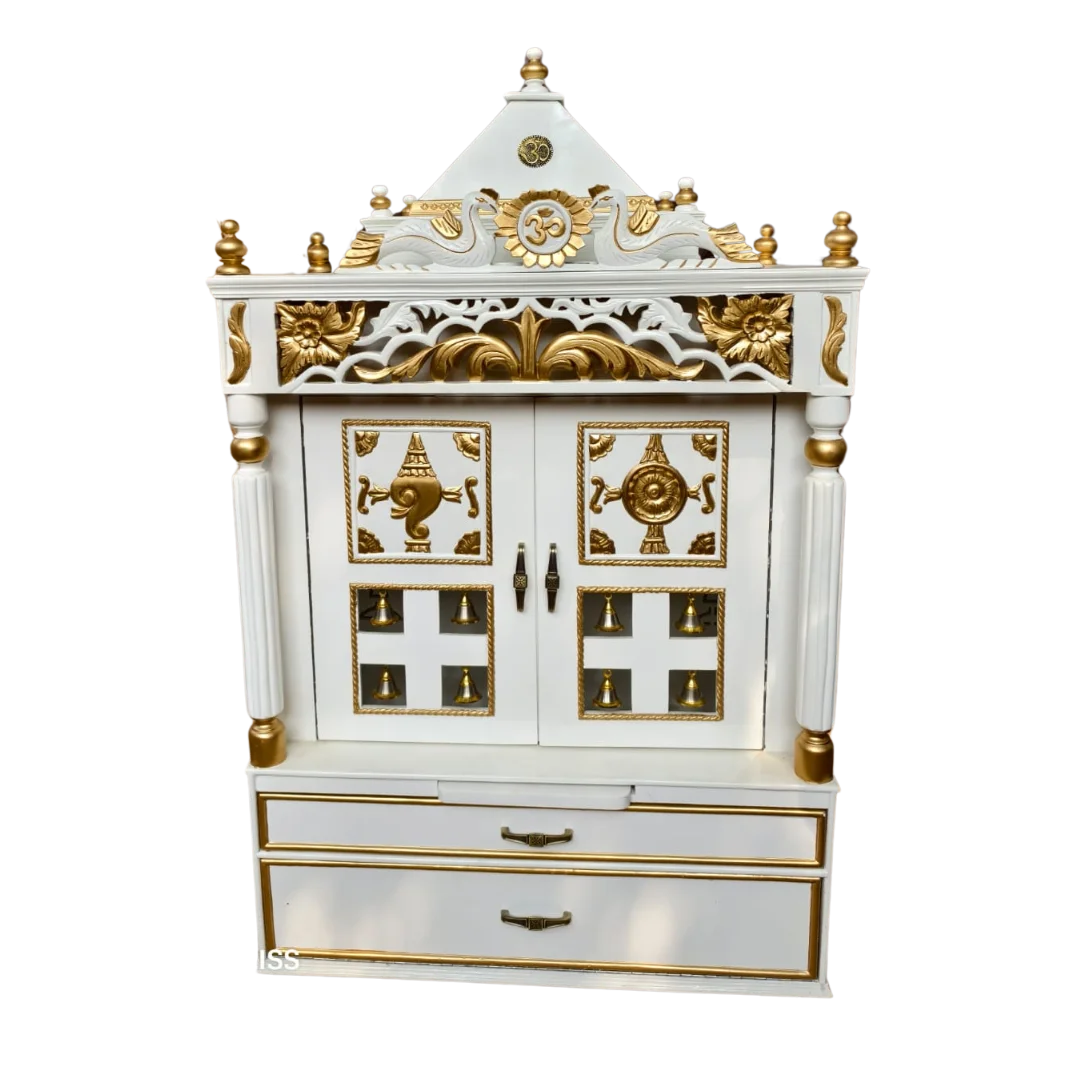
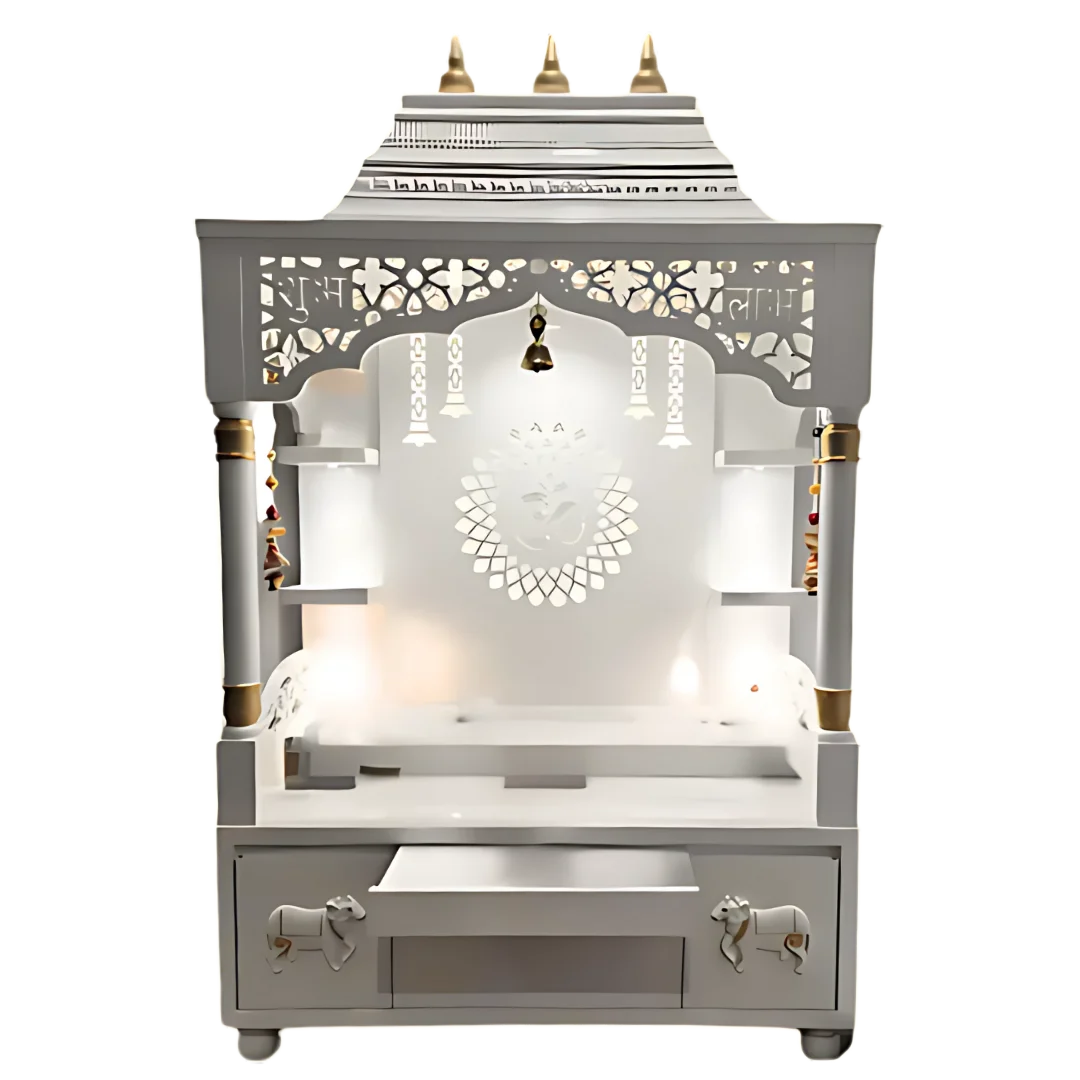
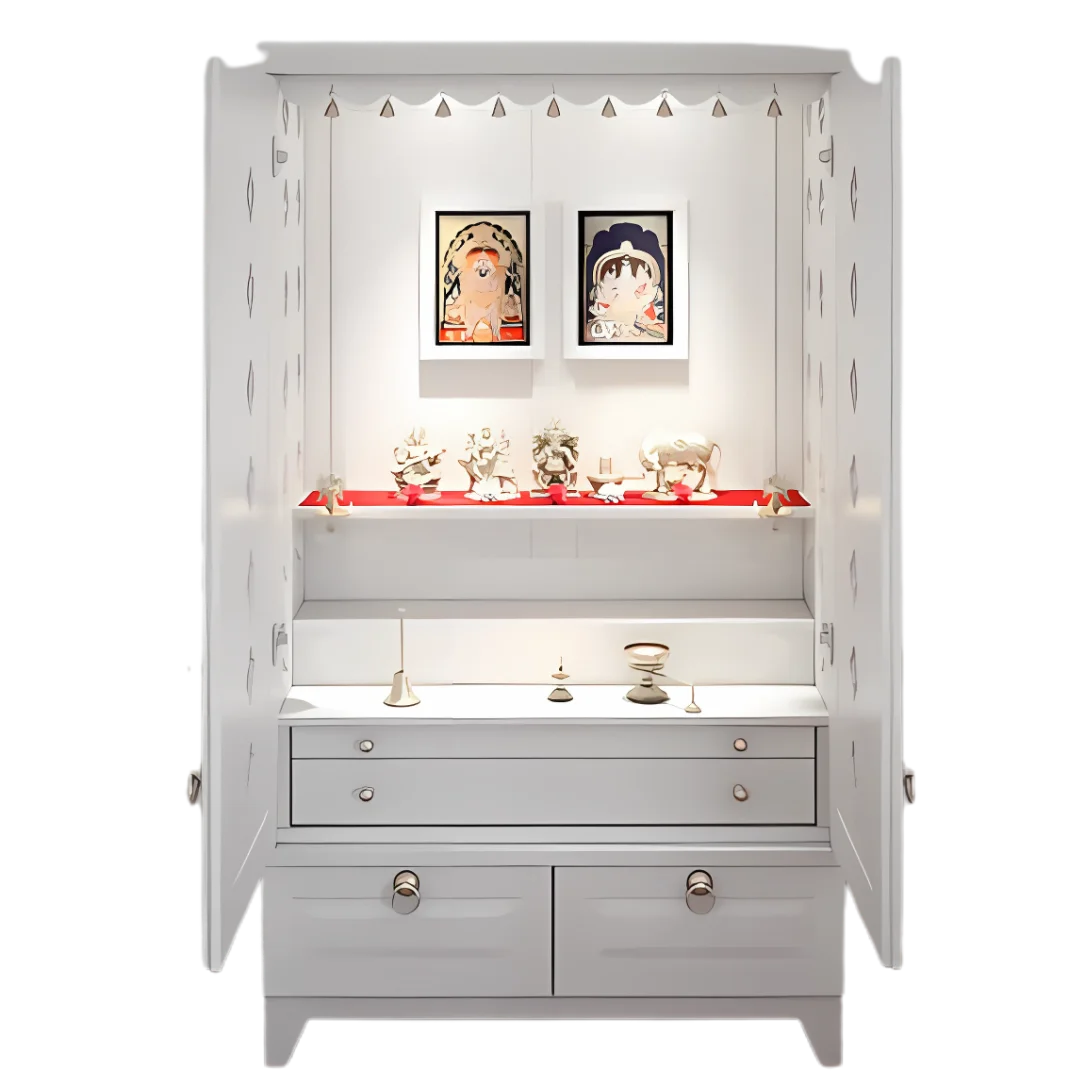
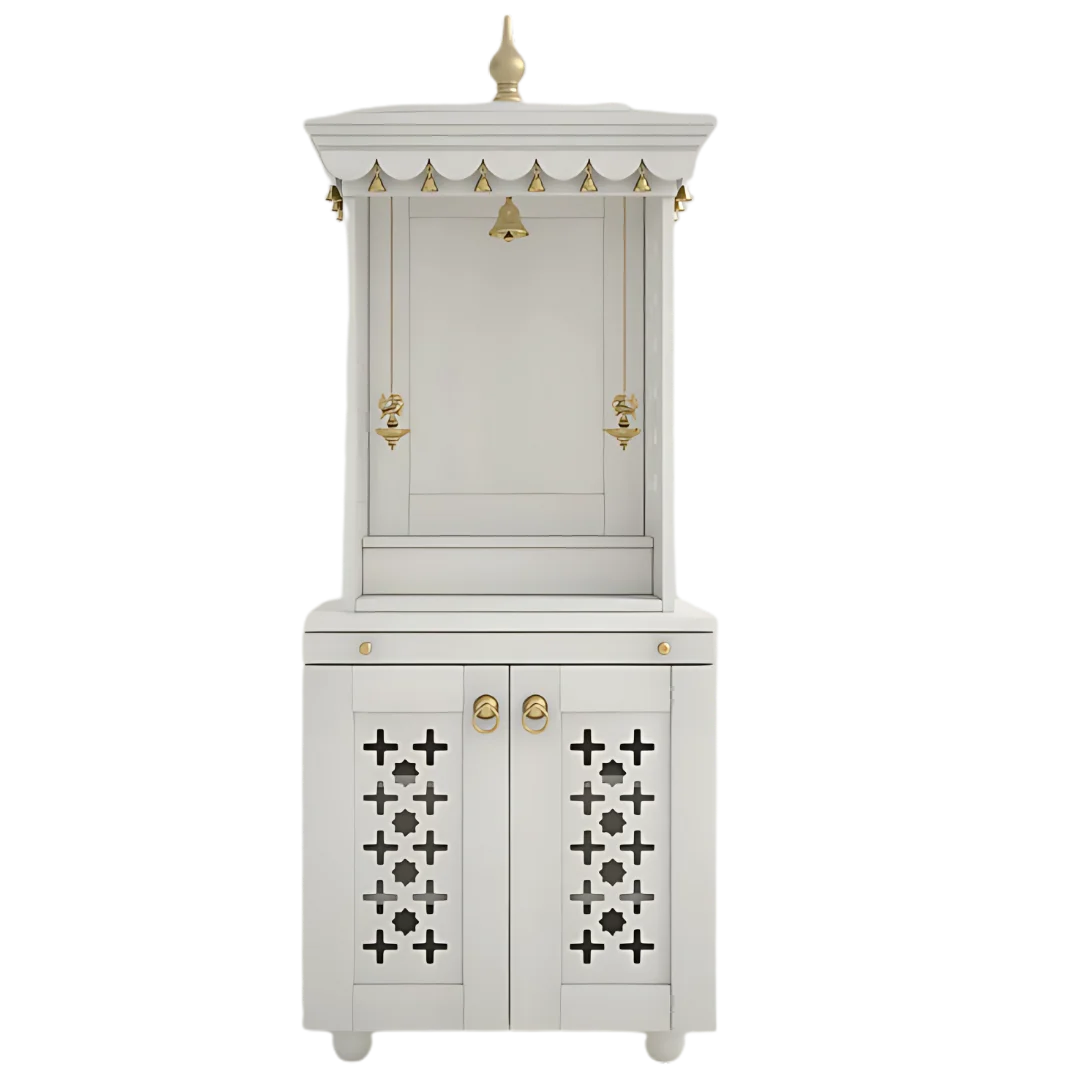
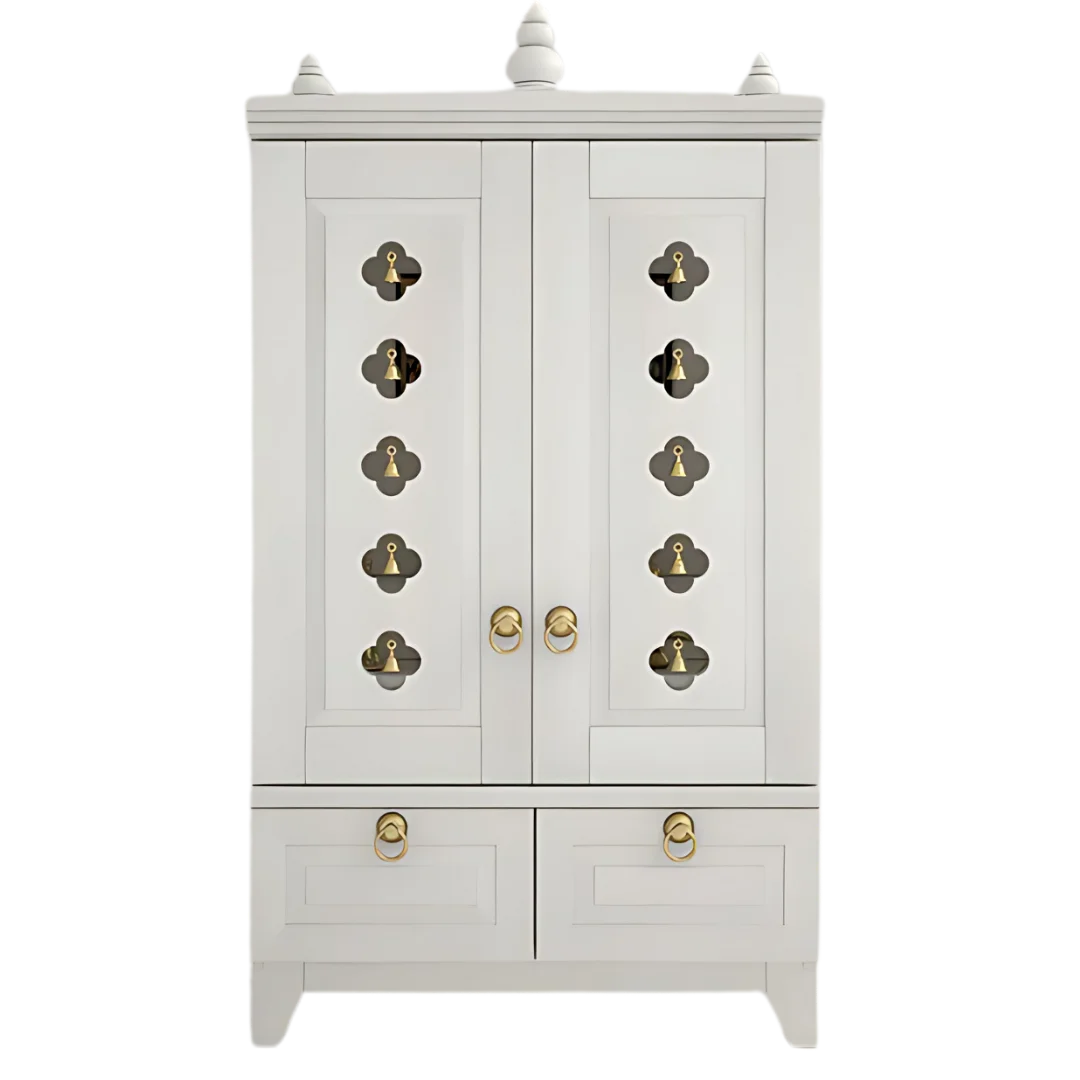
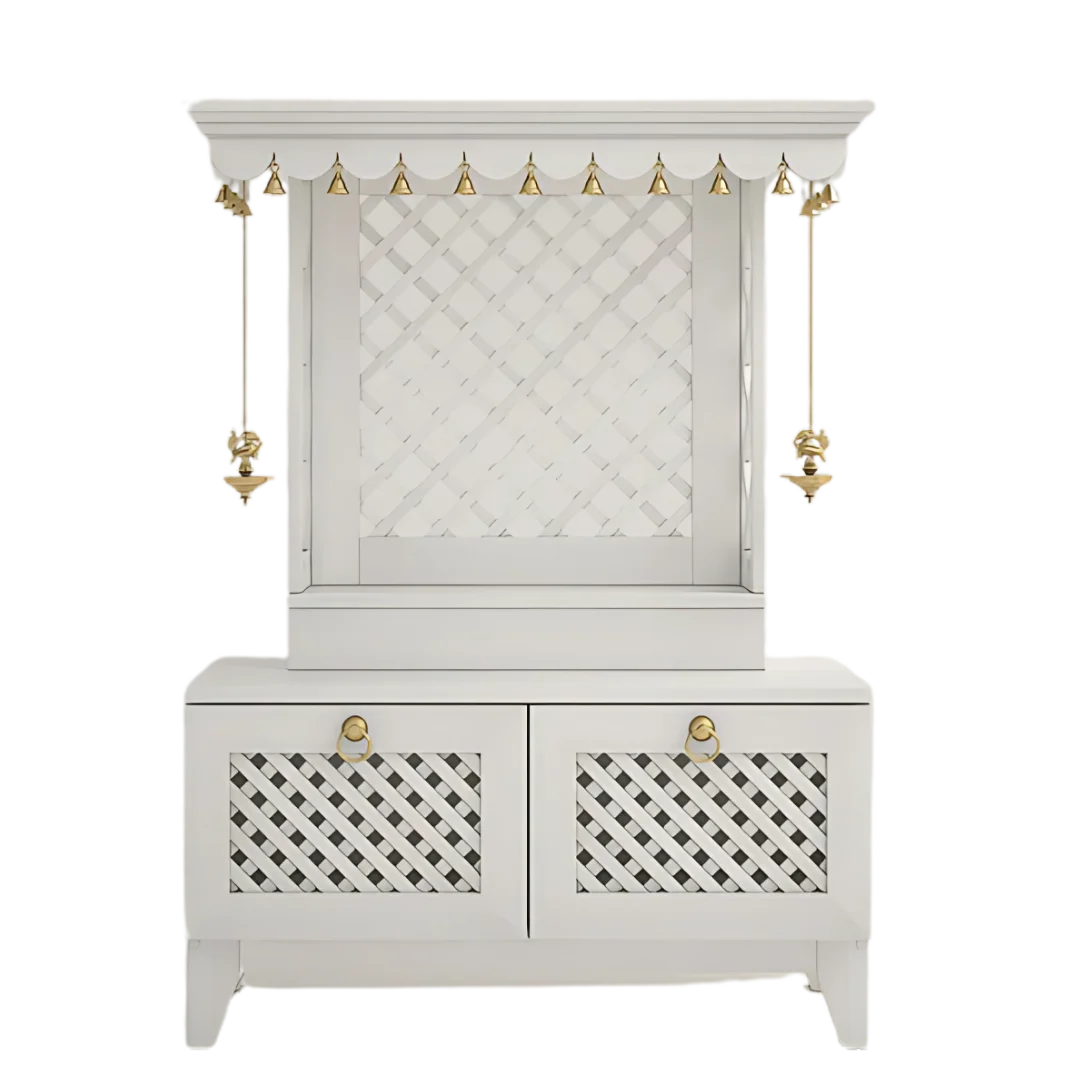
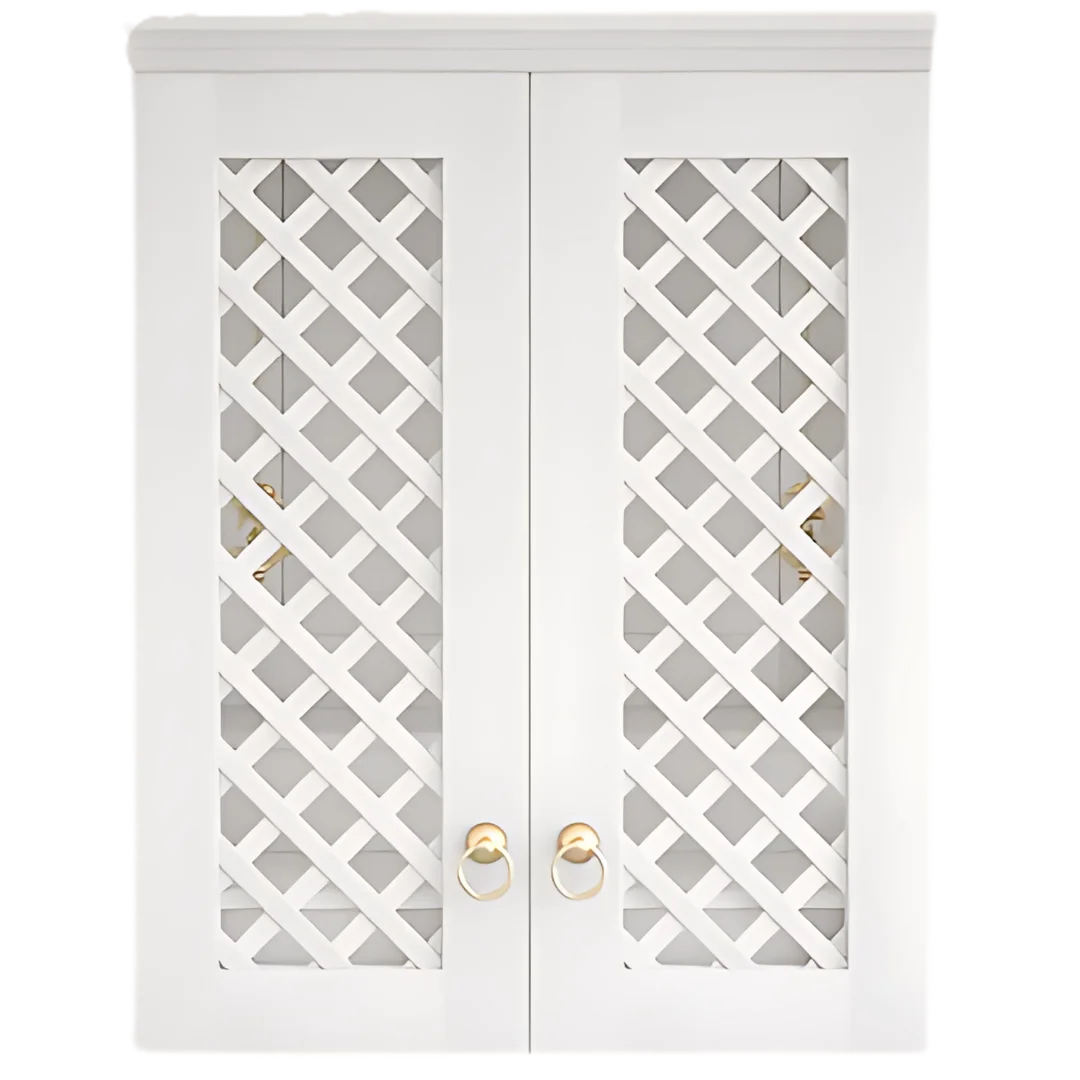
Omkaram Teak Wood Pooja Mandap with Door (White)
| Sold 116 Pcs | 12 Months Warranty 12 Warr. 12 W 12 Months Warranty₹ 59,990₹ 75,000(20% off)EMI start from ₹ 19,997/month EMI start from ₹ 19,997/MDeal ₹ 53,991 -
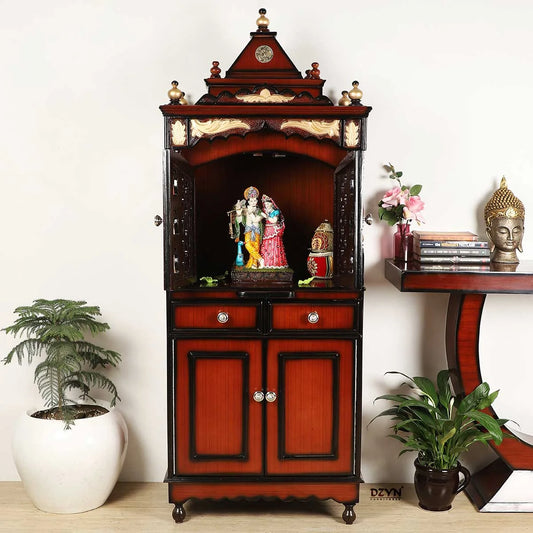
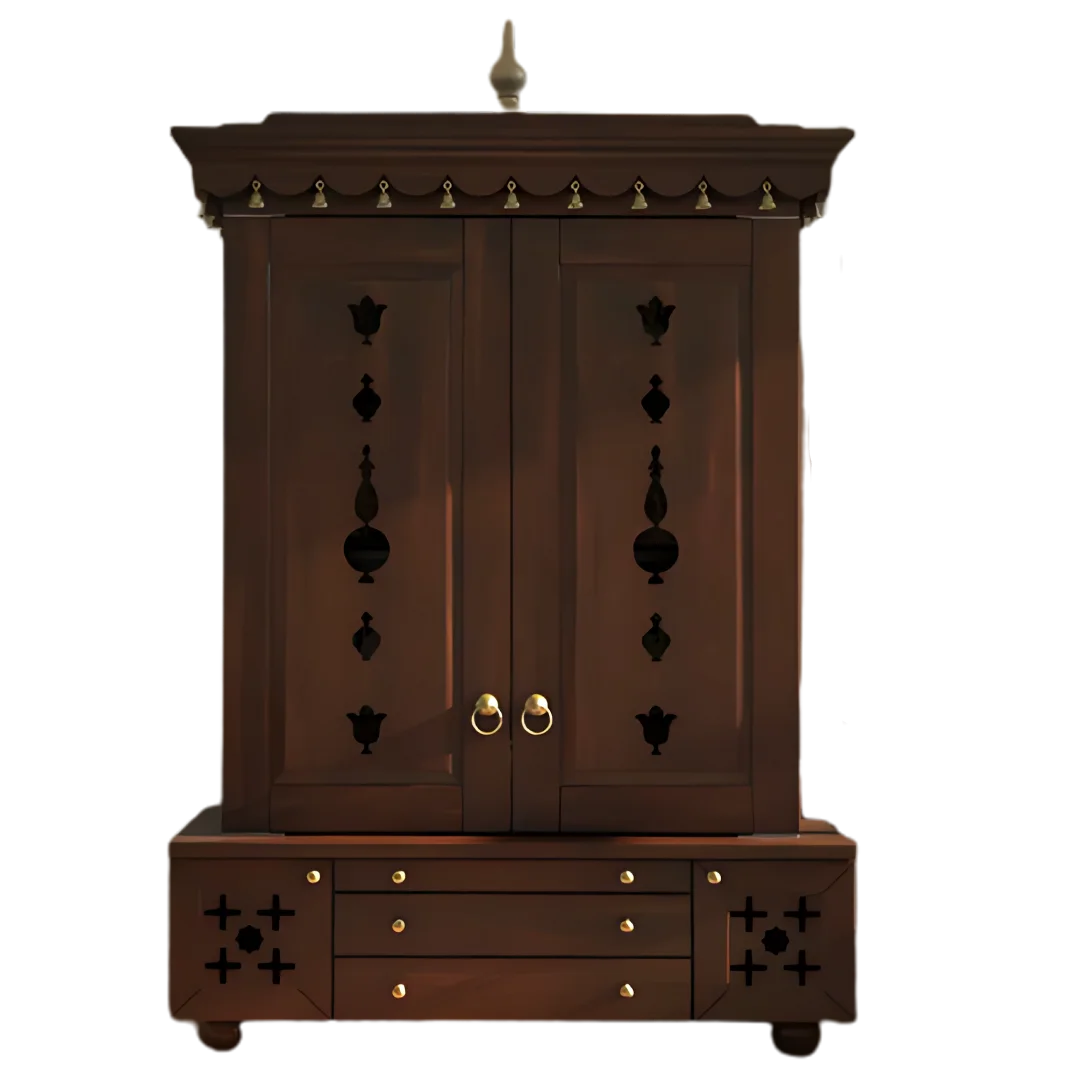
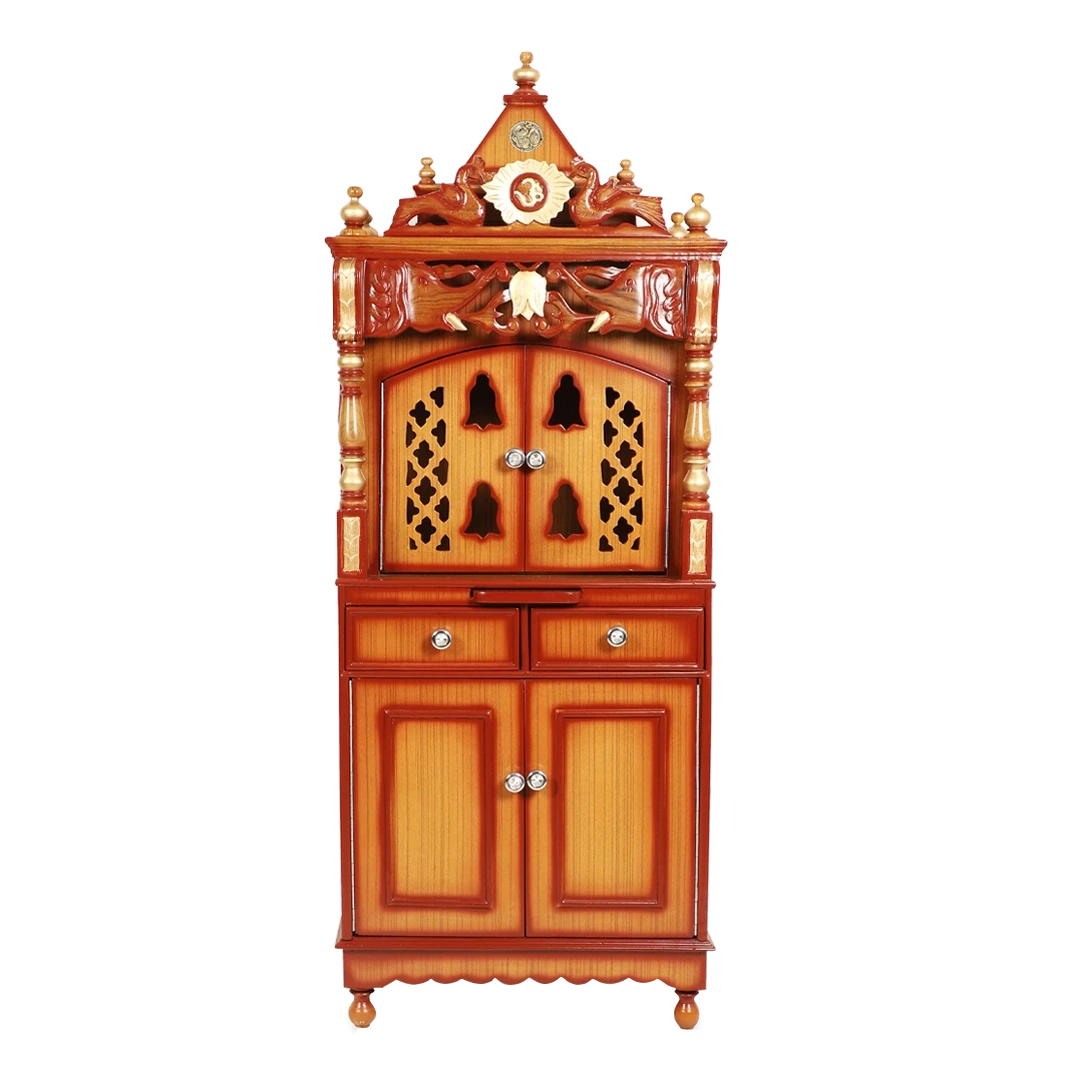
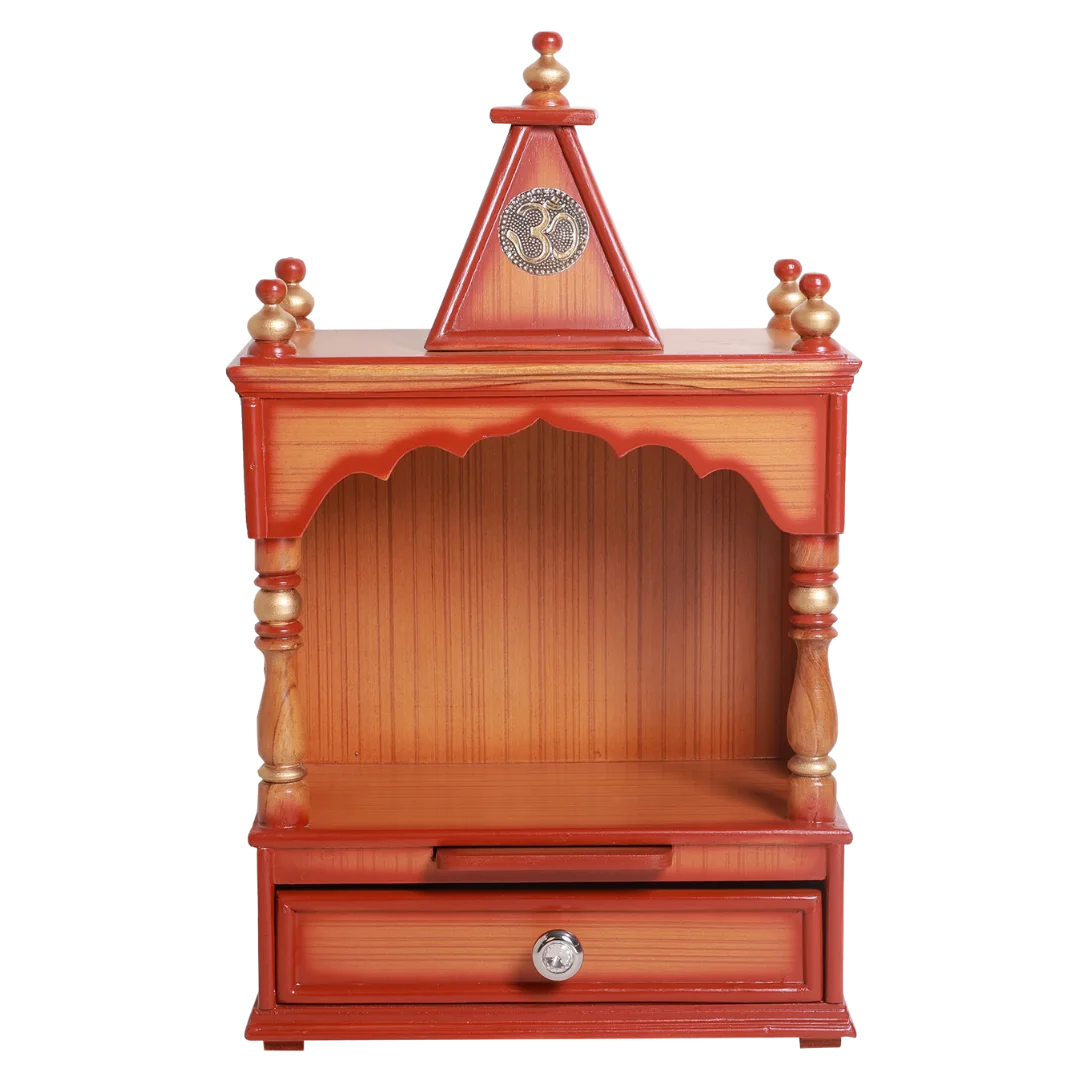
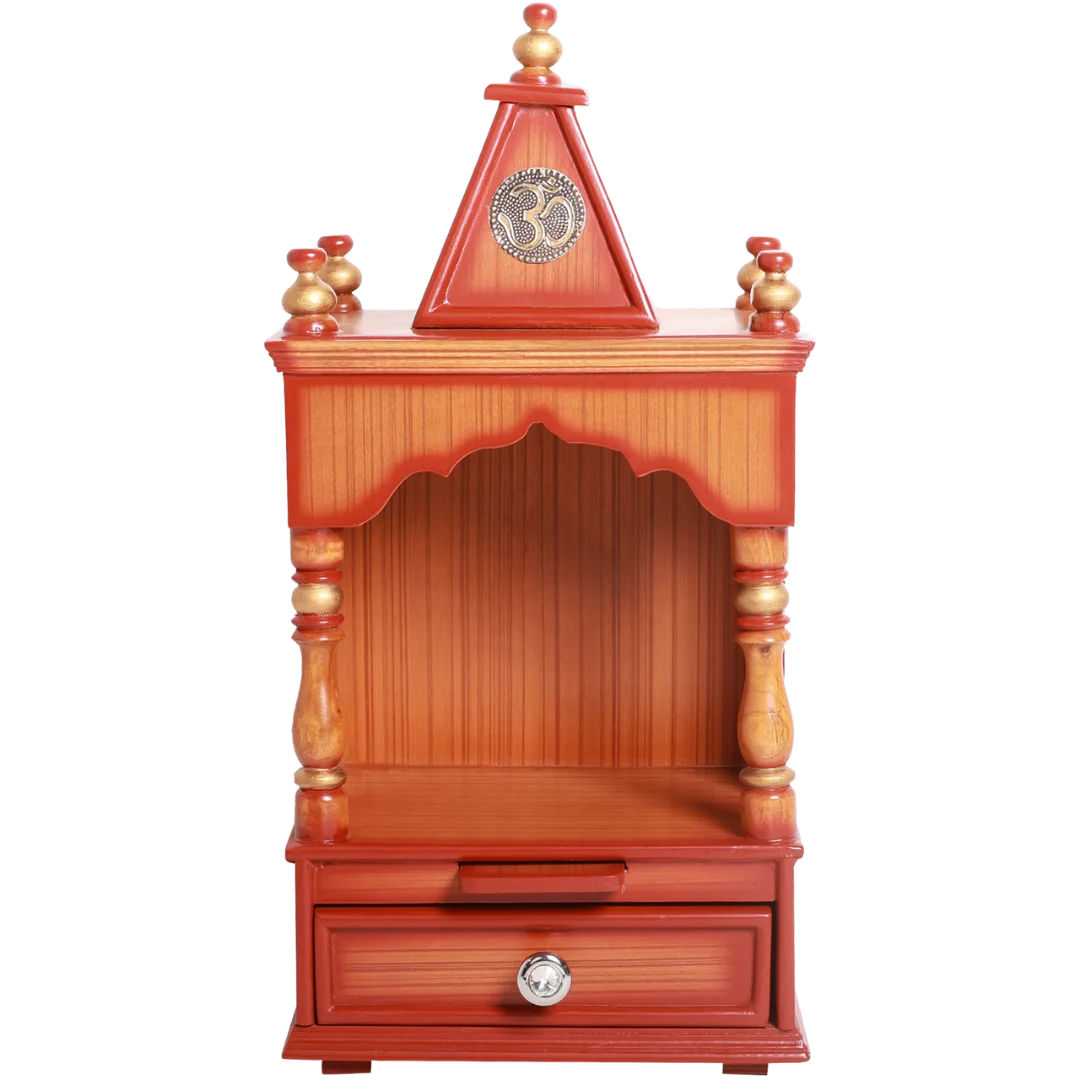
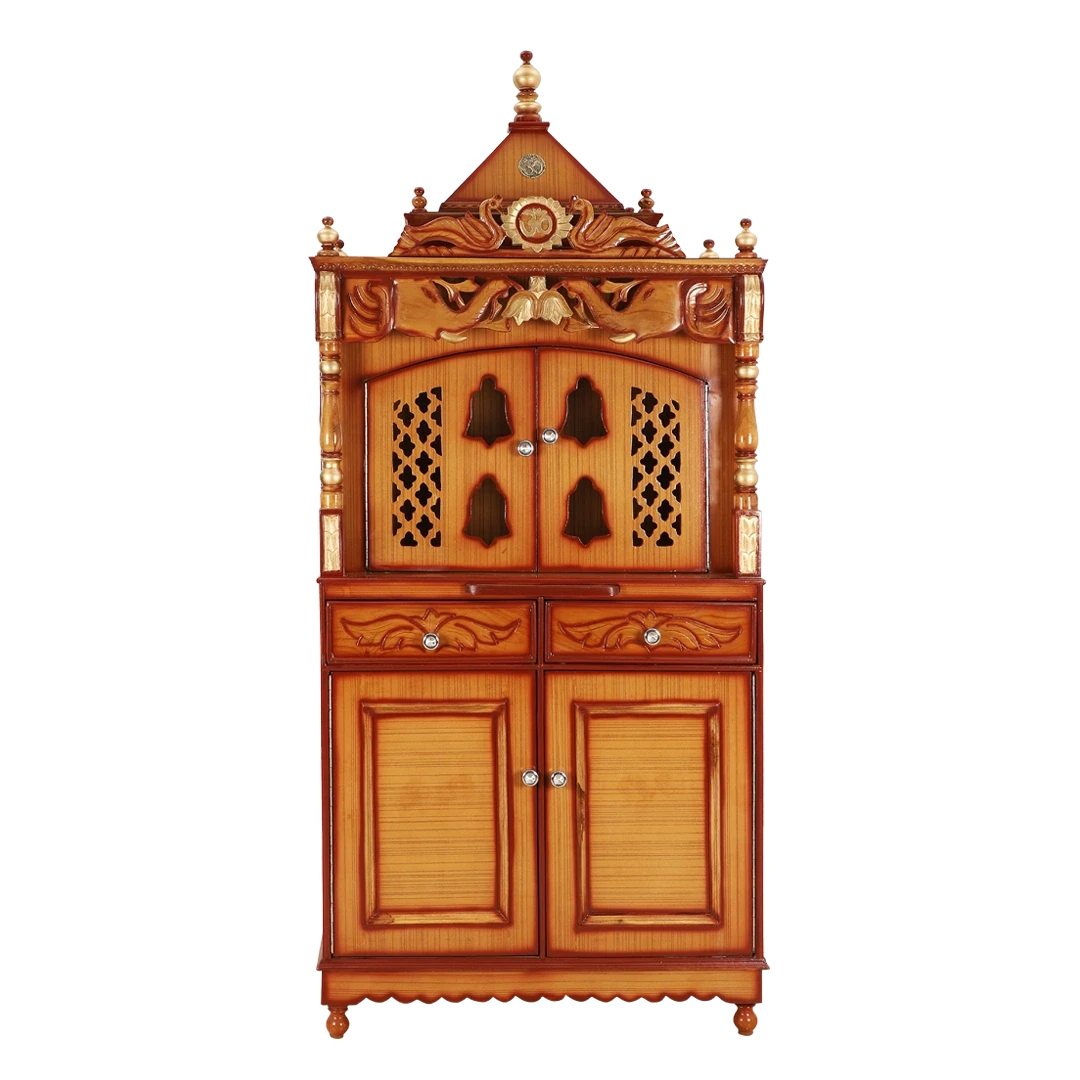
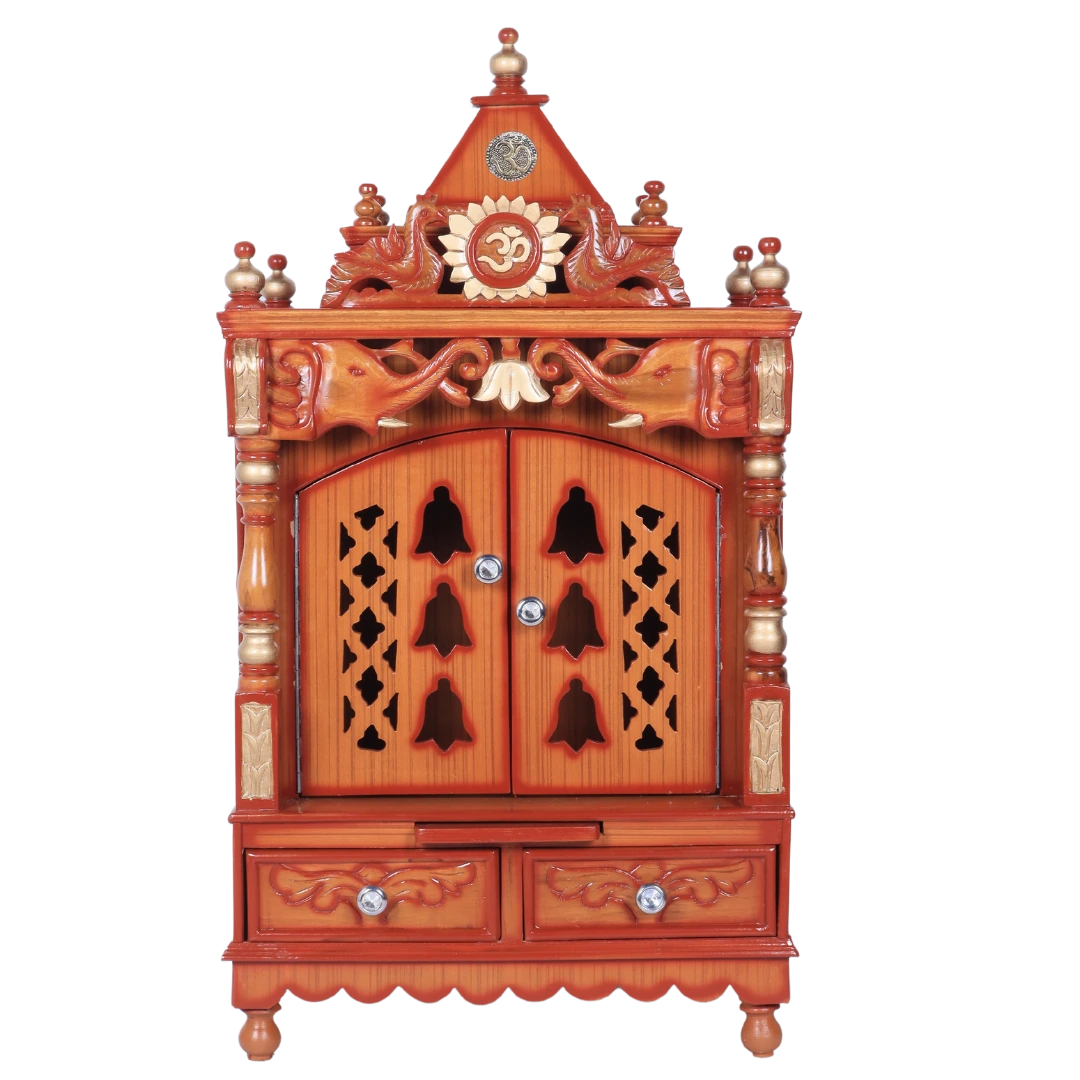
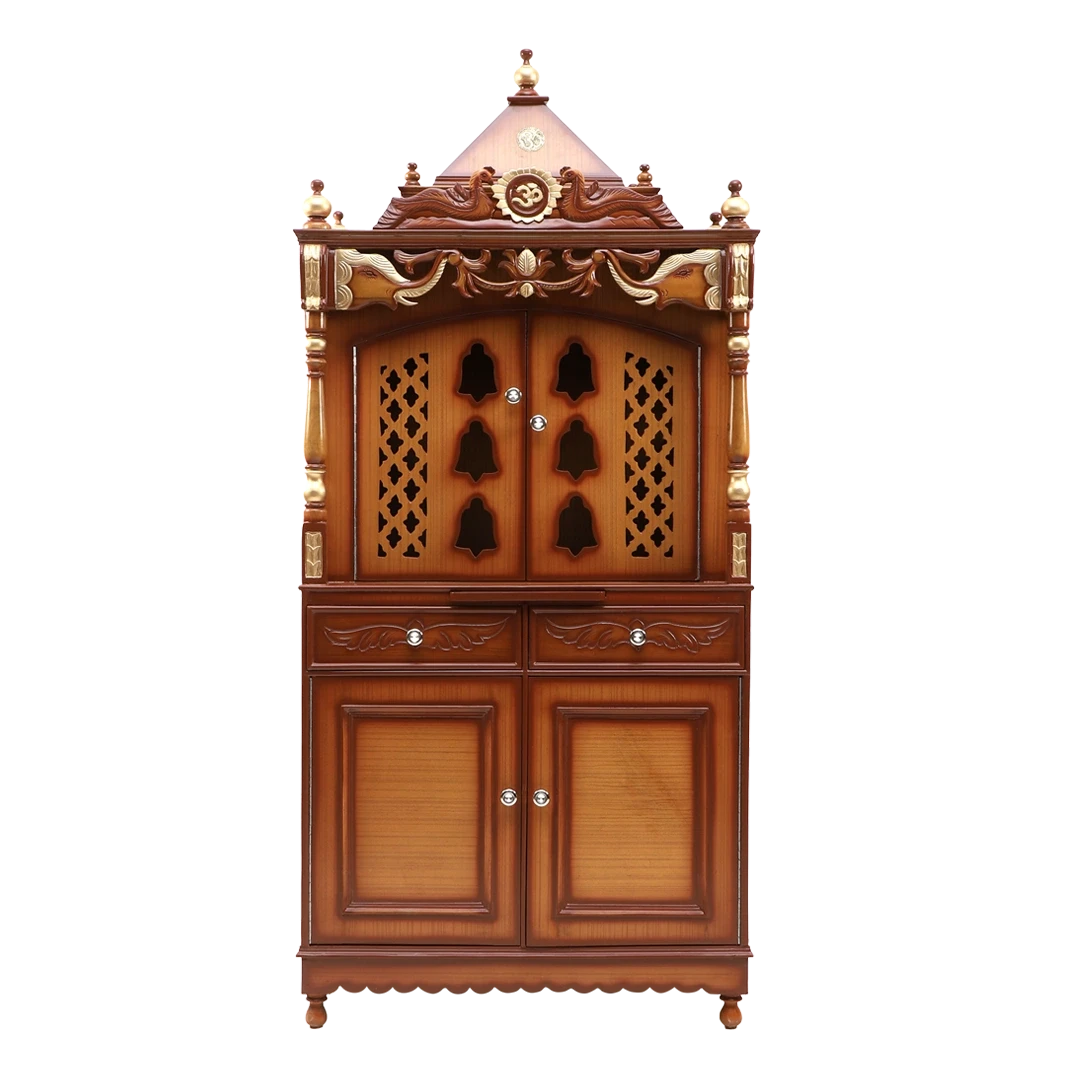
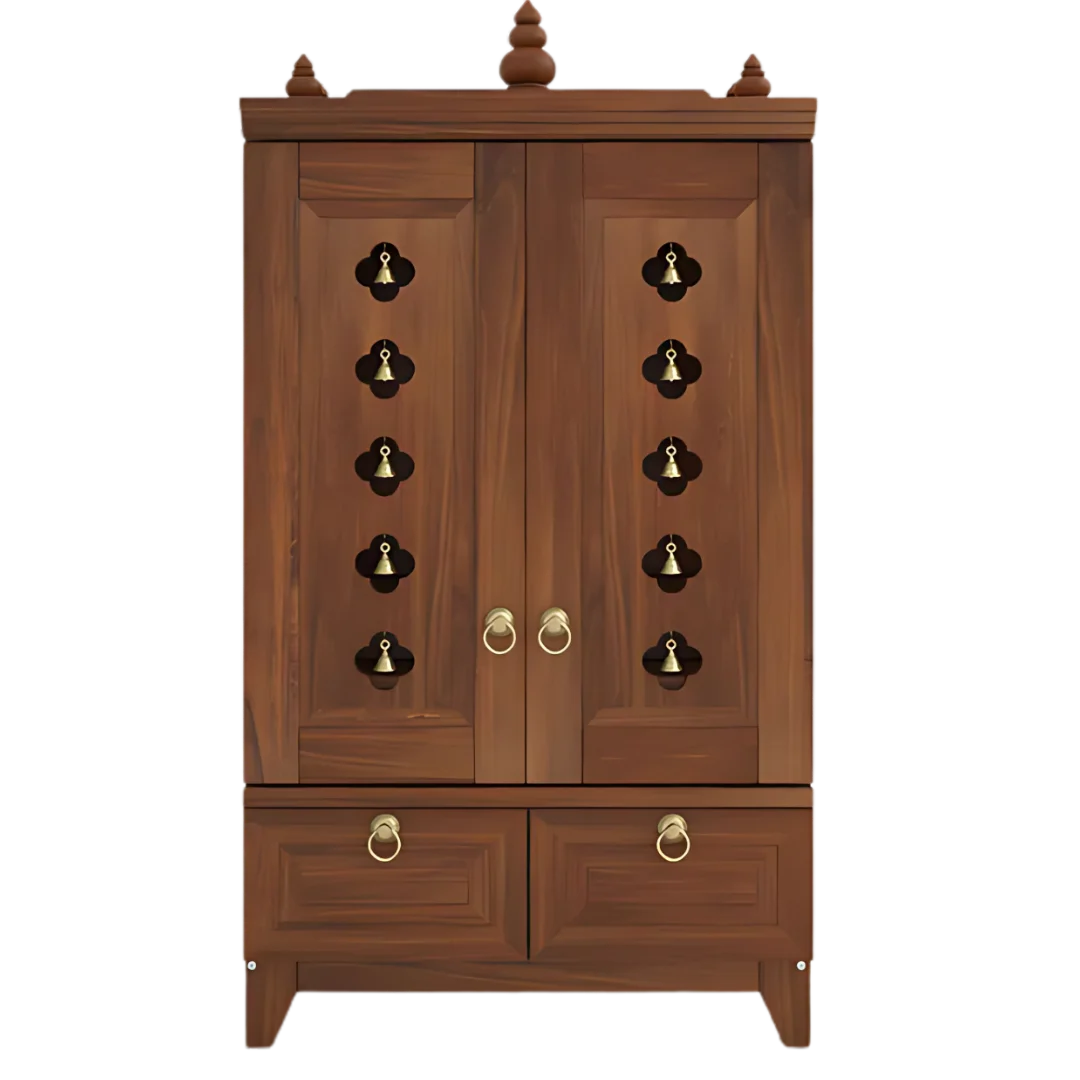
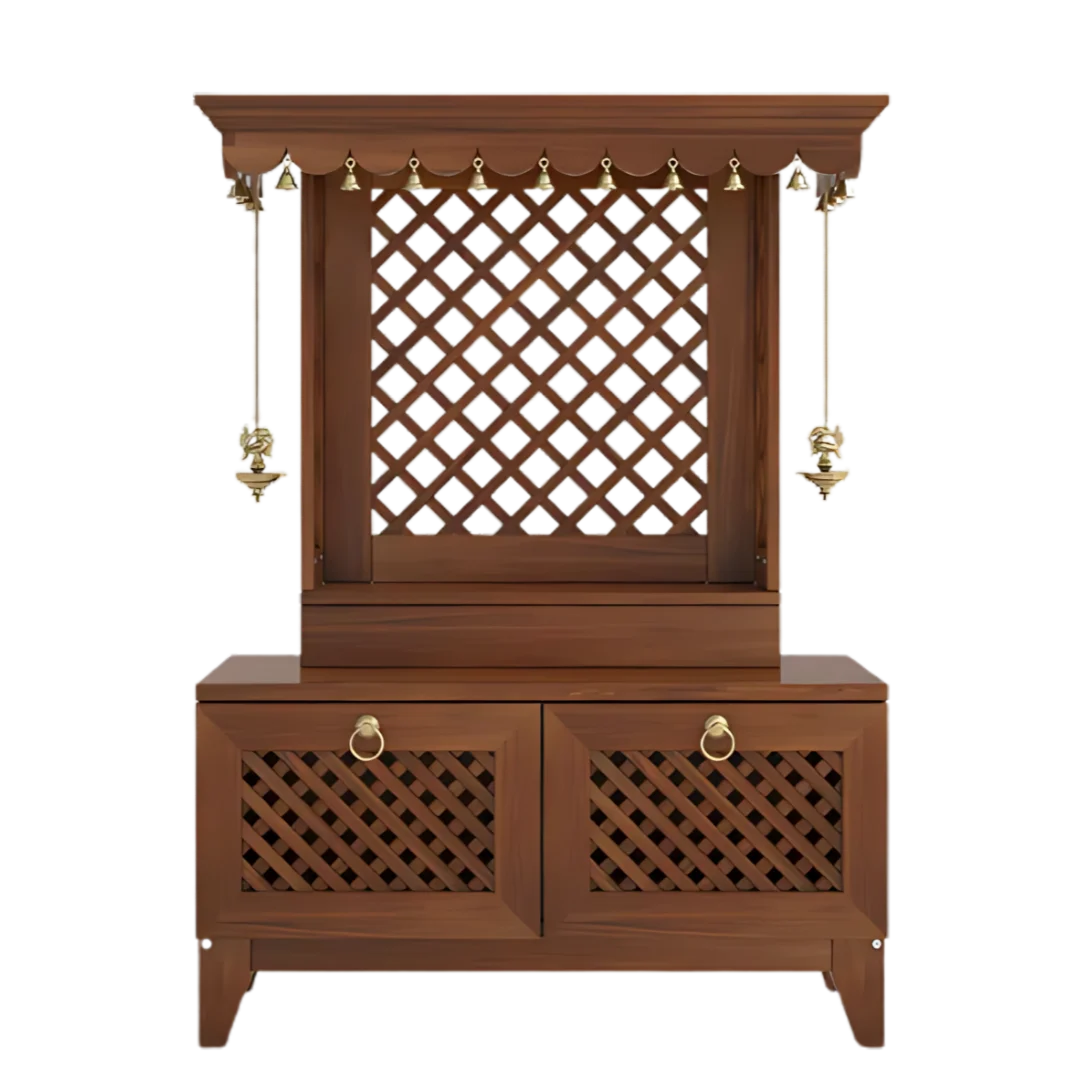
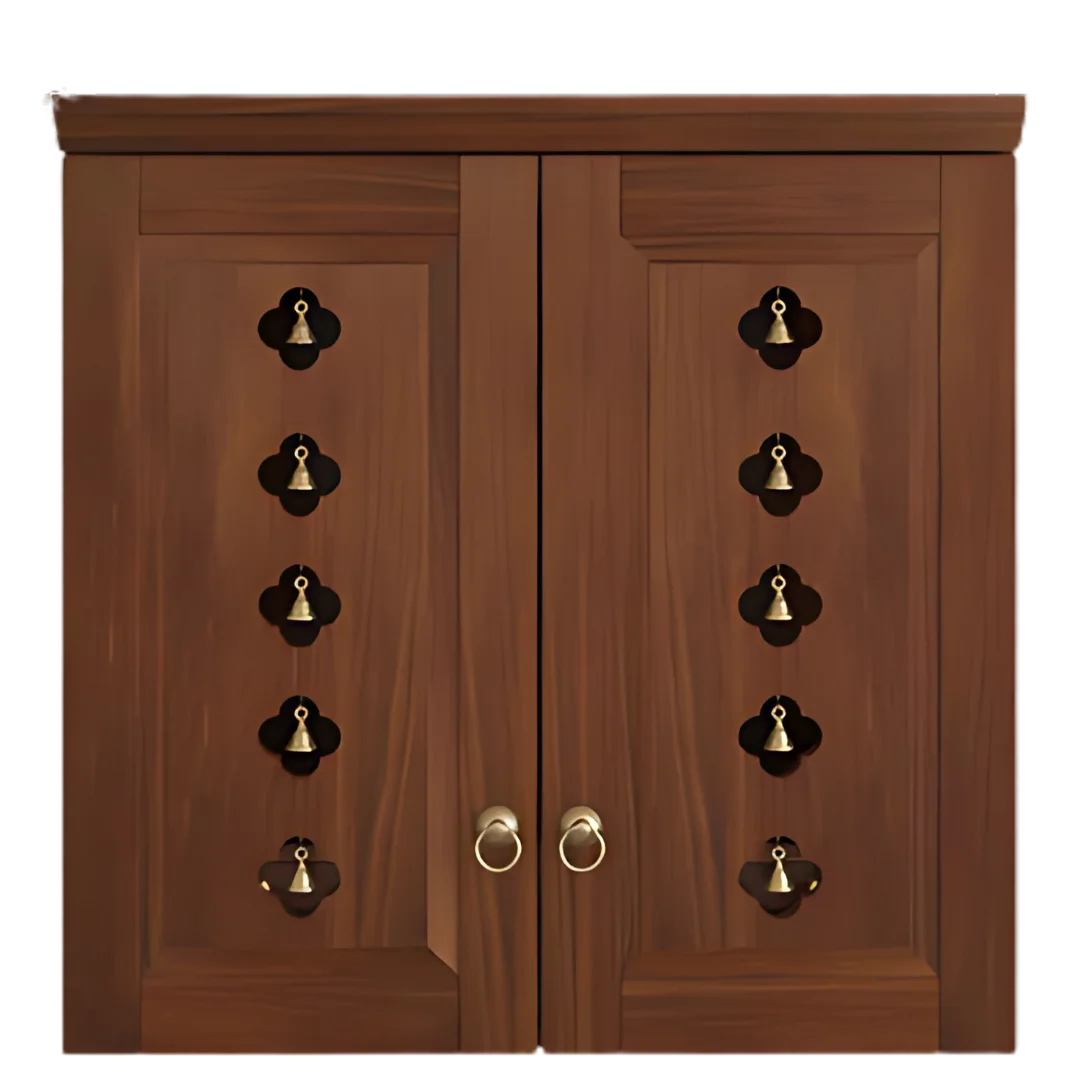
Suramya Floor Rested Pooja Mandap with Door (Brown Gold)
| Sold 128 Pcs | 12 Months Warranty 12 Warr. 12 W 12 Months Warranty₹ 39,990₹ 50,500(21% off)EMI start from ₹ 13,330/month EMI start from ₹ 13,330/MDeal ₹ 35,991 
-
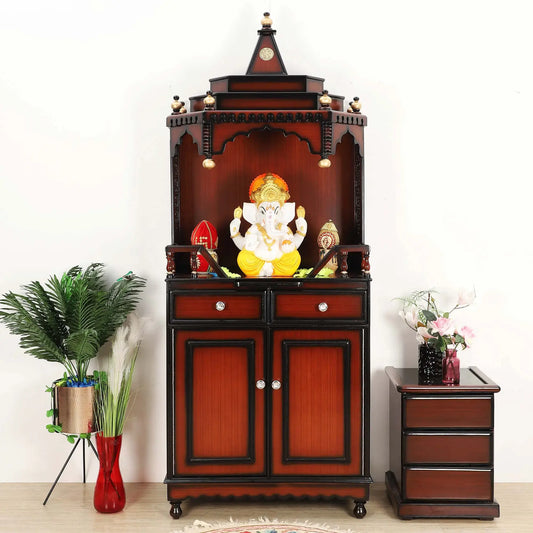
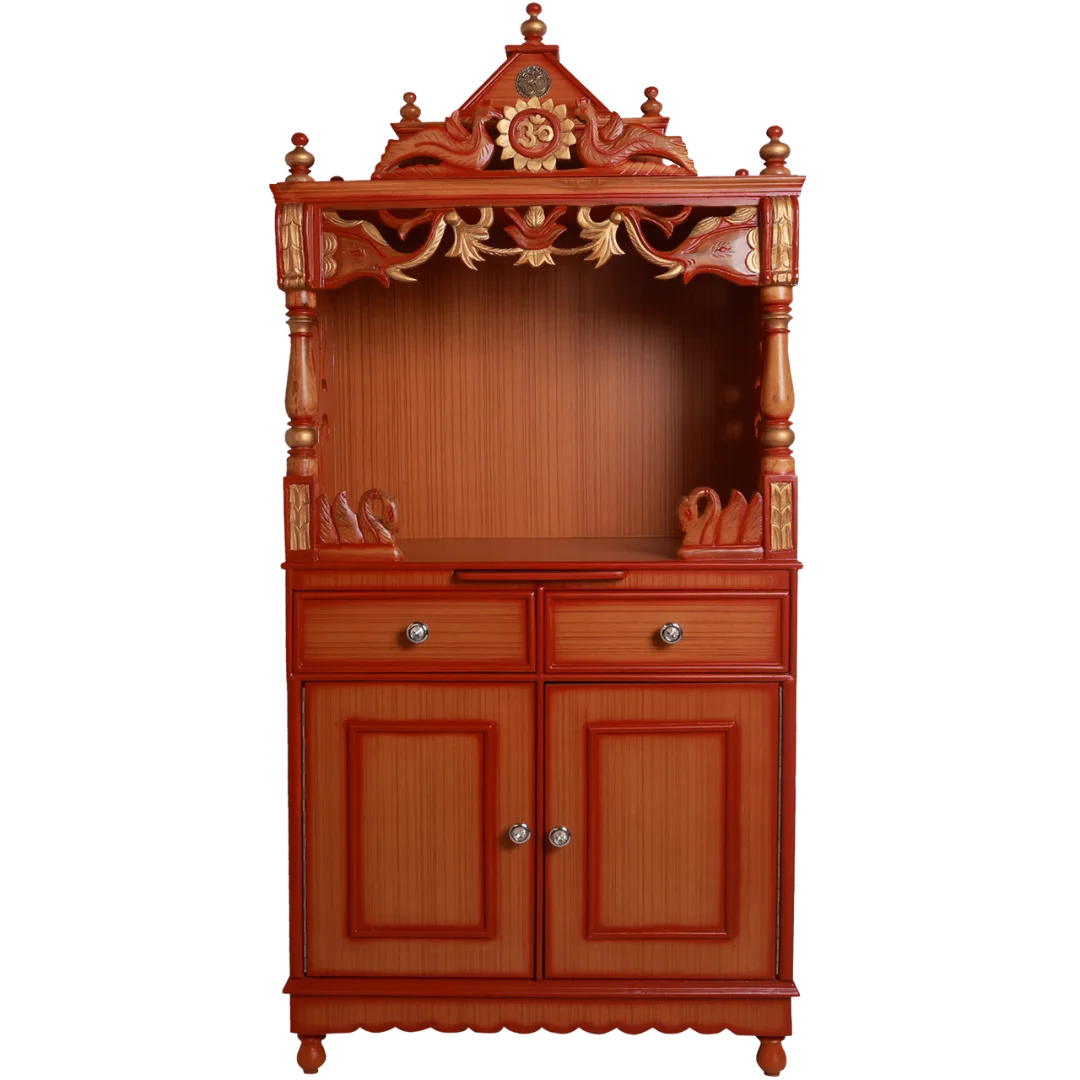
Brahma Kostha Large Floor Rested Pooja Mandap (Brown Gold)
| Sold 64 Pcs | 12 Months Warranty 12 Warr. 12 W 12 Months Warranty₹ 34,990₹ 60,500(42% off)EMI start from ₹ 11,663/month EMI start from ₹ 11,663/MDeal ₹ 31,491 -
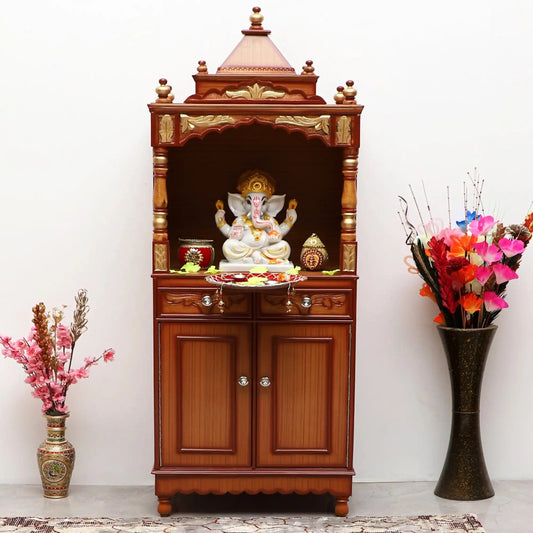
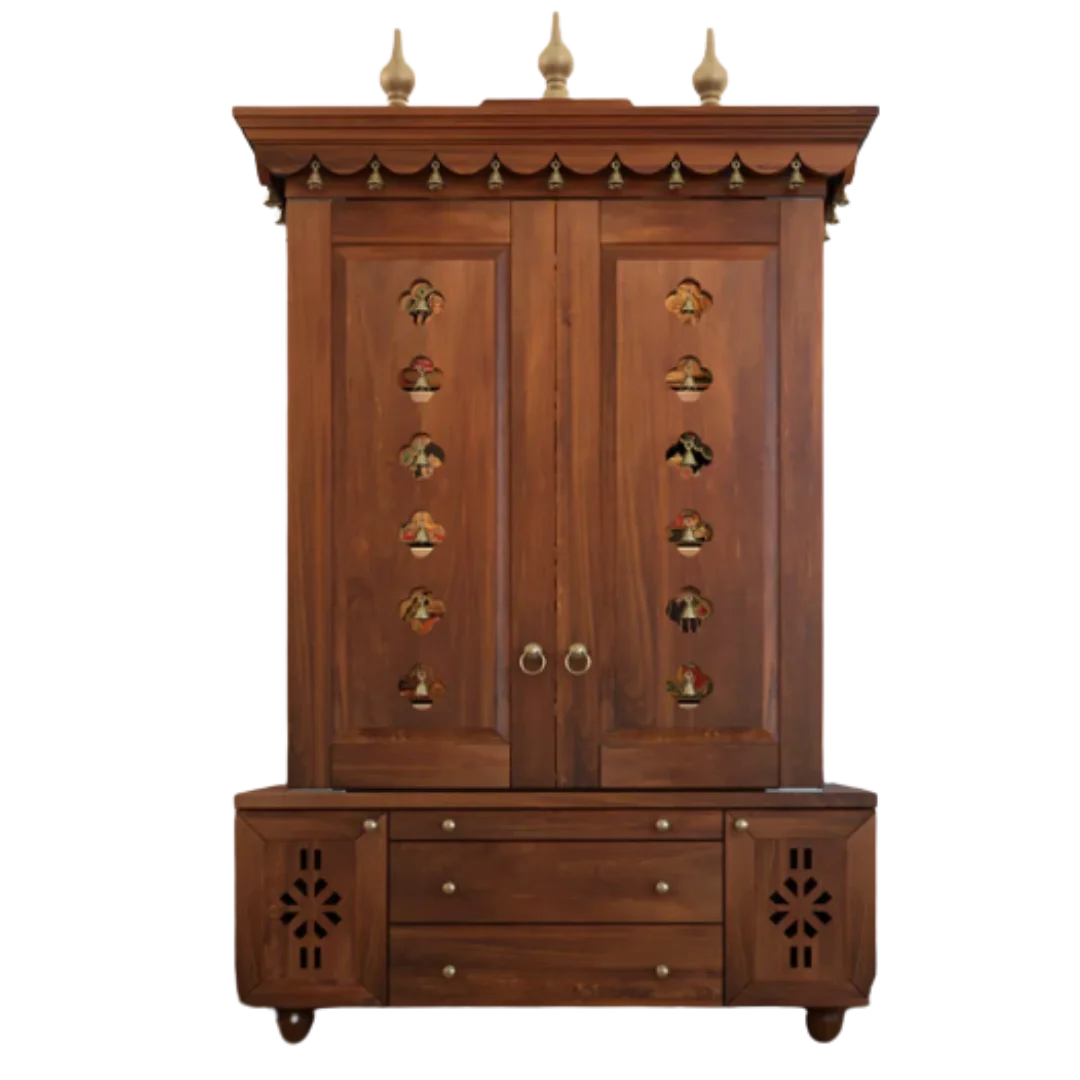
Suramya Floor Rested Pooja Mandap (Teak)
| Sold 148 Pcs | 12 Months Warranty 12 Warr. 12 W 12 Months Warranty₹ 39,990₹ 48,500(18% off)EMI start from ₹ 13,330/month EMI start from ₹ 13,330/MDeal ₹ 35,991 -
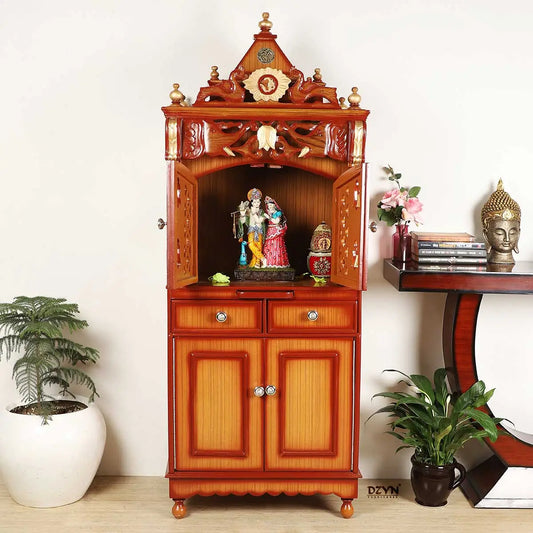
Kutustha Floor Rested Pooja Mandap with Door (Teak Gold)
| Sold 132 Pcs | 12 Months Warranty 12 Warr. 12 W 12 Months Warranty₹ 37,990₹ 56,500(33% off)EMI start from ₹ 12,663/month EMI start from ₹ 12,663/MDeal ₹ 34,191 -
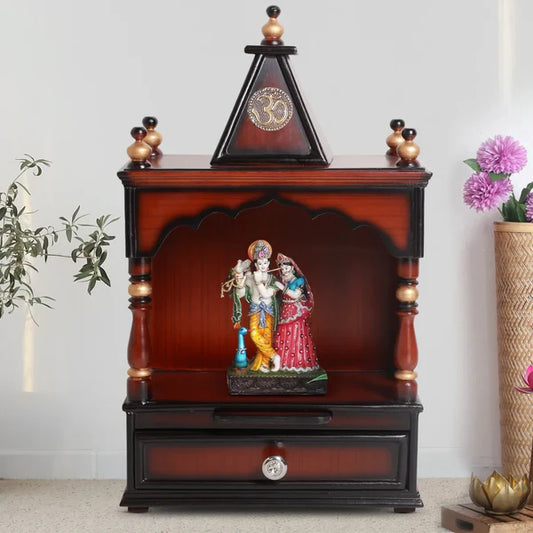
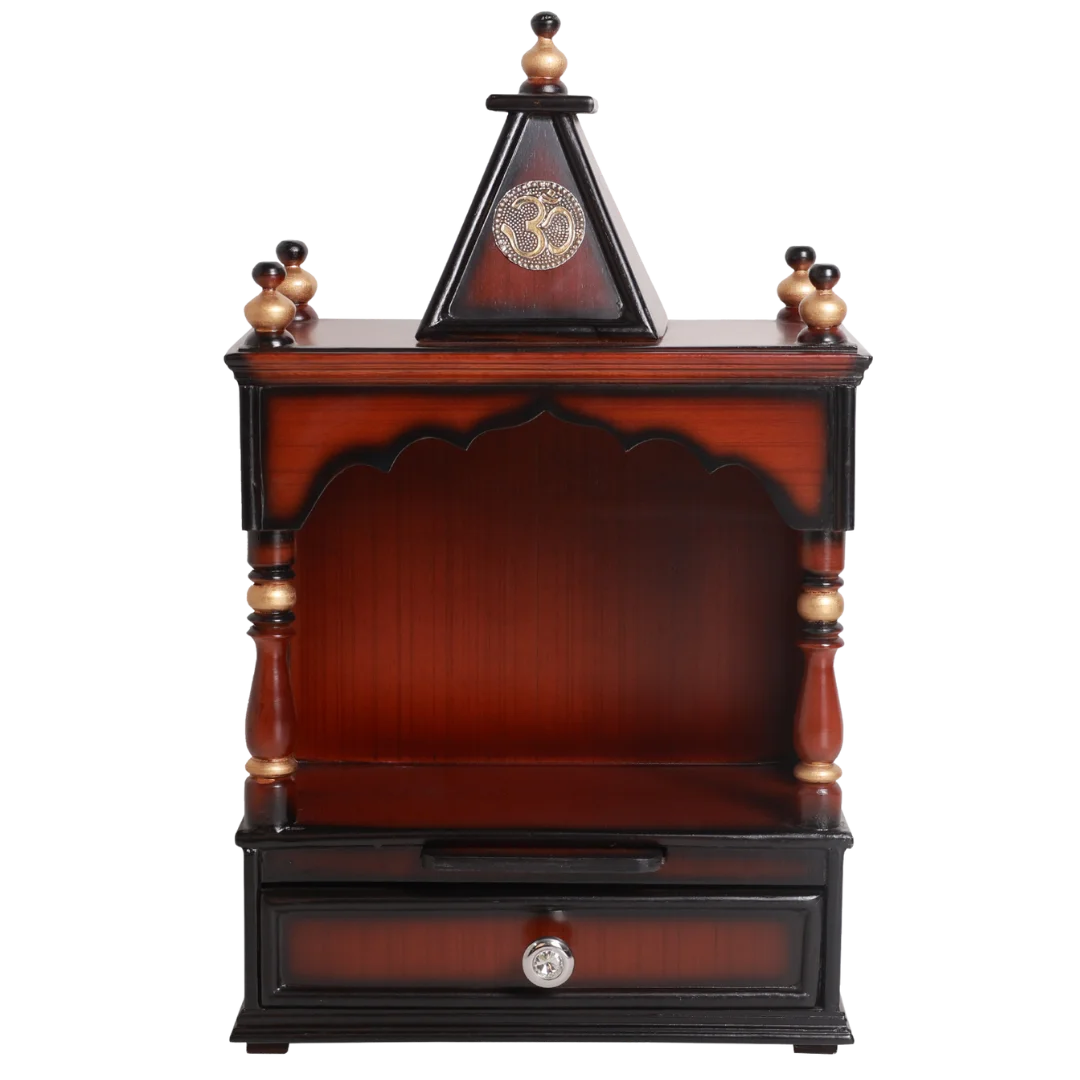
Alaya Wall Mount Pooja Mandir without Door (Brown Gold)
| Sold 151 Pcs | 12 Months Warranty 12 Warr. 12 W 12 Months Warranty₹ 3,999₹ 7,000(43% off)EMI start from ₹ 1,333/month EMI start from ₹ 1,333/MDeal ₹ 3,599 -

Devakriti Teak Wood Pooja Mandir With Doors (White)
| Sold 122 Pcs | 12 Months Warranty 12 Warr. 12 W 12 Months Warranty₹ 56,990₹ 85,000(33% off)EMI start from ₹ 18,997/month EMI start from ₹ 18,997/MDeal ₹ 51,291 -
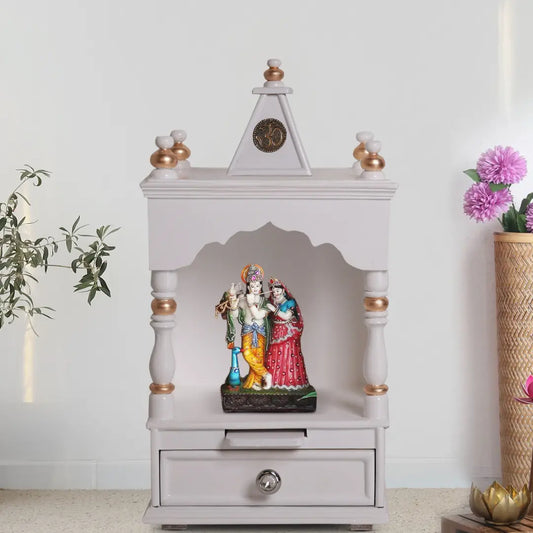
Sphatika Wall Mount Pooja Mandir without Door (White Gold)
| Sold 149 Pcs | 12 Months Warranty 12 Warr. 12 W 12 Months Warranty₹ 3,999₹ 5,000(20% off)EMI start from ₹ 1,333/month EMI start from ₹ 1,333/MDeal ₹ 3,599 -
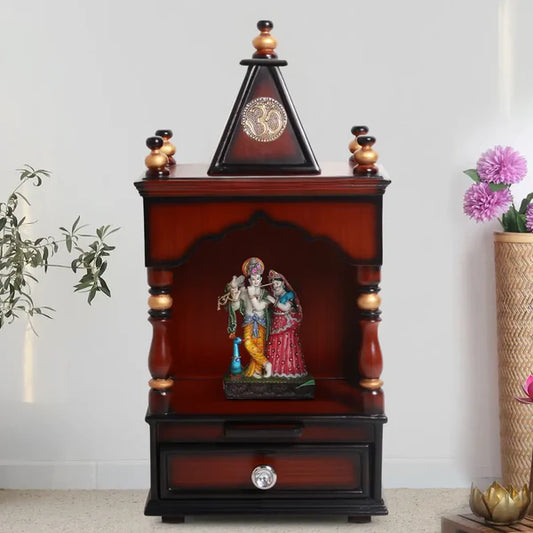
Satvika Wall Mount Pooja Mandir without Door (Brown Gold)
| Sold 144 Pcs | 12 Months Warranty 12 Warr. 12 W 12 Months Warranty₹ 2,999₹ 5,000(40% off)EMI start from ₹ 1,000/month EMI start from ₹ 1,000/MDeal ₹ 2,699 -
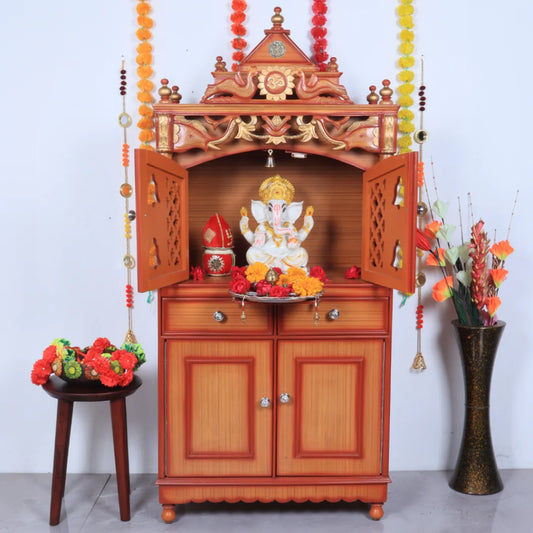
Vedashraya Floor Rested Pooja Mandap with Door (Teak Gold)
| Sold 144 Pcs | 12 Months Warranty 12 Warr. 12 W 12 Months Warranty₹ 37,990₹ 63,500(40% off)EMI start from ₹ 12,663/month EMI start from ₹ 12,663/MDeal ₹ 34,191 -
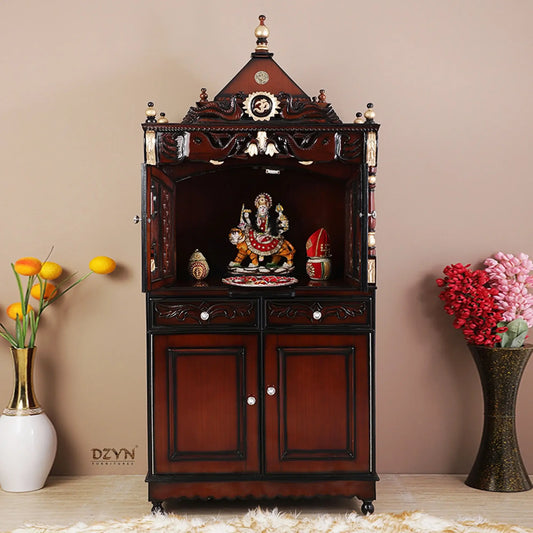
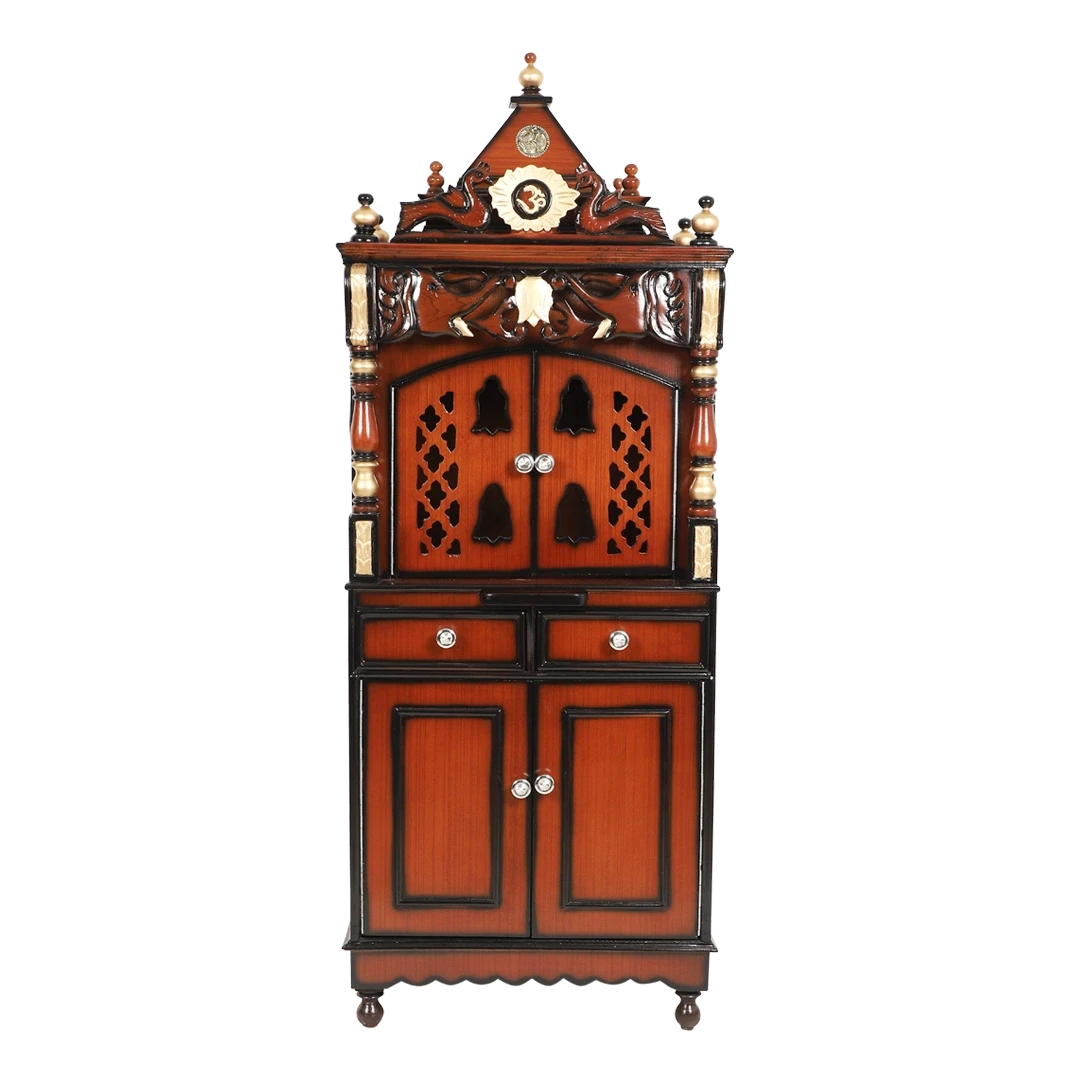
Divine Palace Large Floor Rested Pooja Mandap with Door (Brown Gold)
| Sold 172 Pcs | 12 Months Warranty 12 Warr. 12 W 12 Months Warranty₹ 42,990₹ 66,500(35% off)EMI start from ₹ 14,330/month EMI start from ₹ 14,330/MDeal ₹ 38,691 -
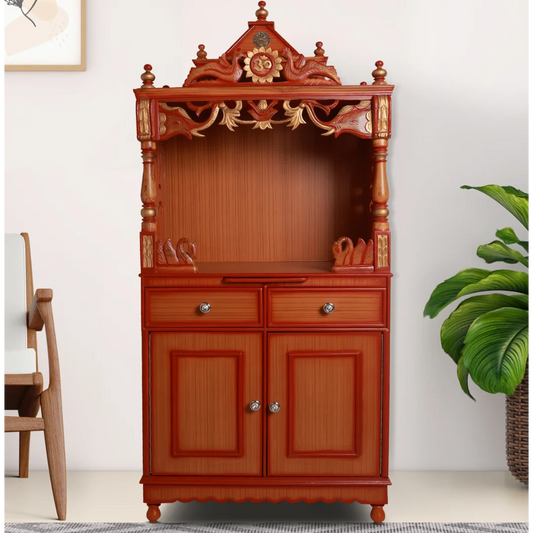
Vedashraya Floor Rested Pooja Mandap without Door (Teak Gold)
| Sold 143 Pcs | 12 Months Warranty 12 Warr. 12 W 12 Months Warranty₹ 36,990₹ 61,500(40% off)EMI start from ₹ 12,330/month EMI start from ₹ 12,330/MDeal ₹ 33,291 -
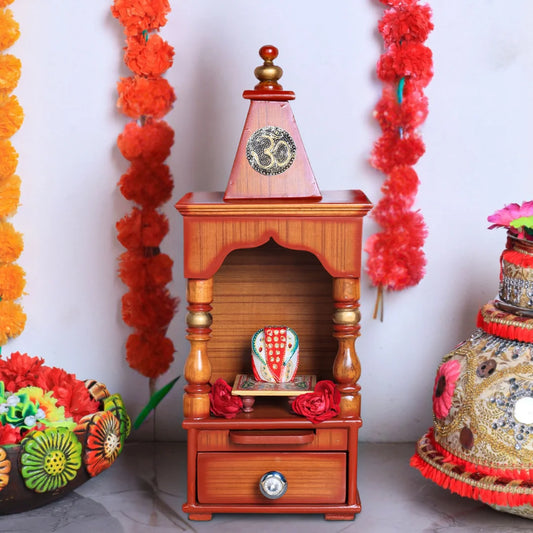
Aradhya Wall Mount Pooja Mandir (Teak Gold)
| Sold 125 Pcs | 12 Months Warranty 12 Warr. 12 W 12 Months Warranty₹ 2,499₹ 3,500(29% off)EMI start from ₹ 833/month EMI start from ₹ 833/MDeal ₹ 2,249 -

Devayan Teak Wood Pooja Mandir With Doors (Teak)
| Sold 113 Pcs | 12 Months Warranty 12 Warr. 12 W 12 Months Warranty₹ 94,990₹ 130,000(27% off)EMI start from ₹ 31,663/month EMI start from ₹ 31,663/MDeal ₹ 85,491 -
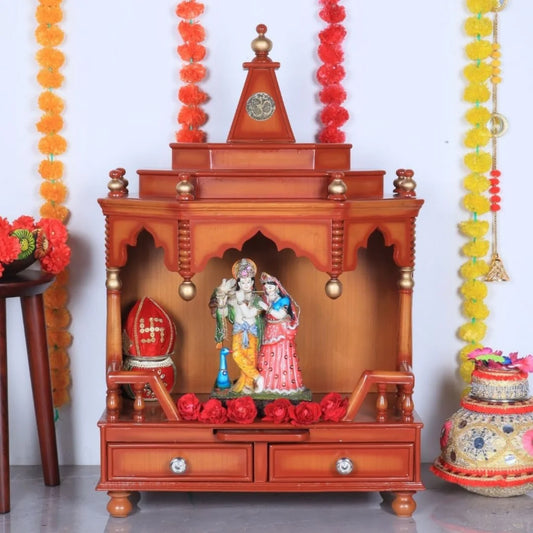
Brahma Shray Floor Rested Pooja Mandir without Door (Teak Gold)
| Sold 127 Pcs | 12 Months Warranty 12 Warr. 12 W 12 Months Warranty₹ 9,890₹ 20,000(51% off)EMI start from ₹ 3,297/month EMI start from ₹ 3,297/MDeal ₹ 8,901 -
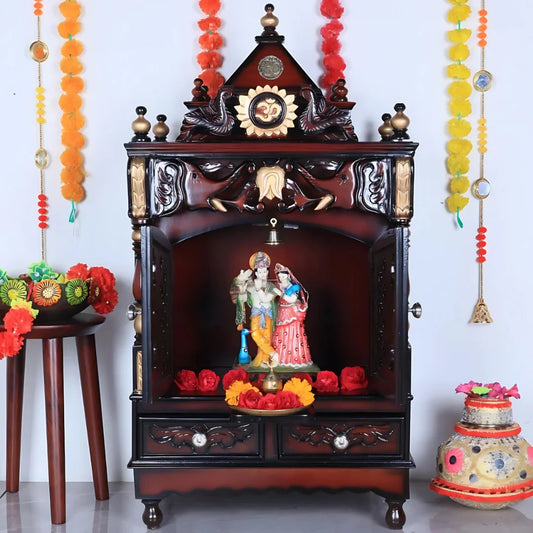
Divya Nivas Medium Floor Rested Pooja Mandir with Door (Brown Gold)
| Sold 123 Pcs | 12 Months Warranty 12 Warr. 12 W 12 Months Warranty₹ 20,990₹ 30,500(31% off)EMI start from ₹ 6,997/month EMI start from ₹ 6,997/MDeal ₹ 18,891 -
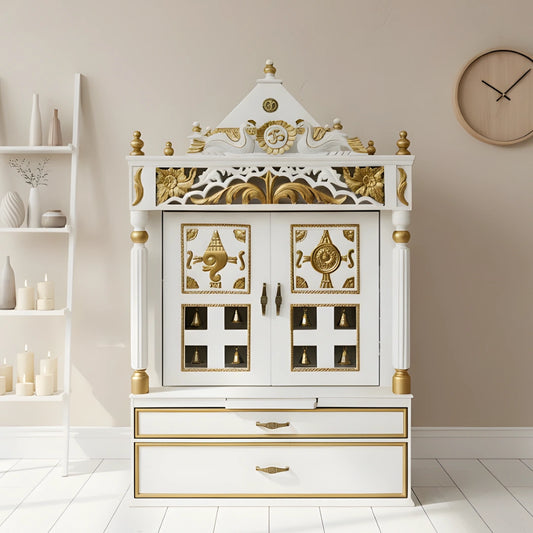
Prabhava Floor Rested Pooja Mandir with Door (White Gold)
| Sold 110 Pcs | 12 Months Warranty 12 Warr. 12 W 12 Months Warranty₹ 59,990₹ 75,000(20% off)EMI start from ₹ 19,997/month EMI start from ₹ 19,997/MDeal ₹ 53,991 -

Anandam Teak Wood Pooja Mandap with Door (Brown)
| Sold 115 Pcs | 12 Months Warranty 12 Warr. 12 W 12 Months Warranty₹ 74,990₹ 105,000(29% off)EMI start from ₹ 24,997/month EMI start from ₹ 24,997/MDeal ₹ 67,491 -
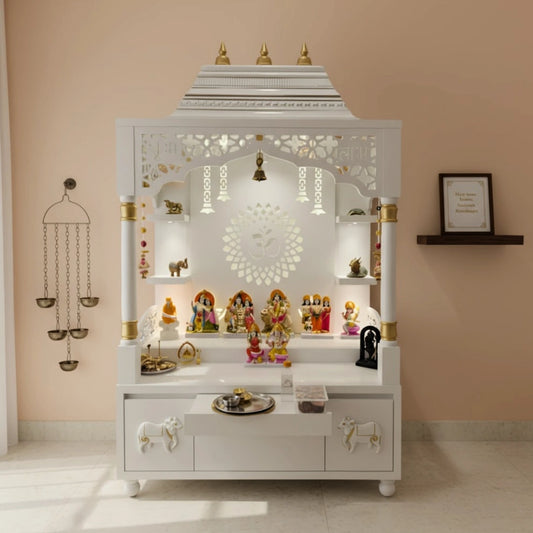
Saarthaka Wooden Pooja Mandap (White Gold)
| Sold 131 Pcs | 12 Months Warranty 12 Warr. 12 W 12 Months Warranty₹ 53,990₹ 70,500(23% off)EMI start from ₹ 17,997/month EMI start from ₹ 17,997/MDeal ₹ 48,591 -
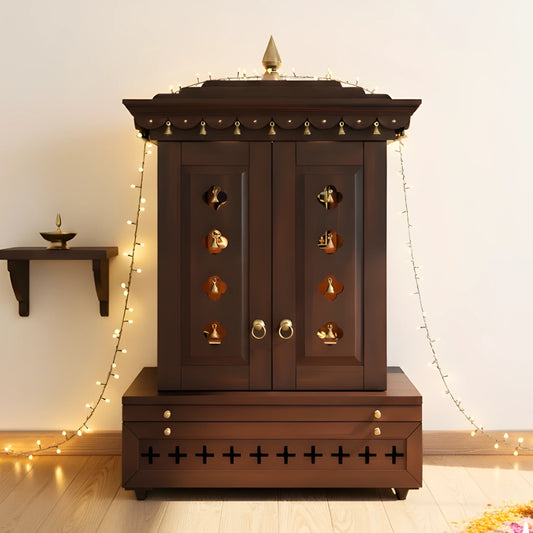
Adhir Teak Wood Pooja Mandap with Door (Wenge)
| Sold 124 Pcs | 12 Months Warranty 12 Warr. 12 W 12 Months Warranty₹ 48,990₹ 68,500(28% off)EMI start from ₹ 16,330/month EMI start from ₹ 16,330/MDeal ₹ 44,091 -
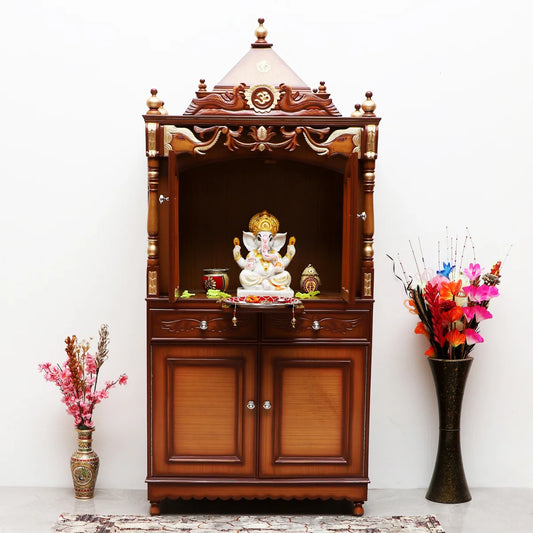
Divya Dham Large Floor Rested Pooja Mandap with Door (Teak Gold)
| Sold 112 Pcs | 12 Months Warranty 12 Warr. 12 W 12 Months Warranty₹ 44,990₹ 70,500(36% off)EMI start from ₹ 14,997/month EMI start from ₹ 14,997/MDeal ₹ 40,491 -
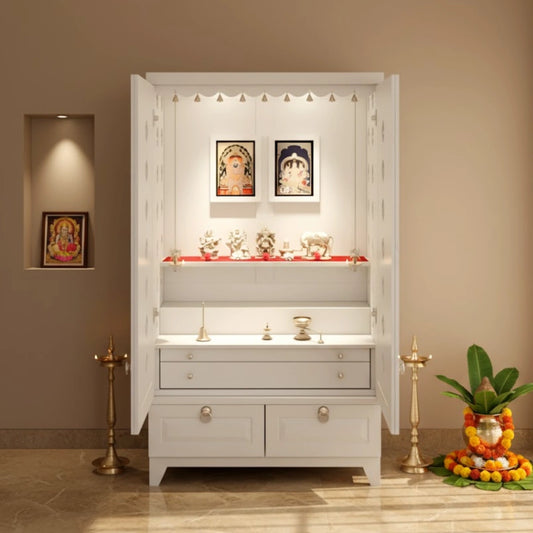
Bheema Teak Wood Pooja Mandap with Door (White)
| Sold 125 Pcs | 12 Months Warranty 12 Warr. 12 W 12 Months Warranty₹ 69,990₹ 120,000(42% off)EMI start from ₹ 23,330/month EMI start from ₹ 23,330/MDeal ₹ 62,991 -

Rudralaya Teak Wood Pooja Mandap (White)
| Sold 145 Pcs | 12 Months Warranty 12 Warr. 12 W 12 Months Warranty₹ 58,990₹ 68,000(13% off)EMI start from ₹ 19,663/month EMI start from ₹ 19,663/MDeal ₹ 53,091 -

Eshvara Teak Wood Pooja Mandap with Door (White)
| Sold 123 Pcs | 12 Months Warranty 12 Warr. 12 W 12 Months Warranty₹ 52,990₹ 70,500(25% off)EMI start from ₹ 17,663/month EMI start from ₹ 17,663/MDeal ₹ 47,691 -
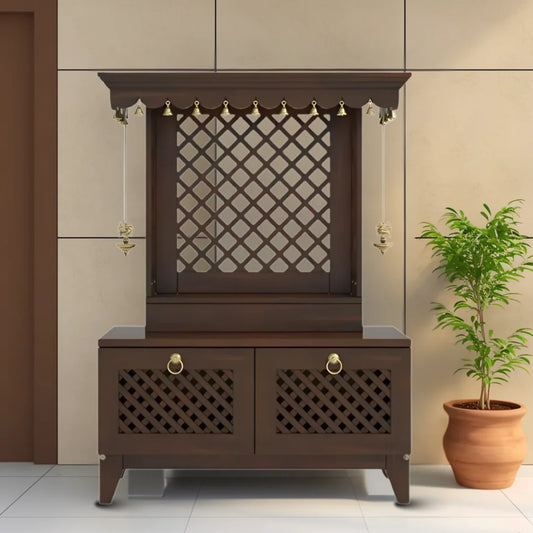
Pravaha Teak Wood Mandir (Wenge)
| Sold 119 Pcs | 12 Months Warranty 12 Warr. 12 W 12 Months Warranty₹ 41,990₹ 65,500(36% off)EMI start from ₹ 13,997/month EMI start from ₹ 13,997/MDeal ₹ 37,791 -
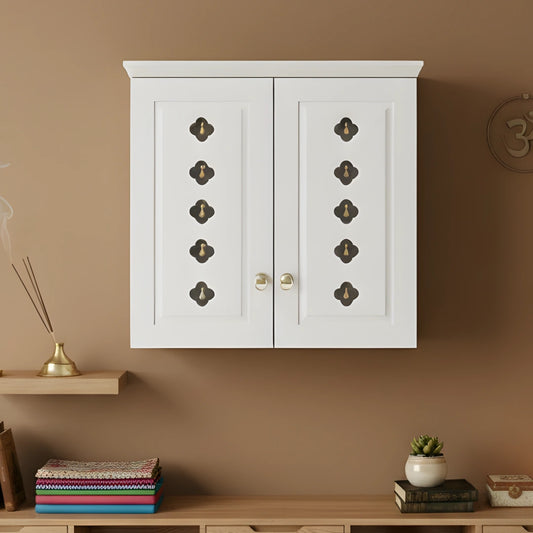
Barvya Pooja Mandir with Door (White)
| Sold 123 Pcs | 12 Months Warranty 12 Warr. 12 W 12 Months Warranty₹ 34,990₹ 50,500(31% off)EMI start from ₹ 11,663/month EMI start from ₹ 11,663/MDeal ₹ 31,491 -
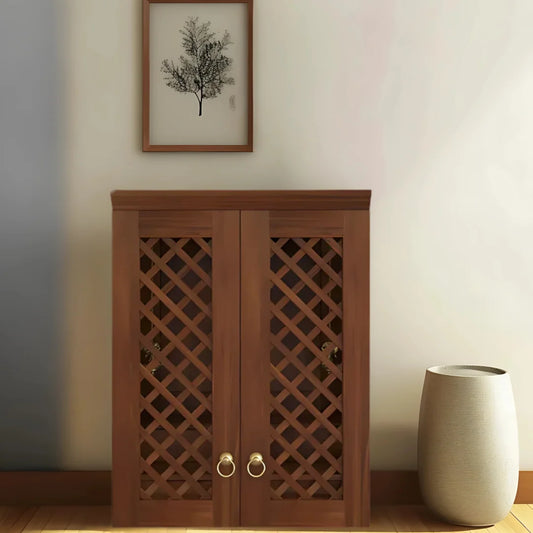
Vedic Sthana Pooja Mandir with Door (Teak)
| Sold 122 Pcs | 12 Months Warranty 12 Warr. 12 W 12 Months Warranty₹ 34,990₹ 65,000(46% off)EMI start from ₹ 11,663/month EMI start from ₹ 11,663/MDeal ₹ 31,491 -

Padmadvara Teak Wood Mandap (Teak)
| Sold 122 Pcs | 12 Months Warranty 12 Warr. 12 W 12 Months Warranty₹ 194,000₹ 260,000(25% off)EMI start from ₹ 64,667/month EMI start from ₹ 64,667/MDeal ₹ 174,600 -

Smaran Teak Wood Pooja Mandir With Doors (Teak)
| Sold 122 Pcs | 12 Months Warranty 12 Warr. 12 W 12 Months Warranty₹ 89,990₹ 145,000(38% off)EMI start from ₹ 29,997/month EMI start from ₹ 29,997/MDeal ₹ 80,991 -
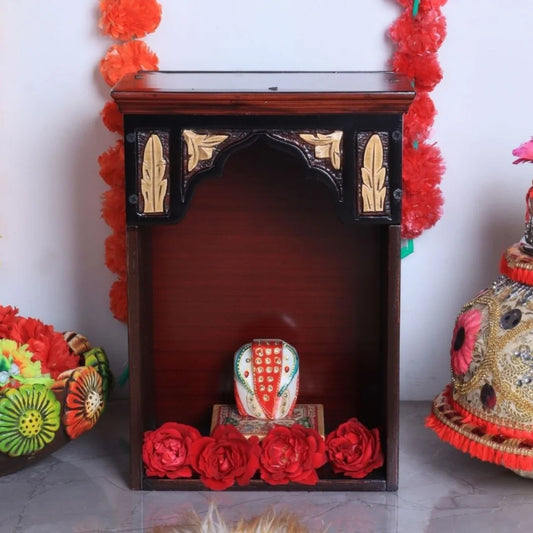
Sattva Teak Wood Pooja Mandir (Brown Gold)
| Sold 119 Pcs | 12 Months Warranty 12 Warr. 12 W 12 Months Warranty₹ 1,999₹ 3,000(33% off)EMI start from ₹ 666/month EMI start from ₹ 666/MDeal ₹ 1,799 -

Pujadwar Teak Wood Pooja Mandap With Doors (Teak)
| Sold 130 Pcs | 12 Months Warranty 12 Warr. 12 W 12 Months Warranty₹ 74,990₹ 110,000(32% off)EMI start from ₹ 24,997/month EMI start from ₹ 24,997/MDeal ₹ 67,491 -

Devkosh Teak Wood Mandap (White)
| Sold 133 Pcs | 12 Months Warranty 12 Warr. 12 W 12 Months Warranty₹ 149,000₹ 200,000(26% off)EMI start from ₹ 49,667/month EMI start from ₹ 49,667/MDeal ₹ 134,100 -
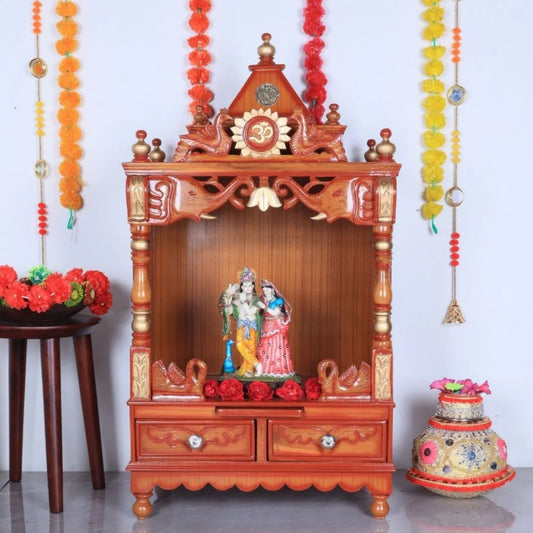
Divya Nivas Medium Floor Rested Pooja Mandir without Door (Teak Gold)
| Sold 120 Pcs | 12 Months Warranty 12 Warr. 12 W 12 Months Warranty₹ 20,990₹ 30,500(31% off)EMI start from ₹ 6,997/month EMI start from ₹ 6,997/MDeal ₹ 18,891 -

Mahashray Teak Wood Pooja Mandap (Teak)
| Sold 136 Pcs | 12 Months Warranty 12 Warr. 12 W 12 Months Warranty₹ 76,990₹ 110,000(30% off)EMI start from ₹ 25,663/month EMI start from ₹ 25,663/MDeal ₹ 69,291

























Scroll to top
